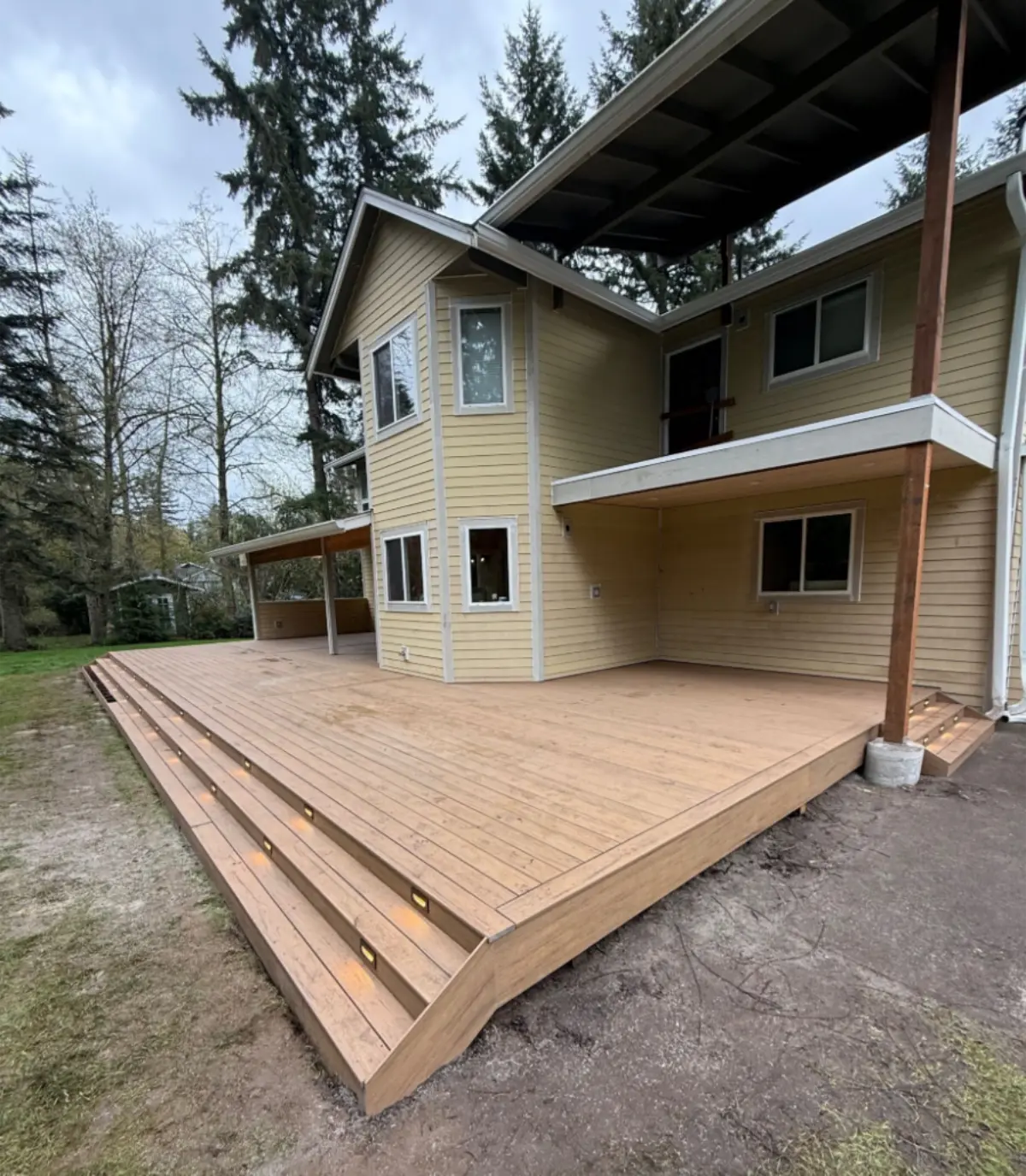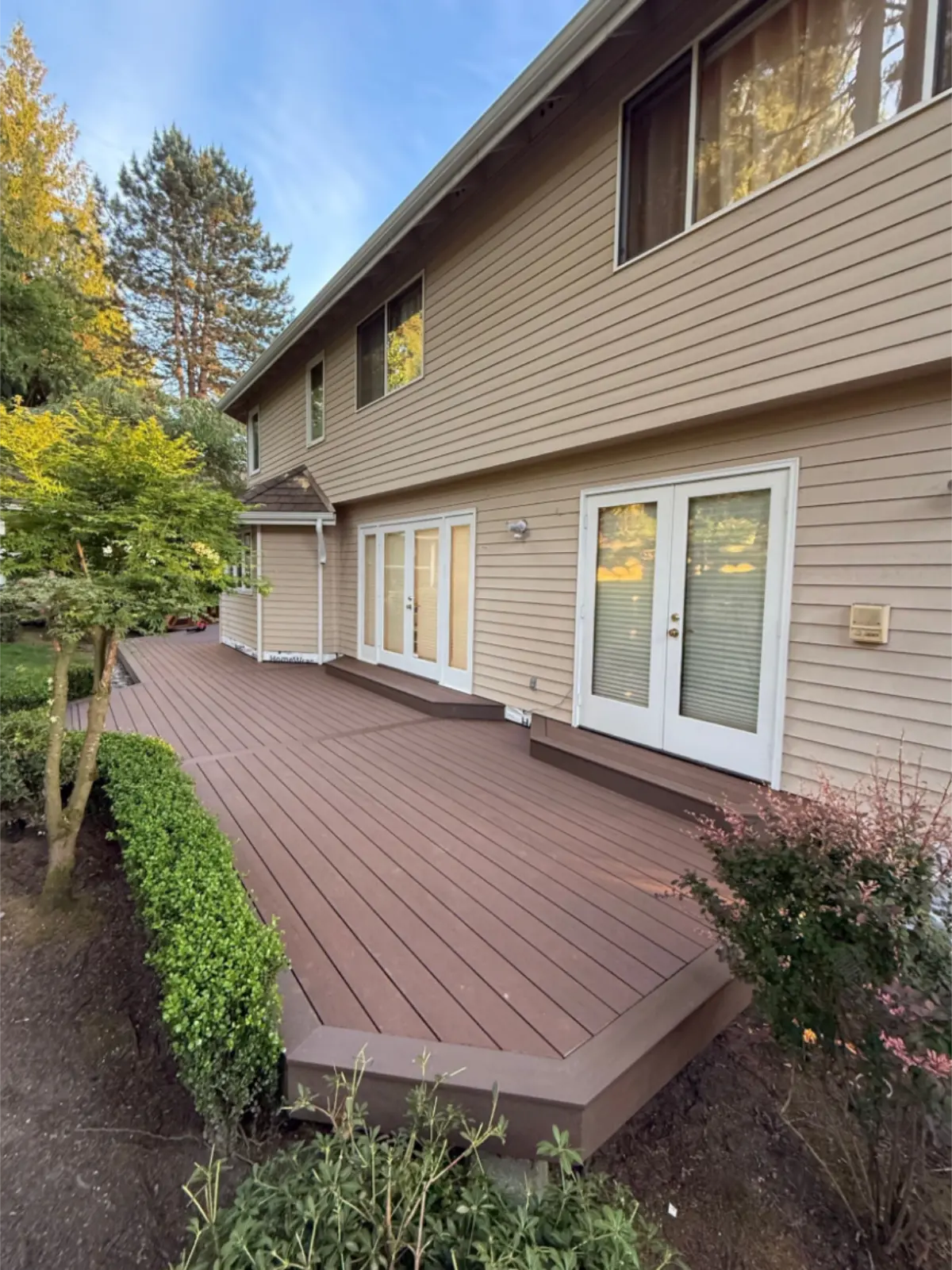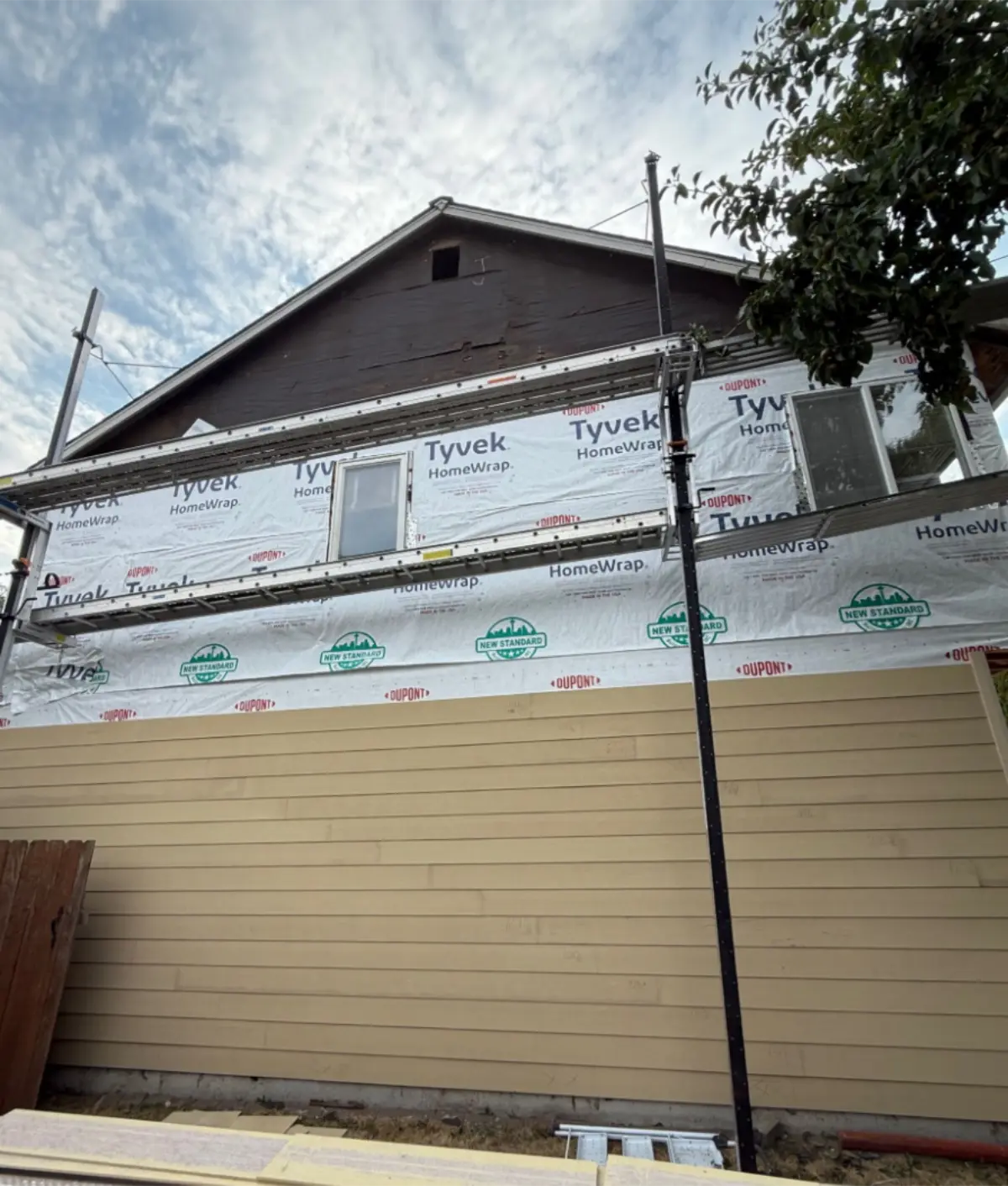
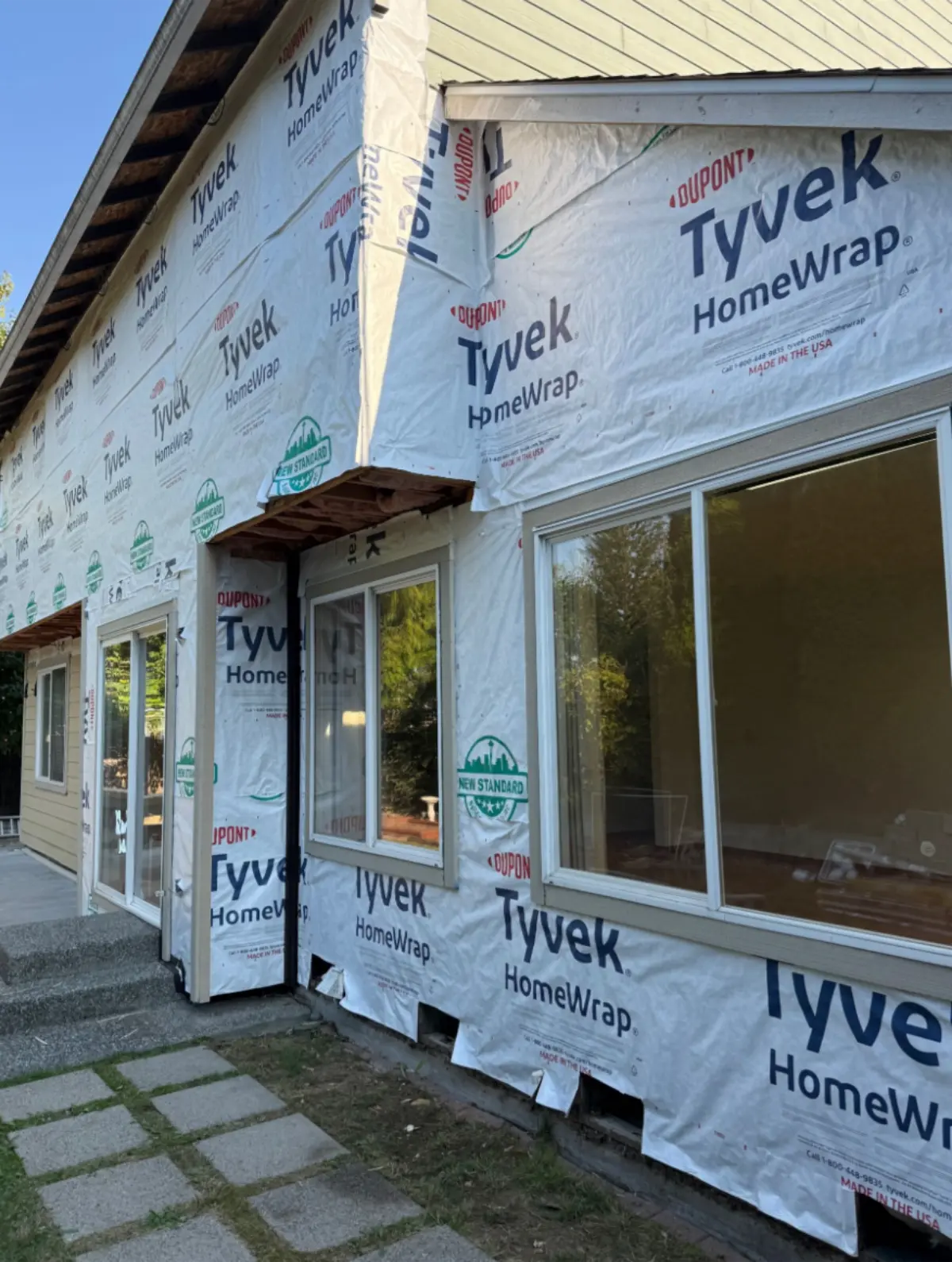
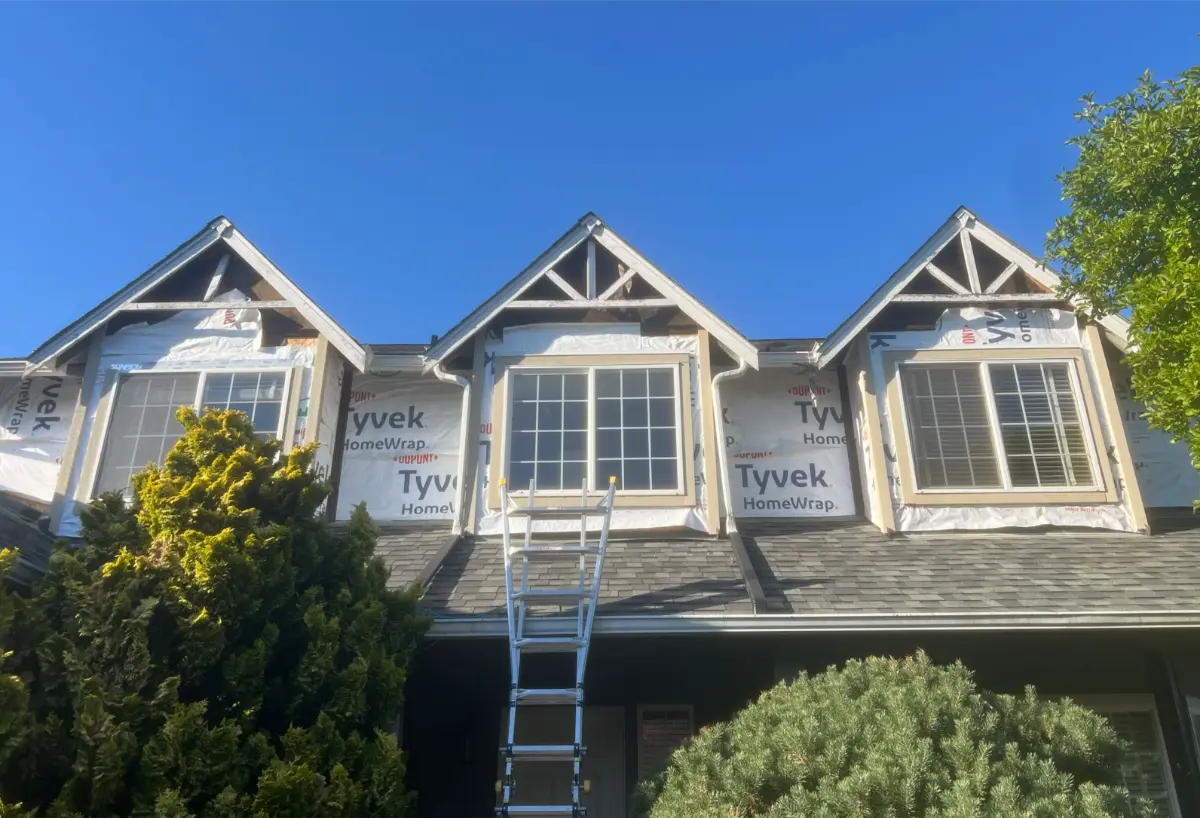
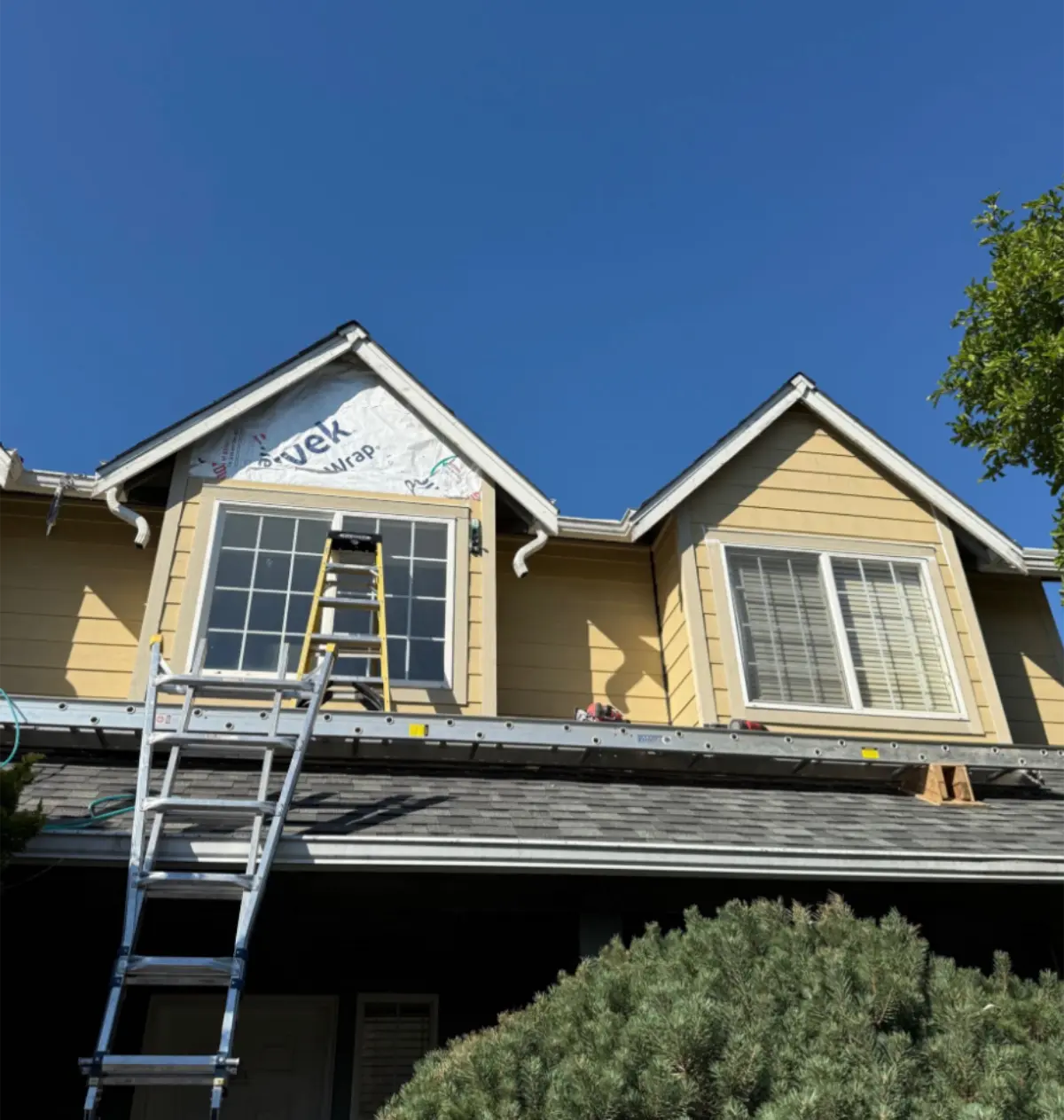
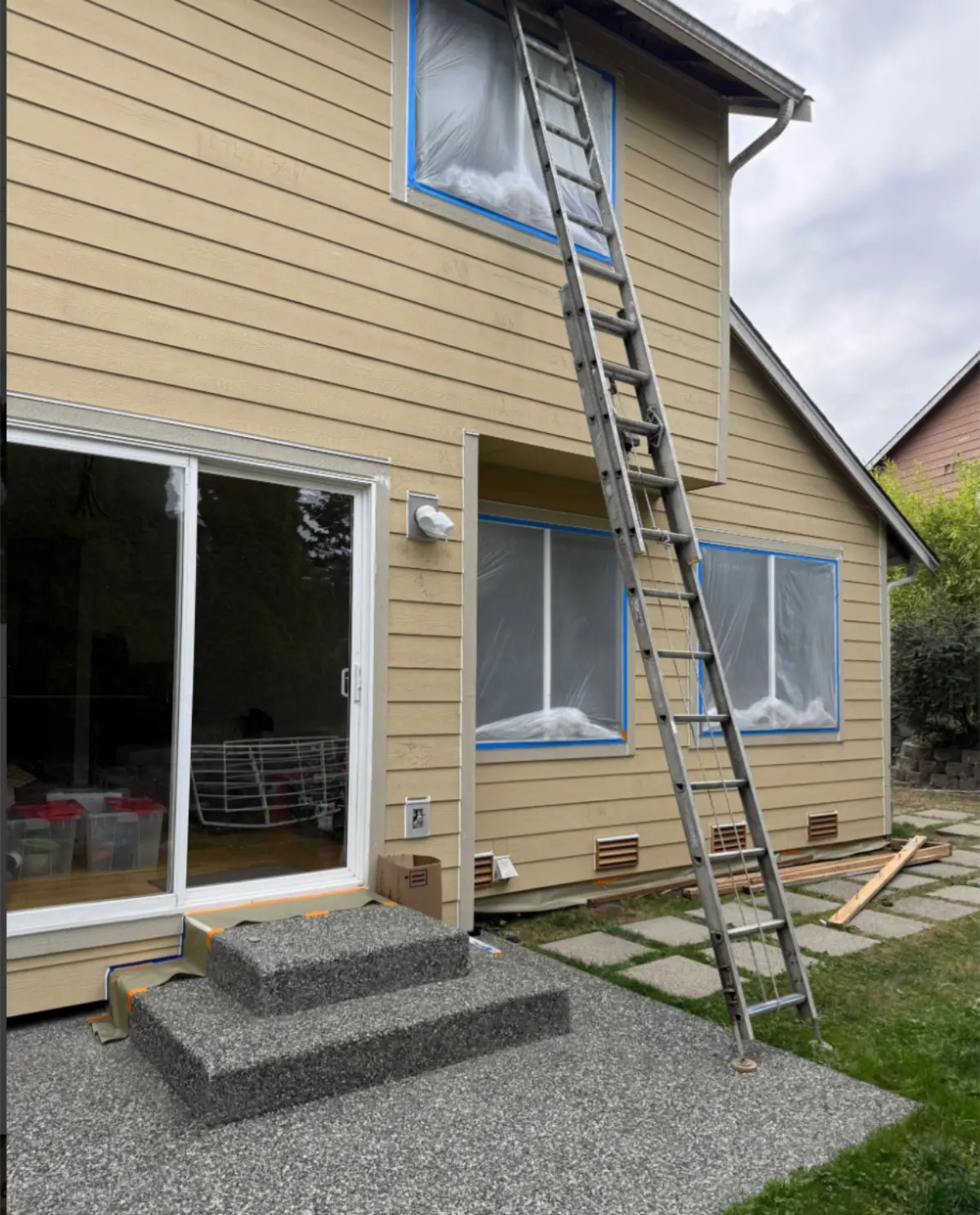
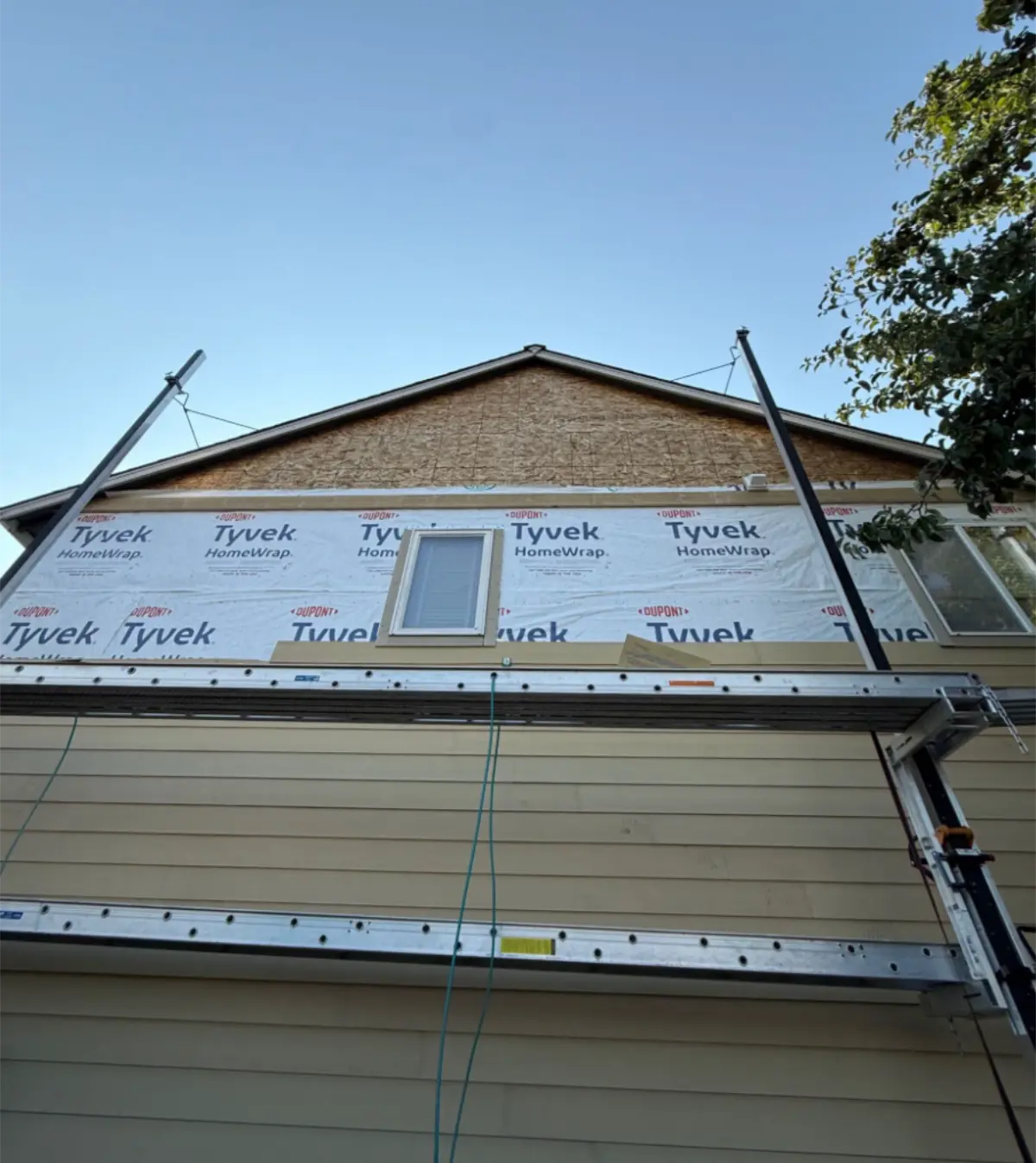
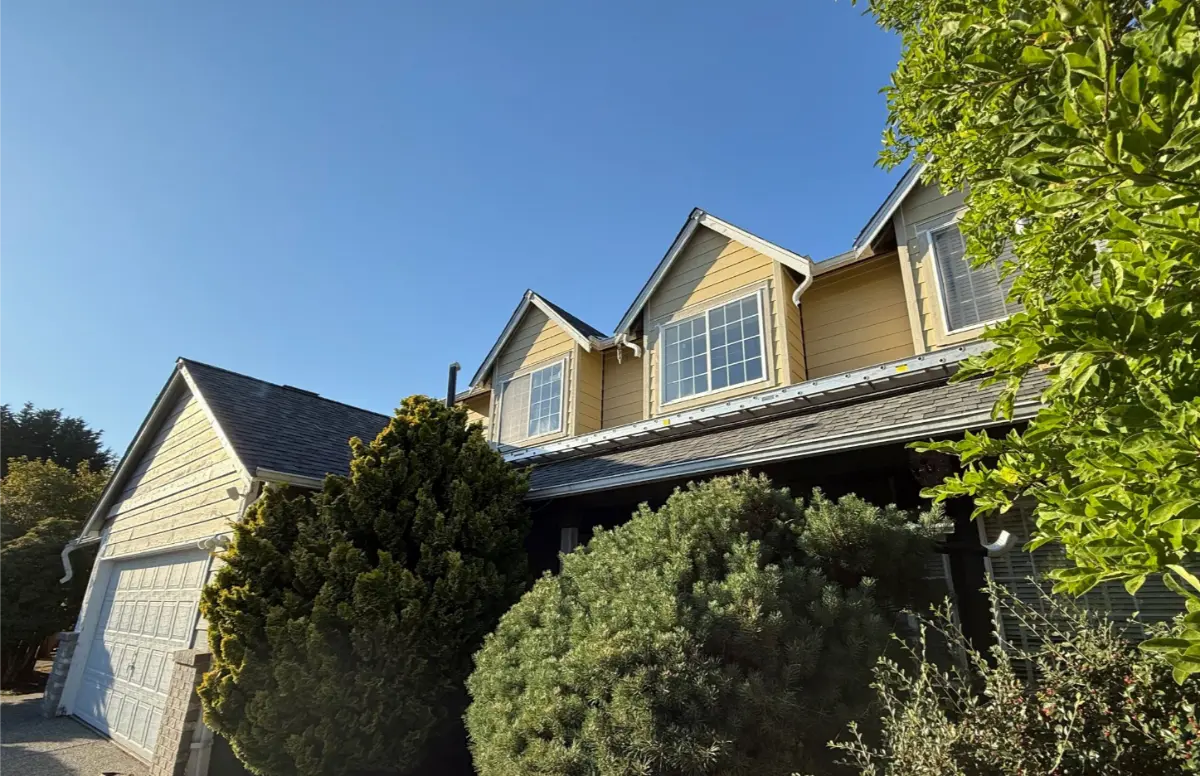
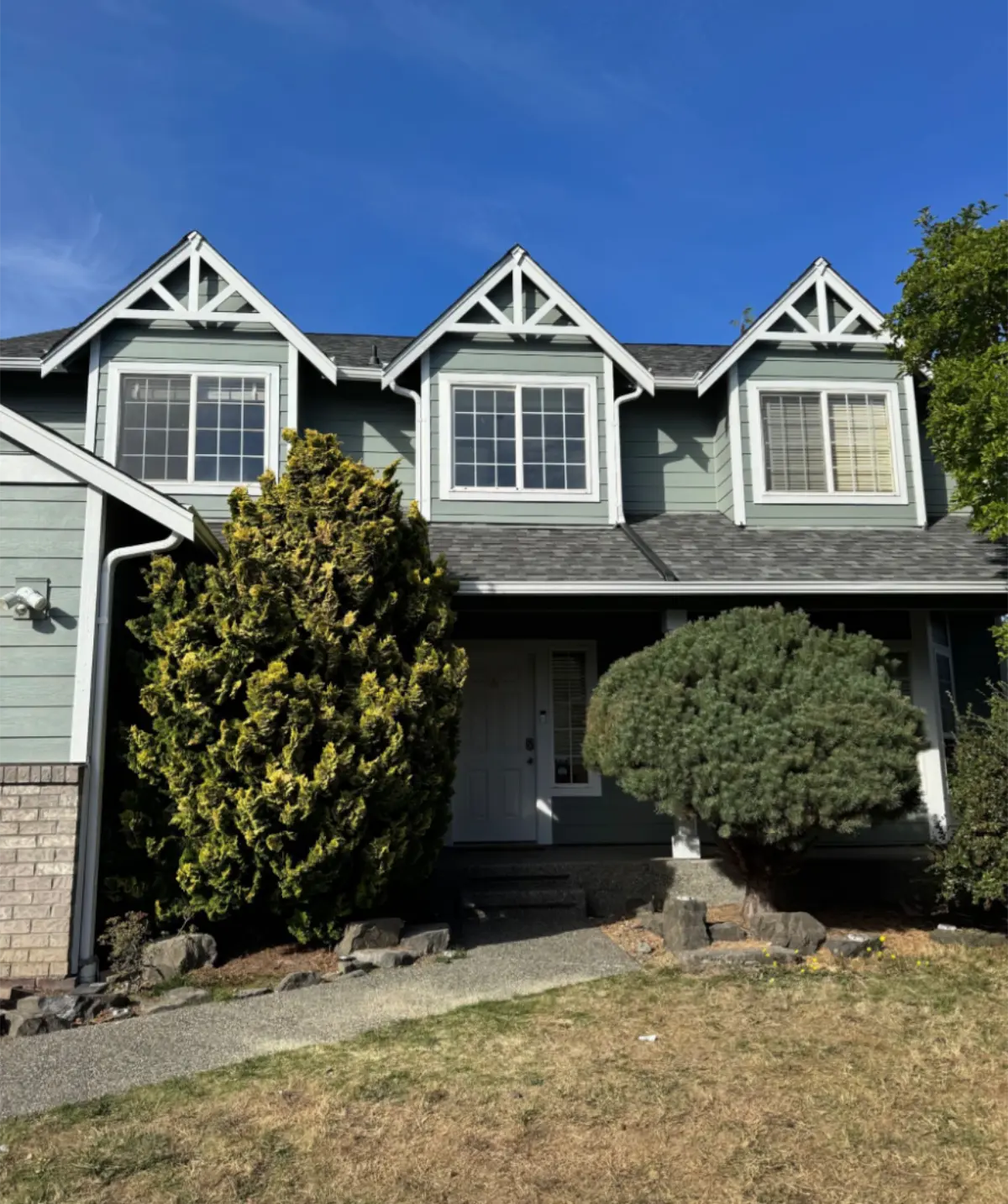
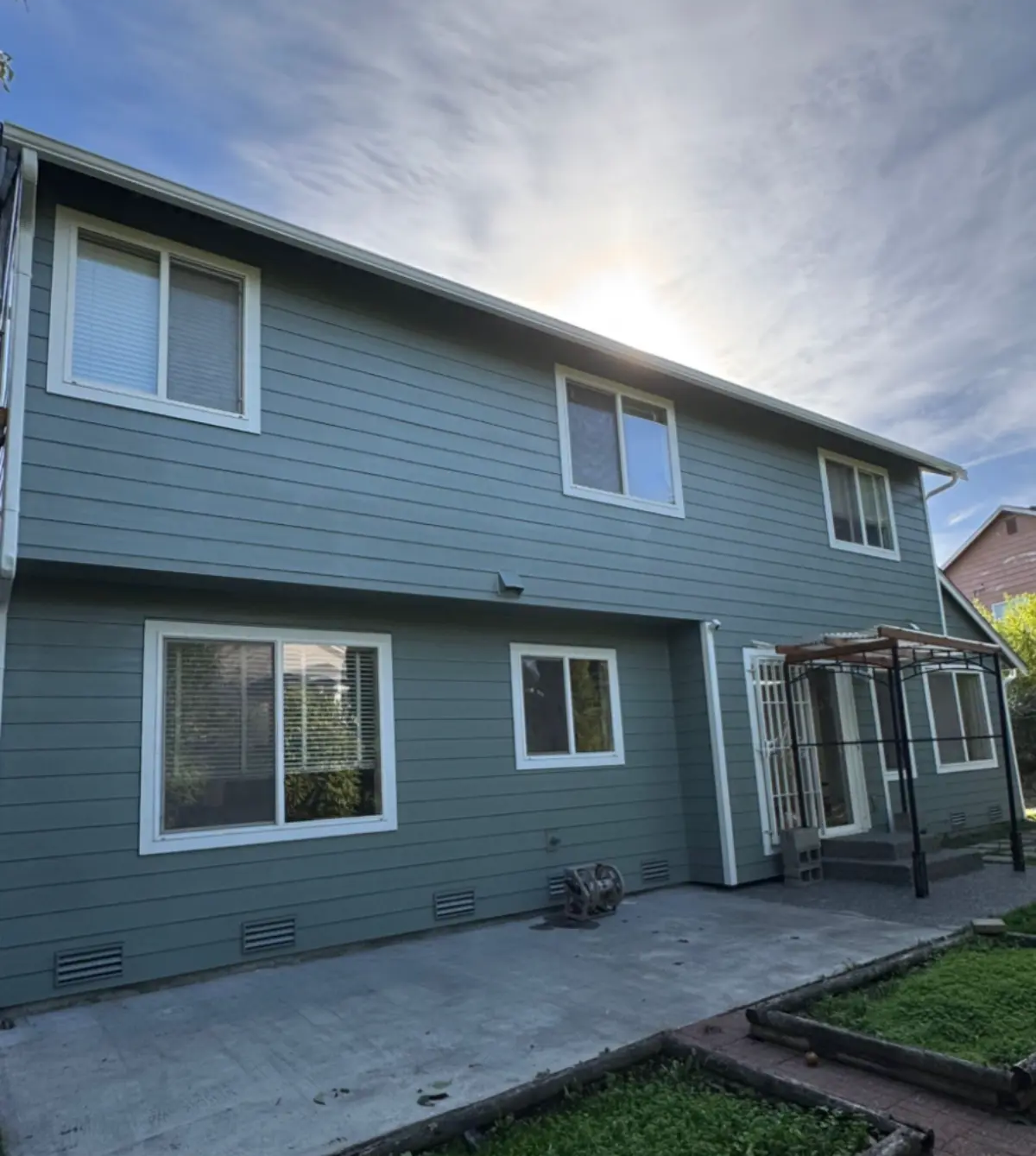
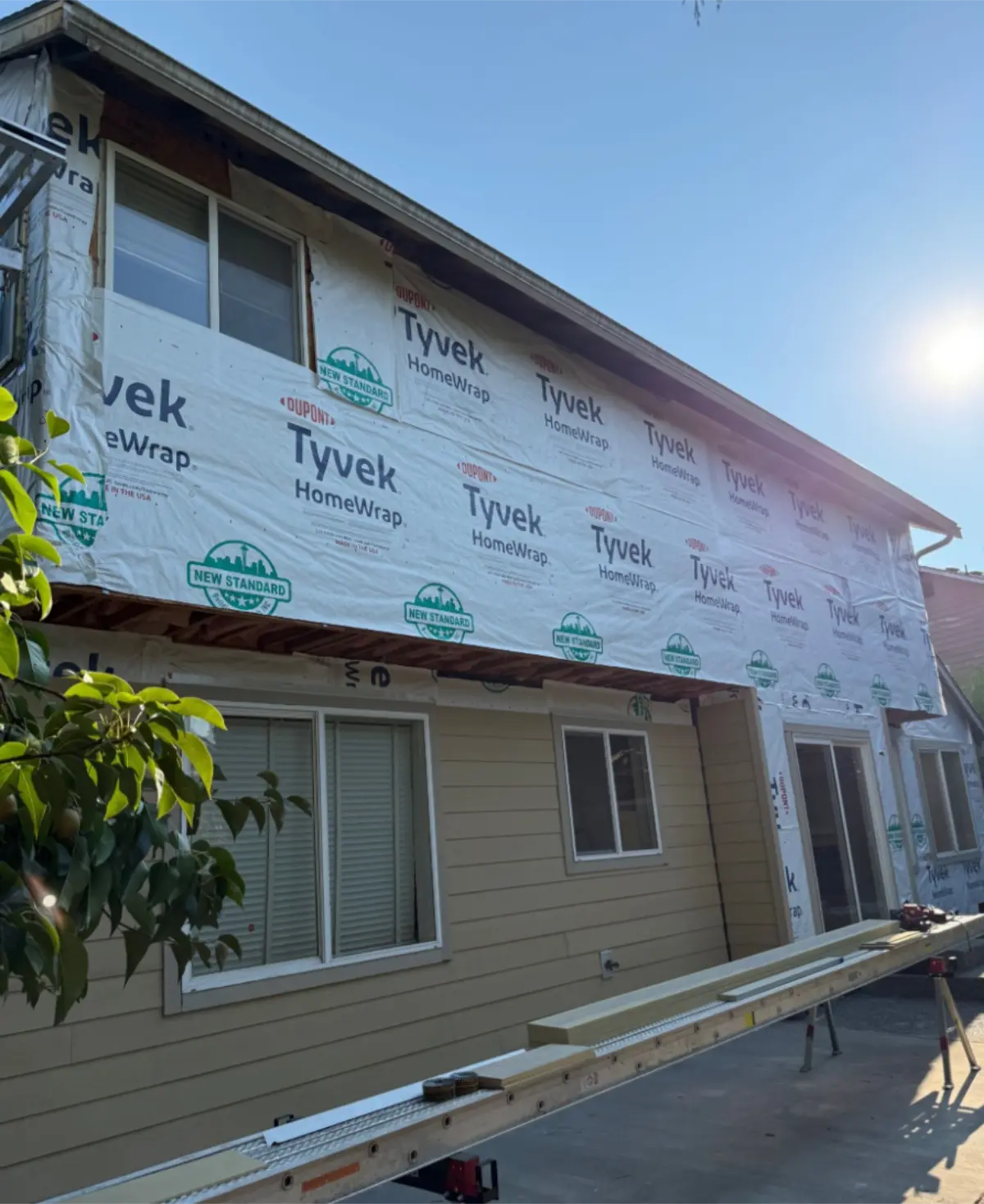
Melody found the problem the way a lot of homeowners do, by accident. She was out watering her plants along the side of the house and pressed against a section of siding that gave way under her hand. It felt squishy. That single soft spot was enough to make her stop and look closer, and once she did, she found more crumbly, deteriorated wood nearby.
She searched for rot repair on Google and called GotRot. There was no previous contractor involved. The visible warning was the soft, crumbly siding Melody discovered while watering her plants.
Melody Found One Soft Spot, but the Damage Had Reached the Framing
Melody's house was built in 1994, a typical single-family home of about 1,700 square feet. From a normal viewing distance, there was no visible rot. The problem became apparent when the siding was pressed and the boards felt soft and mushy.
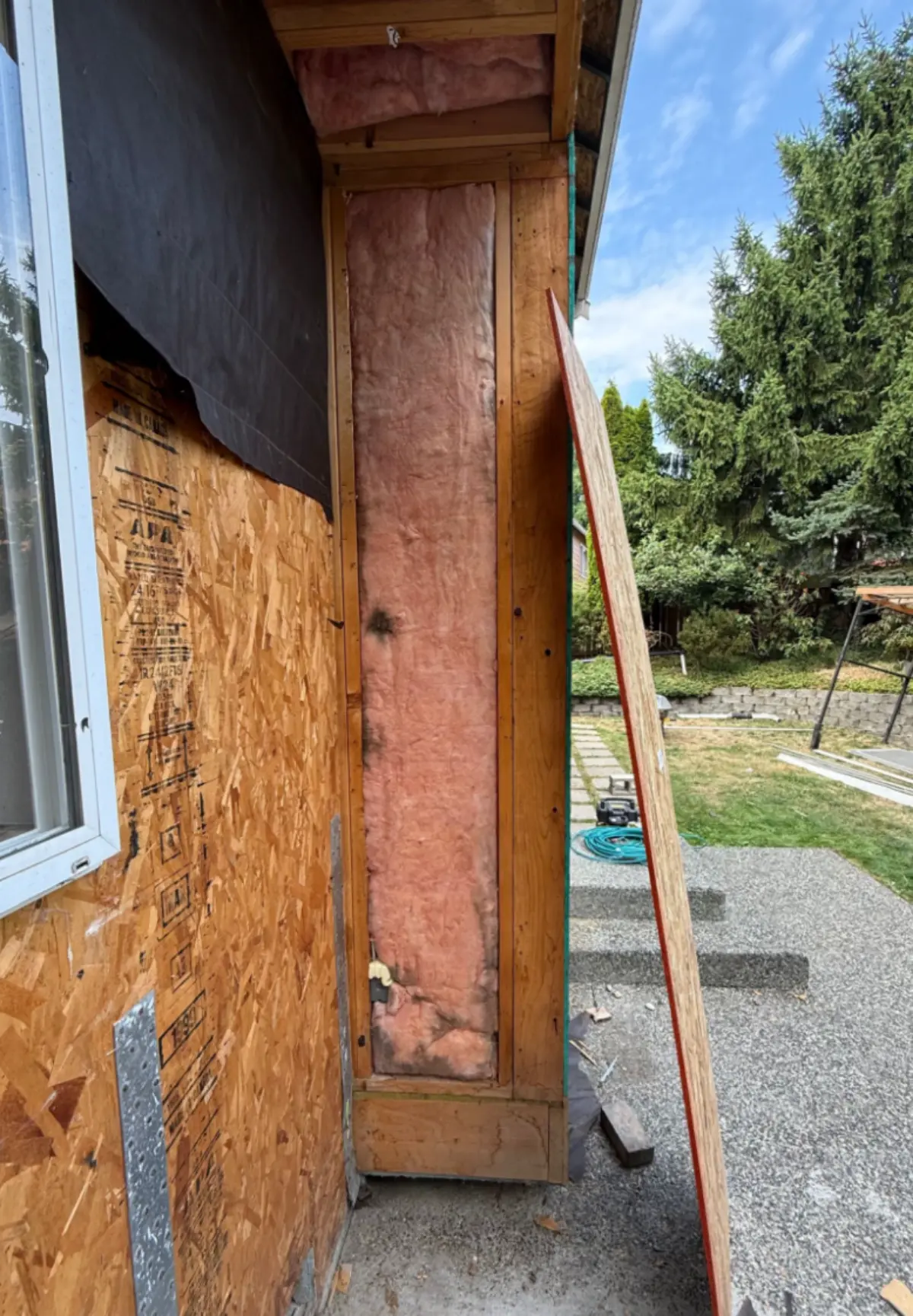
Our assessment found that the siding itself had rotted through in the affected sections, and once we looked past the surface, we found the framing behind it was compromised too. The sheathing was still in acceptable shape, but several wall studs had started rotting, and the surrounding frame had deteriorated along with the siding. That combination, sound sheathing surrounded by rotted studs and siding, told us the water had been getting in for a while without reaching every layer of the wall equally.
I don't put much weight on how a wall looks from the driveway. A house can go years looking fine while the studs behind the siding lose their strength one board at a time, and that's basically what happened here.
Missing Original Flashing Allowed Water Behind the Siding
Our diagnosis pointed to something simple and easy to overlook: the home never had proper flashing installed when it was built. Flashing is what redirects water away from seams, corners, and transitions in the exterior wall so rain doesn't sit against the wood. Without it, water from Pacific Northwest rain works its way in behind the siding little by little. It doesn't need a dramatic storm or a burst pipe. It just needs years of ordinary weather and an assembly that was never built to shed it correctly.
On Melody's home, the missing flashing dated back to the original construction. That allowed rainwater to reach materials behind the siding over time and created the conditions that led to the rot we found.
Why We Didn't Recommend Patching One Section
We gave Melody two options. The first was a localized repair: flash and replace only the compromised section of siding, correct that one problem area, and reinforce the framing behind it. The second was a full re-side of the home with proper flashing installed throughout, which would address the section she'd already found and help reduce the risk of the same moisture problem developing elsewhere on the exterior.
Option two costs more. Melody chose it anyway. She wanted the issue handled completely rather than revisiting the same house in a few years to fix a different wall with the same underlying flashing problem. That's a call I see homeowners split on fairly often, and there's no universally right answer. A localized repair makes sense when the rest of the exterior is genuinely fine. Melody chose the full re-side because she wanted the flashing issue addressed throughout the exterior instead of repairing only the first section where rot had become visible.
August 25-September 11: We Repaired the Rot and Re-Sided the Home
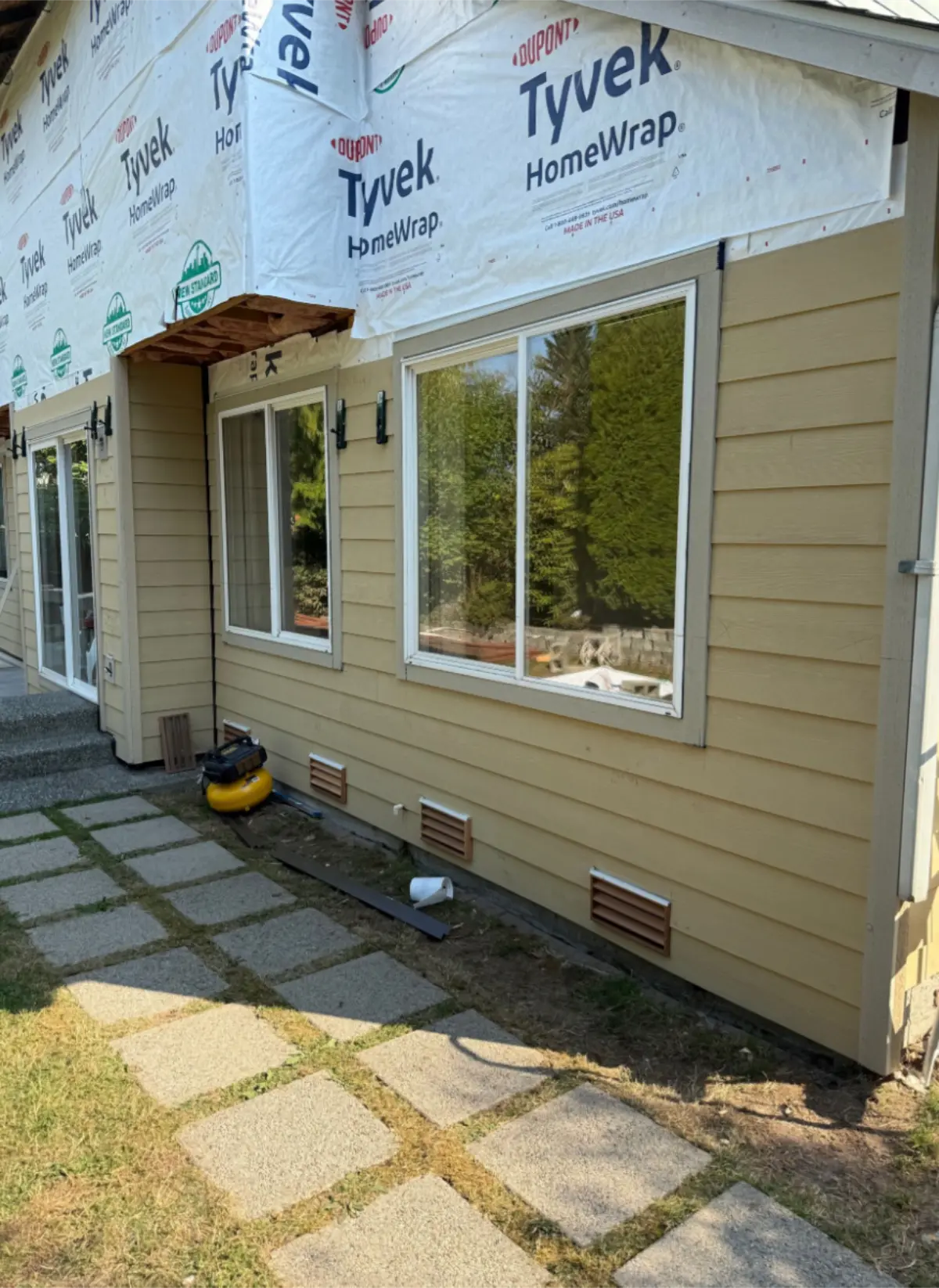
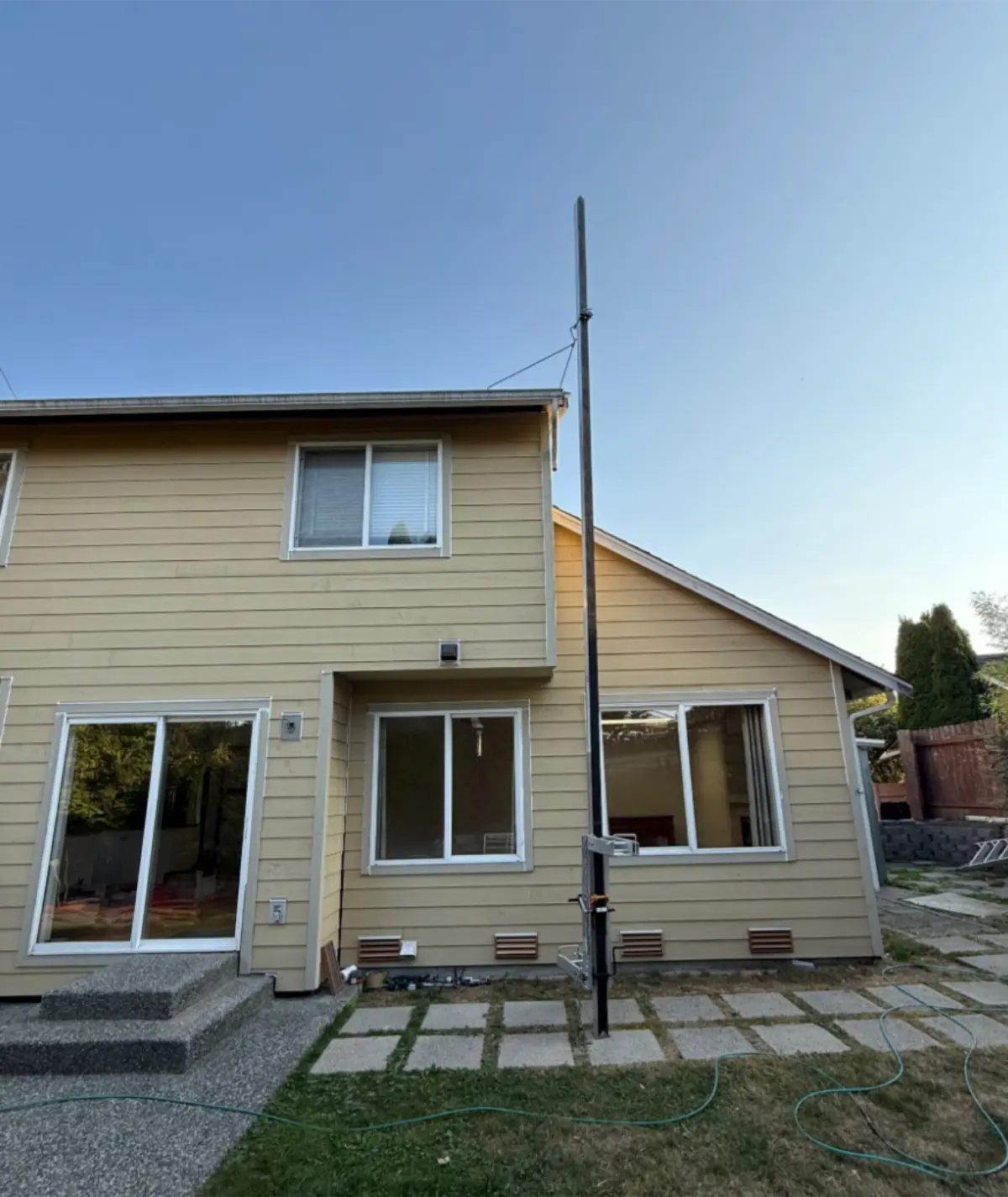
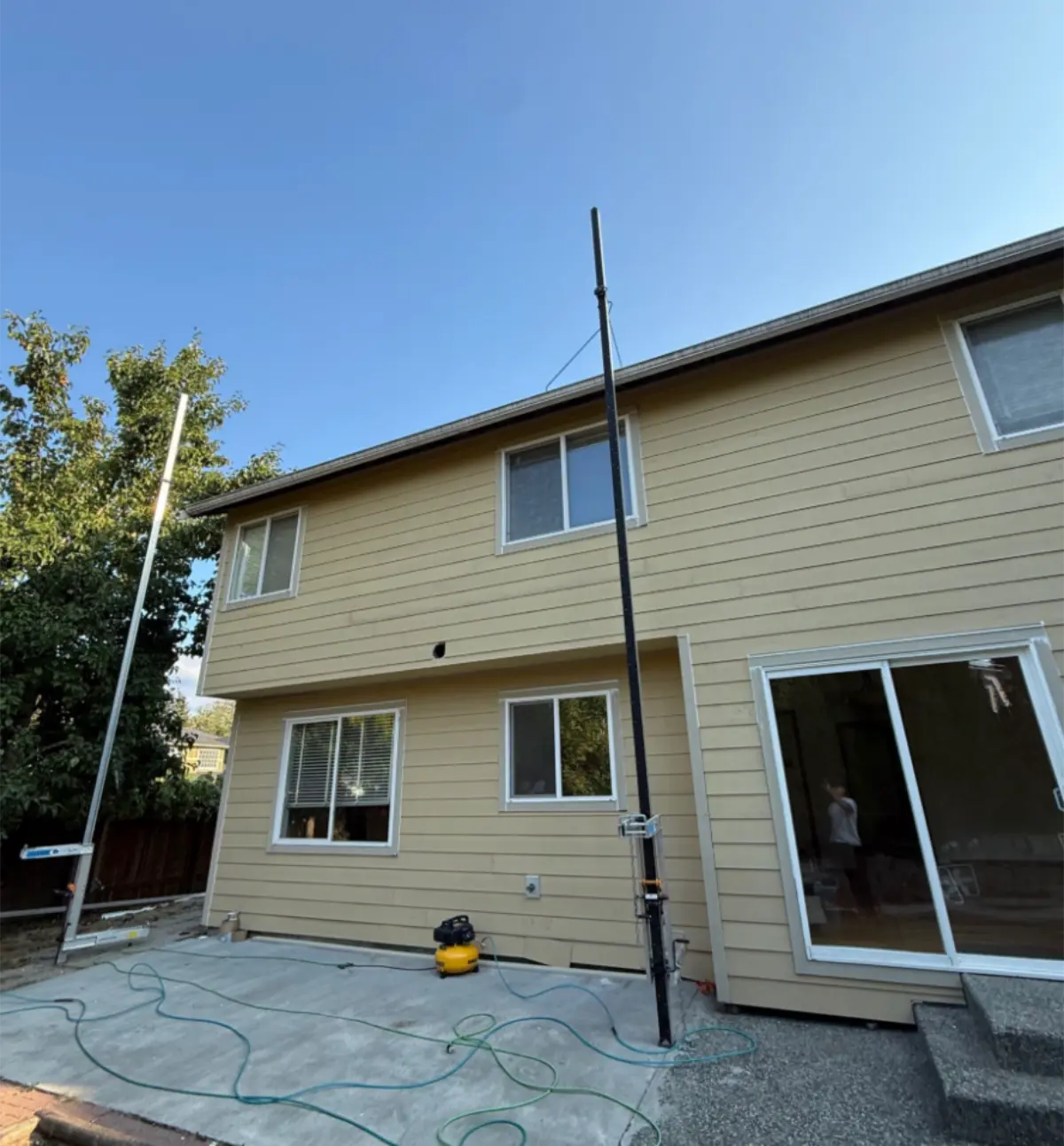
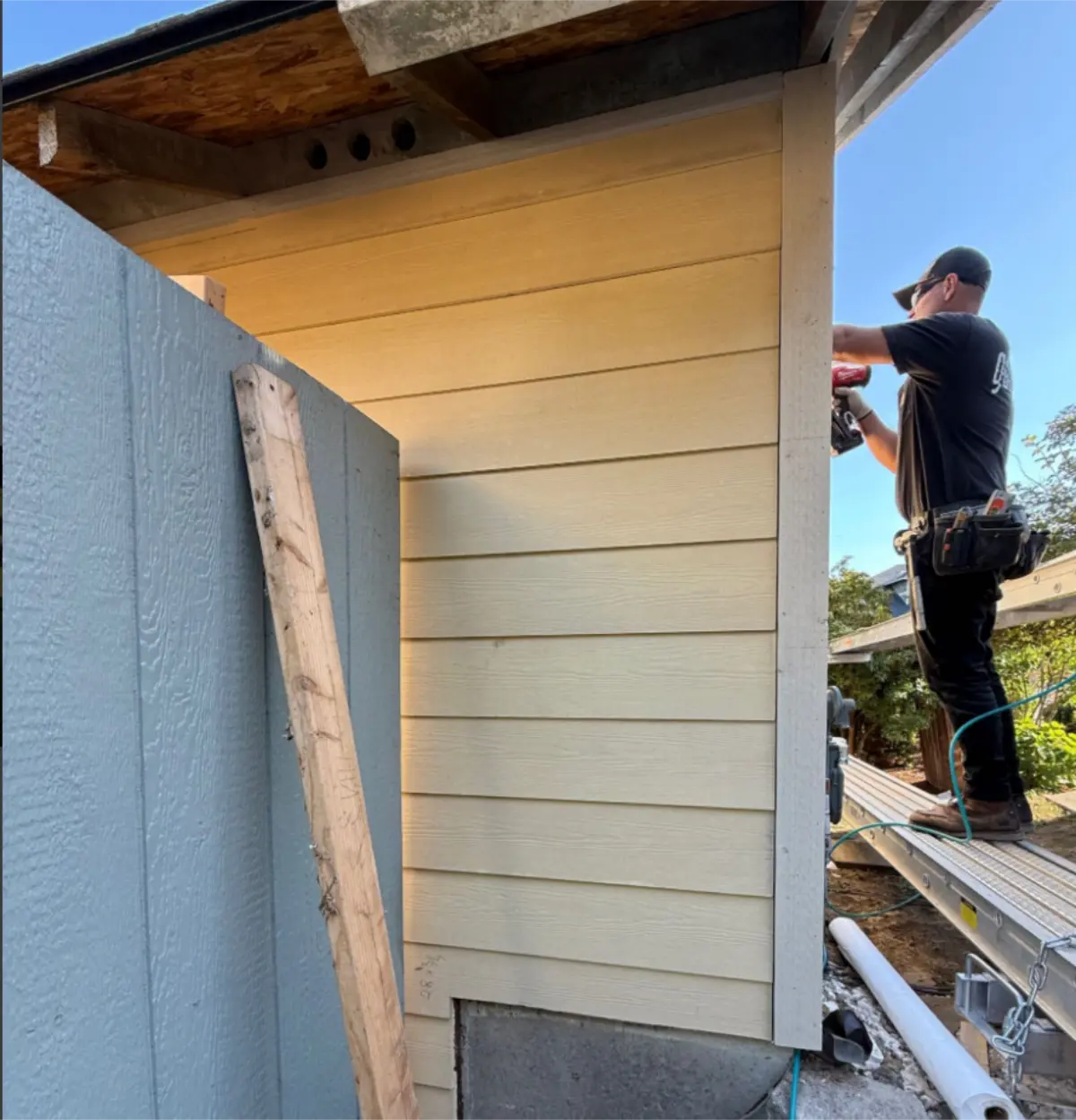
Work ran from August 25 through September 11, 2025. Melody had chosen the full-home re-side instead of limiting the project to the first section where the siding had become soft. The repair addressed the rotted siding and the damaged framing found behind it. Some wall studs and surrounding framing had already begun to rot, while the sheathing was still in acceptable condition. The crew repaired the compromised framing where needed and completed the full re-side so the exterior could be rebuilt around a corrected water-management system rather than simply covering the original problem again.
The larger scope mattered because the issue was not limited to one damaged board. Our assessment traced the deterioration back to missing flashing from the home's original construction, so Melody chose to address the exterior as a whole rather than wait for the same underlying condition to show up in another section later.
We Corrected the Water-Management Detail Before Closing the Exterior
Replacing rotted siding and framing would not have addressed the reason moisture had reached the wood in the first place. The original exterior lacked proper flashing, which had allowed rainwater to work behind the siding over time.
As part of the full re-side, proper flashing was installed throughout the exterior before the new siding system was completed. The project scope included the weather-management components needed around exterior transitions and vulnerable areas so water would be directed away from the wall assembly instead of reaching the framing behind it. That was the key difference between this project and a cosmetic siding replacement. The crew also corrected the construction detail that our assessment identified as the source of the rot.
What the $48,336.30 Re-Side Included
- Removal of rotted siding and the affected studs and framing behind it
- Structural repair of the rotted framing before closing the wall back up
- A complete re-side of the home rather than a patch limited to the original problem area
- Flashing correctly installed throughout the exterior to address the original construction gap
- A 24-month GotRot workmanship warranty on the finished work
The Peace of Mind Melody Wanted
During the assessment, we were direct with Melody about what happens if rot like this gets ignored. Left alone, it doesn't stay contained to one board. It spreads, and the cost of fixing it only grows the longer it sits. That's part of why we walked her through both options rather than just quoting the smaller job.
Melody told us she'd rather spend more up front and have it done right across the whole house than deal with the same kind of surprise again in another few years. By the time the crew finished, the damaged framing had been addressed as part of the full re-side, and proper flashing had been incorporated throughout the exterior. Melody was very happy with the finished result.
What I'd Tell a Lynnwood Homeowner Who Finds a Soft Spot
A soft board does not tell you how far the damage extends behind the siding. Melody's siding looked fine except for the one spot she happened to touch, and once we opened the wall, we found studs and framing that had been rotting quietly behind sound-looking sheathing. If you press into your siding anywhere and it gives more than it should, that's worth a real inspection, especially in an older home where flashing may never have been installed correctly to begin with.
If you're in Lynnwood or elsewhere in King or Snohomish County and you've found soft or crumbly siding, GotRot can inspect the affected wall. We’ll tell you honestly whether it's a local repair or something more and build the fix around what your home actually needs. Request a free estimate or call us to get someone out to take a look.