Seattle Dry Rot Repair
GotRot is your reliable partner in Seattle, WA for dry rot repair services. We specialize in combatting moisture damage, ensuring the structural integrity of your home remains intact.
Experience serving Seattle homeowners.
Projects completed with 5-star satisfaction.
Get a FREE assessment & estimate from our experts. No obligation, good for 30 days.








Trusted by Homeowners


Dry Rot Repair Projects
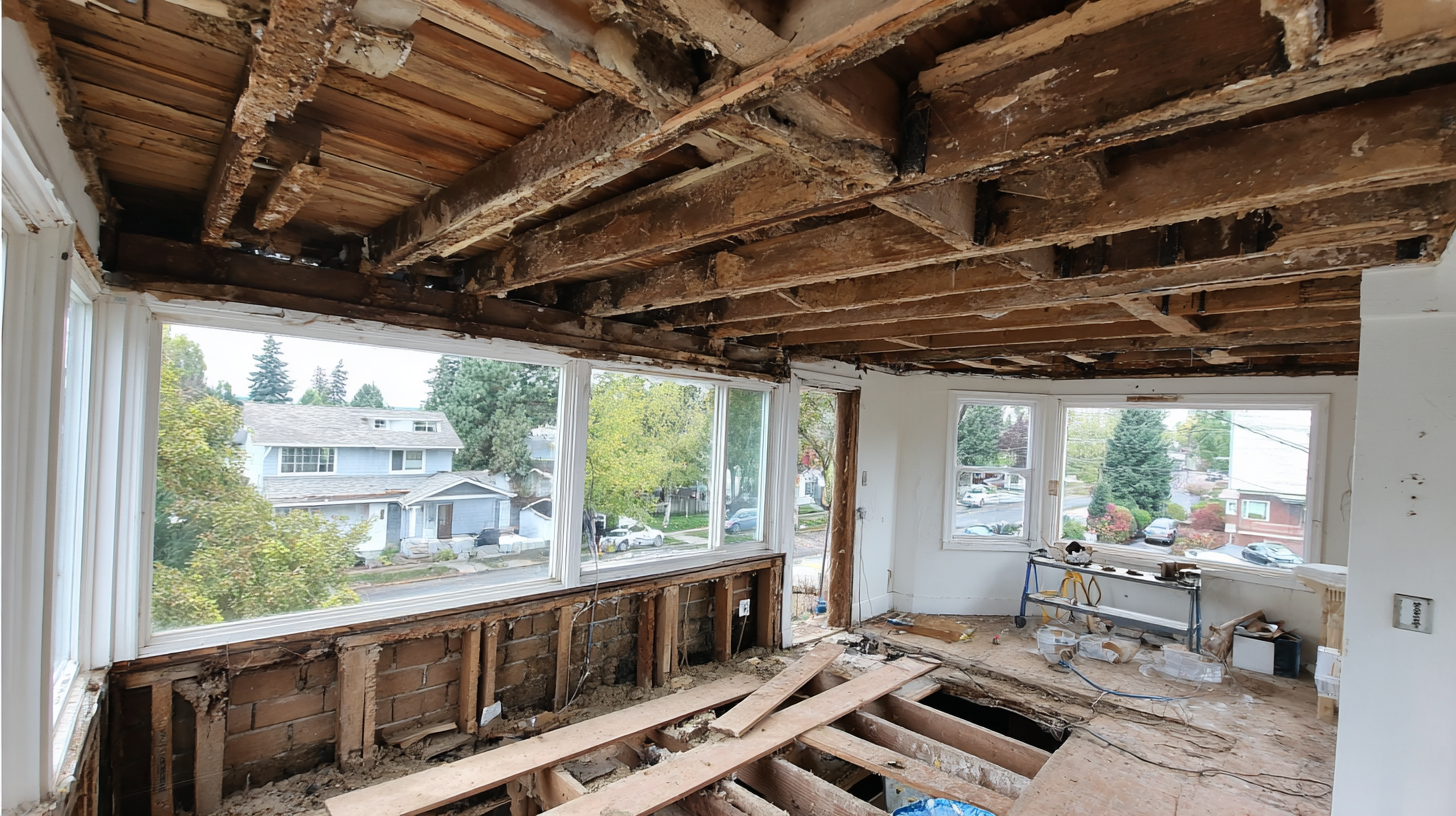
Seattle homeowners are no strangers to dry rot and the structural damage it can do to a home’s foundation. Dry rot can affect a multitude of areas of your home, from interior wooden structures to exterior add-ons like front porches and backyard decks.
Tap images to enlarge
Top-Rated Dry Rot Repair Contractor in Seattle
Dry rot is an insidious problem that can severely damage your property's structural integrity if left unchecked. But don't fret, our squad of seasoned experts in Seattle, WA, are ready to assist you in reversing this debilitating condition. We're skilled in identifying the signs of dry rot and implementing customized corrective measures for absolute quality assurance.
So, why wait? Let's provide you with the best dry rot repair service in the area. I mean, it's exactly what we're here for!
Leading Dry Rot Repair Experts in Seattle
We understand that dry rot is inherently destructive, capable of ravaging your building's core integrity faster than you anticipate. Therefore, we carry out our repair operations with strategic precision, aligning with Seattle's unique climatic conditions that propagate the problematic fungi.
To be specific, our dry rot repair service revolves around:
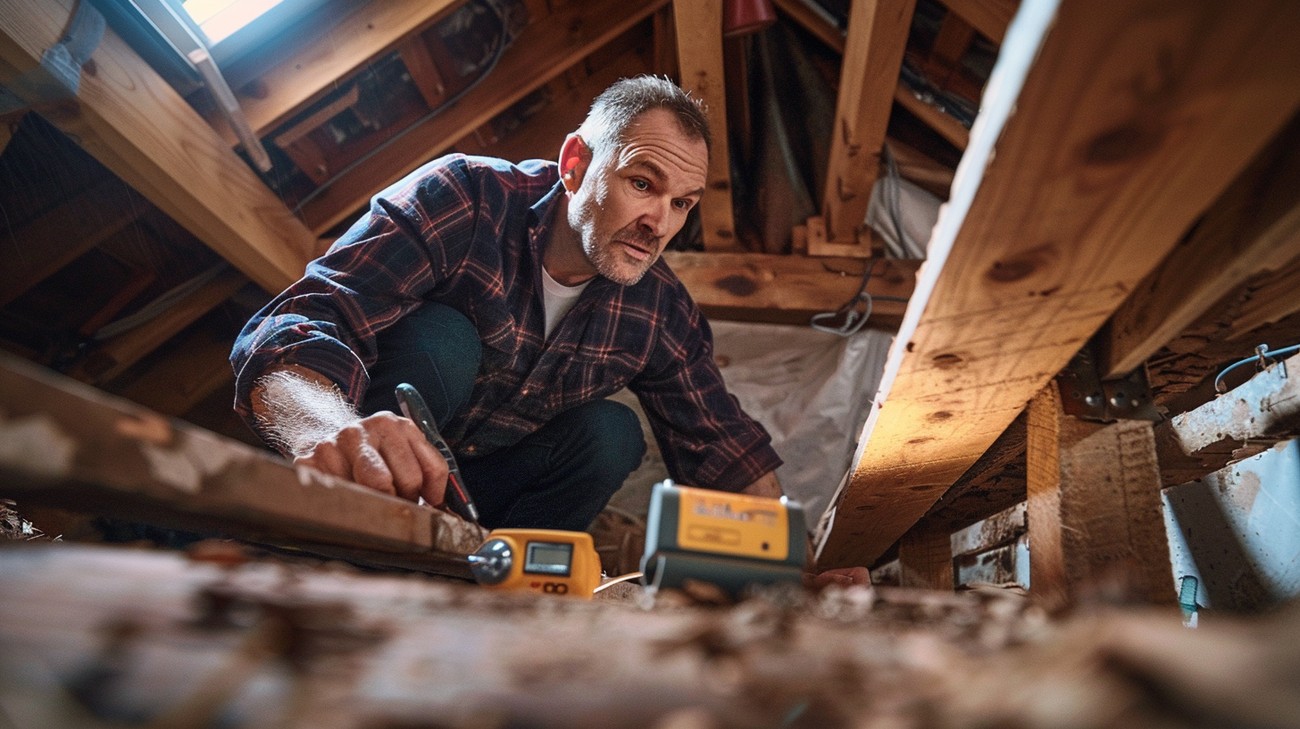
- Thorough Inspection: We detect the early signs of dry rot, in areas you wouldn't even think of checking.
- Extraction: We excise the affected areas meticulously, to prevent its spread.
- Replacement and Treatment:We replace and treat damaged sections using potent yet environmentally friendly antifungal solutions.
- Prevention: By applying preventive techniques, we ensure that future rot is deterred.
We're confident these steps are flexible enough to meet your specific dry rot repair and preventative needs!
Custom Dry Rot Repair Experience Near You
Being the premier dry rot repair company in Washington, we don't believe in one-size-fits-all solutions. Instead, we provide a tailored, results-oriented approach steeped in experiential knowledge, industry insights, and customer satisfaction.
Our localized insights into the unique causes and manifestations of dry rot in Seattle empower us to provide a wide-range of services:
- Comprehensive on-site survey and assessment.
- Accurate quotation and budgeting.
- Efficient scheduling and prompt service delivery.
- Construction and repair work completed by our own trained team – no subcontractors are used.
While opting for our service, rest assured that you'll always experience top-end quality meeting your unique needs.
Design, Construction & Contractor Excellence You Need
As a top-rated contractor, we’re committed to deliver service that not only rectifies but revives your property against future rot attacks. Furthermore, we coordinate with trusted vendors to source the best of materials for your project.
Our expansive array of services designed for Seattle properties include:
- Damage assessment and cost estimation.
- Design and implementation of dry rot repair.
- Post-repair property decoration and restoration.
- Wall tie replacements and crack stitching.
Anticipate sheer perfection in each step as we work together to restore, rejuvenate, and safeguard your property from further dry rot attacks.
Trusted Local Dry Rot Repair Company in Seattle, Washington
Our reputation as the leading local dry rot repair specialist in Seattle stems from our belief in integrity, commitment, and collaboration. Our team of seasoned professionals ensure that your home or commercial property regain its indomitable strength and appealing looks, mirroring the true spirit of Seattle - resilient and captivating!
You can trust us, your local experts, to provide you with the premier dry rot repair service in Washington, safeguarding your property now and in the future!
Types of Dry Rot Repair
Without the right intervention, dry rot can cause severe damage to wooden structures, necessitating costly repairs or replacements. Dry rot, a type of wood decay caused by certain species of fungi, can affect any wooden structure in a moist environment. Here at GotRot, we specialise in a range of dry rot repair methods designed to mitigate this problem.
Epoxy Fillers
One of the most effective dry rot repair methods involves the use of epoxy fillers. Here at GotRot, we frequently use epoxy fillers to repair rotten wood. These fillers, formed from a resin and a hardener, provide a solid, durable fix once they've hardened in place. They can reproduce the original look and functionality of the rotten wood without the risk of future decay.
Borate Wood Treatments
Borate-based wood preservatives, also known as borax, offer another solution for dry rot repair. A borate treatment involves the application of this mineral compound, which naturally resists decay and rot, directly to the affected wood. Once the wood absorbs the borate, it becomes much less susceptible to rot and is better equipped to resist the fungi causing the decay.
Wood Hardening Treatments
When treating wood that has already suffered from rot but still retains some solidity, a wood hardening treatment can be used. It typically consists of a low-viscosity liquid that penetrates the decayed wood to effectively harden and reinforce it. The hardened wood then provides a suitable base for further repairs such as filling or replacement of severely rotted sections.
Wood Replacement
Sometimes, the wood's damage is so advanced that removing and replacing the rotten wood is the only viable solution. At GotRot, we offer wood replacement services where we take out the affected parts and replace them with fresh, treated wood that is resistant to further rot. This type of repair may require more time and resources, but it's often the best option for severe cases of dry rot.
Moisture Control
Last but not least is moisture control, which is less a repair method and more a preventive measure. Given that excessive dampness fosters the growth of dry rot fungi, controlling the moisture level of your property is a critical approach to dry rot repair. This could be achieved by improving your property’s ventilation or insulation, regularly checking for leaks, and ensuring gutters are cleared and functioning properly.
Whether you require epoxy fillers, borate treatments, or wood replacement, GotRot is here to provide comprehensive and effective solutions. Do bear in mind that only a professional can diagnose the severity of the situation and recommend the appropriate type of dry rot repair. That's where we come in! Please remember, the sooner the dry rot is addressed, the less the damage it can do to your property.
Remember, prevention is always better than cure. Regular maintenance checks and quick actions to repair any leaks or damp issues can stop dry rot getting a foothold in the first place. After all, our goal at GotRot is to help you keep your property as structurally sound and rot-free as possible!
Seattle Dry Rot Repair FAQ
How does Seattle's climate contribute to dry rot?
Seattle is known for its rainy, moist climate. This often creates the perfect environment for dry rot to thrive. Dry rot is a fungus that thrives in humid, damp areas. When timber absorbs moisture, whether from heavy rainfall or damp conditions, it becomes a breeding ground for dry rot spores. Over time, the spores multiply and cause the timber to decay, leading to structural damage if left unattended.
What are the signs of dry rot I should look out for?
Knowing the signs of dry rot can help you spot a problem before it becomes severe. In Seattle, due to the high moisture content, signs of dry rot can manifest earlier than in dry climates. Signs of dry rot include:
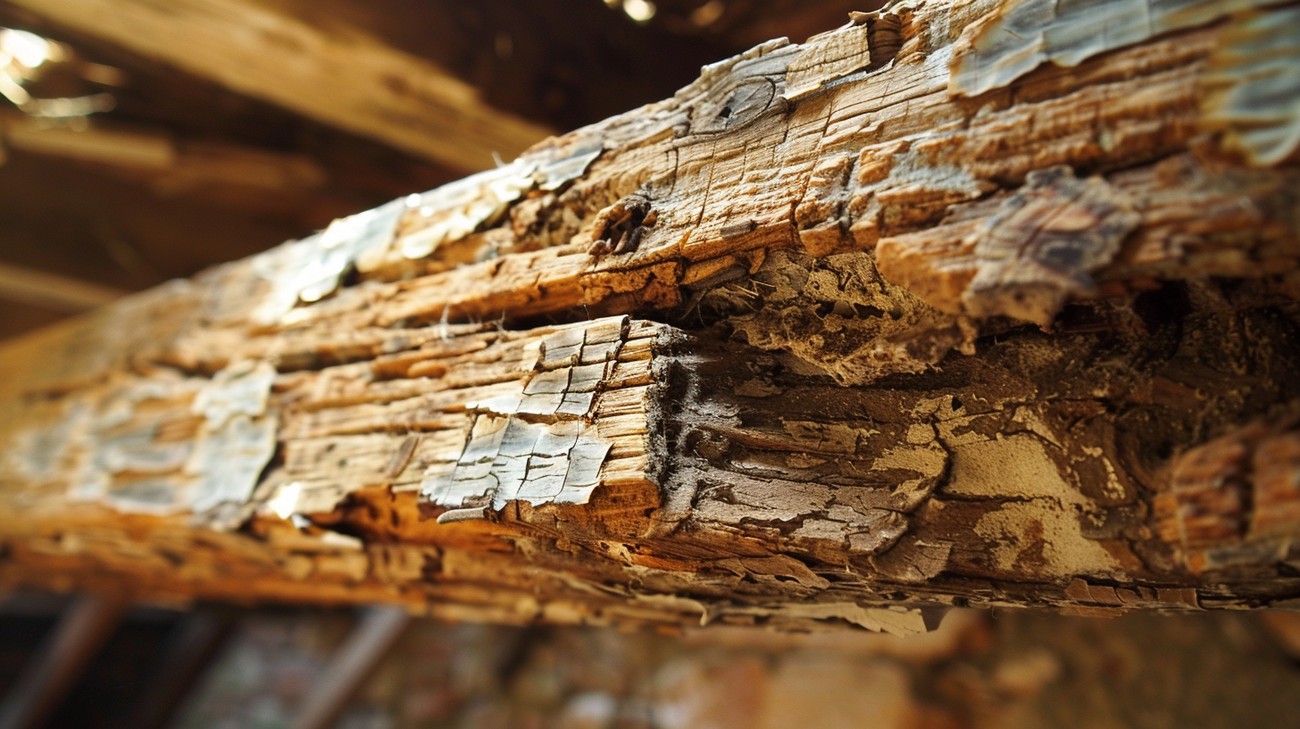
- Wood becoming brittle or crumbly and losing its structural strength.
- Darkening of the damaged wood.
- A distinct musty or fungal odor.
- The appearance of a fine grey or white fungal growth on the surface of the wood.
- Presence of orange or red spore dust around the site.
How can I prevent dry rot from occurring in my Seattle home?
Dry rot thrives in moist environments. Therefore, a key aspect of preventing dry rot in your Seattle home revolves around moisture control. Here are some ways to manage this:
- Ensure proper ventilation throughout the property to prevent accumulation of condensation.
- Regularly check for leaks and fix them immediately.
- Install a reliable drainage system to remove excess water.
- Use wood preservative treatments regularly.
- Insulate water pipes to prevent condensation and leaks.
How long will the dry rot repair process take?
The duration of a dry rot repair process depends on the severity of the damage. In minor cases, the repair could take a few days to a week. In more severe cases, where large parts of the structure are affected, the process may take several weeks. Our professionals at GotRot ensure a thorough job, favoring quality and long-term solutions over speed.
What are the methods used by GotRot to repair dry rot?
At GotRot, our professionals typically use a step-by-step method to ensure maximum effectiveness in our dry rot repair:
- Identify and eliminate the source of moisture fuelling the dry rot.
- Remove all of the infected timber.
- Treat remaining timber and infected areas with the appropriate fungicide.
- Replace damaged timber with pre-treated timber.
- Re-inspect the property periodically to ensure the rot hasn't returned.
Is it possible to handle dry rot repair as a DIY project?
While it may be tempting to attempt dry rot repair as a DIY project, it is not advisable. Dry rot can be a serious issue and can compromise the structural integrity of your property. If not attended to by professionals, it may cause extensive damage. Repairing dry rot involves a good understanding of construction, knowledge of effective fungicides, and safe handling of affected timber.
How costly is dry rot repair in Seattle?
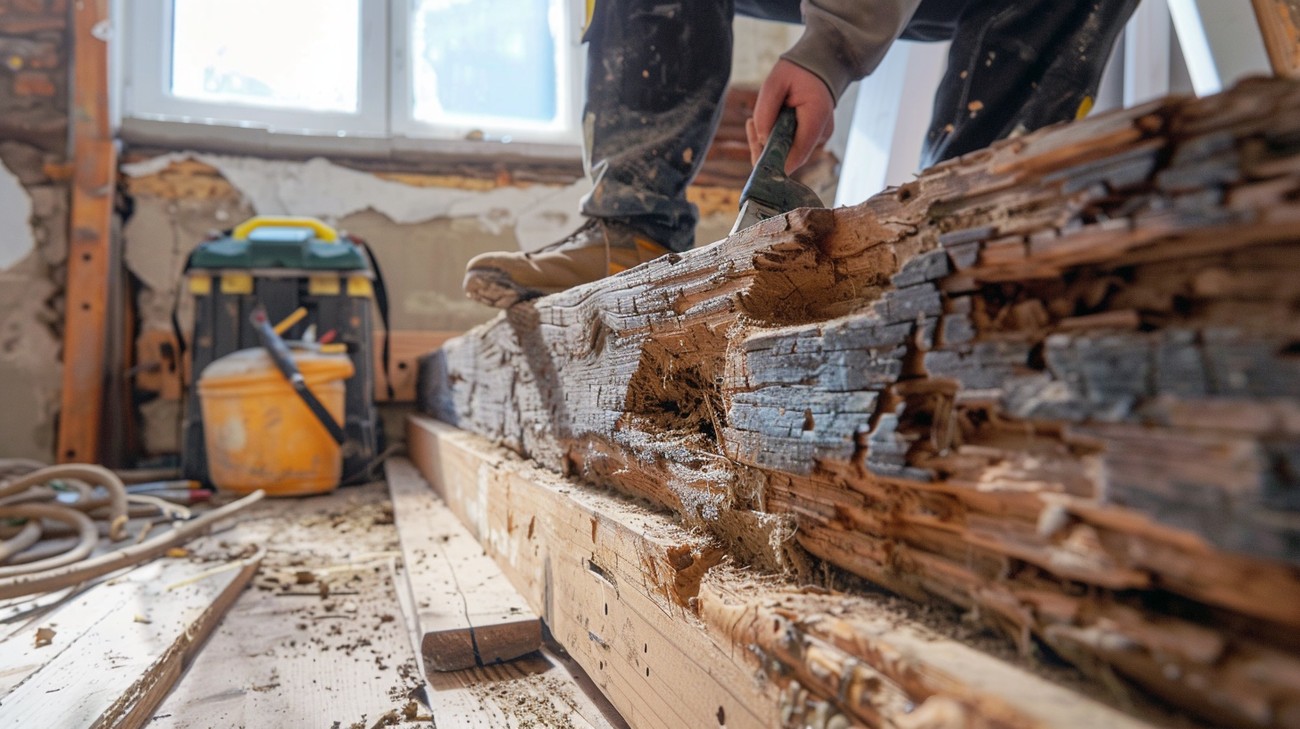
The cost of dry rot repair in Seattle can vary significantly, depending on the extent of the damage and the labour involved. Minor cases could be handled for a few hundred dollars, while more severe cases could go up to several thousand dollars. At GotRot, our professionals will provide an estimate after inspecting your property and determining the best course of action.
What happens if I ignore dry rot in my property?
Ignoring dry rot can lead to severe consequences. A slow rotting process can turn into significant structural damage over time. Furthermore, the longer the dry rot remains, the larger the area it will cover, thereby increasing the cost and complexity of the repair process. In worst-case scenarios, ignoring dry rot can make parts of your property unsafe and uninhabitable.
How often should I inspect my property for signs of dry rot?
For homes in Seattle, due to the damp, rainy climate, it’s ideal to perform a dry rot inspection at least twice a year, preferably in spring and fall. If you have had previous incidents of dry rot, or your property is in a particularly vulnerable area, we recommend quarterly inspections.
We hope this section has answered most of your queries associated with dry rot repair in Seattle. For more specific questions or to schedule an inspection, feel free to reach out to the GotRot team.
When It Comes to Dry Rot, Don't Wait. Let GotRot Fix It Today!
Living in Seattle means wet weather can cause dry rot and seriously harm your property's integrity. Whether it's your home or your business, a small issue can quickly turn into a massive headache and costly repair. GotRot provides top-notch Seattle dry rot repair with emphasis on quick, efficient, and effective service.
For a decade, GotRot has been the trusted solution for countless locals. We use the best materials and trained experts to fully get rid of rot, preventing it from spreading and delivering long-lasting results. Plus, we offer free inspections. So, you'll know exactly where you stand before any work starts.
So, why wait until it gets worse? When you start to see signs of dry rot, reach out to GotRot. We'll be there to get you back to rot-free living as quickly as possible!


Why Choose GotRot?
- Residential & Commercial
- Free, no-pressure estimates
- 11+ years of experience
- Top-quality materials
- Fully licensed & insured
- 24-month warranty on all work
From Our Blog

10 Key Dry Rot Signs You Cant Ignore
January 27th, 2026 by GotRot
Dry Rot Cost: What You Need to Know
January 19th, 2026 by GotRot
Essential Guide to Dry Rot Inspection
January 18th, 2026 by GotRot
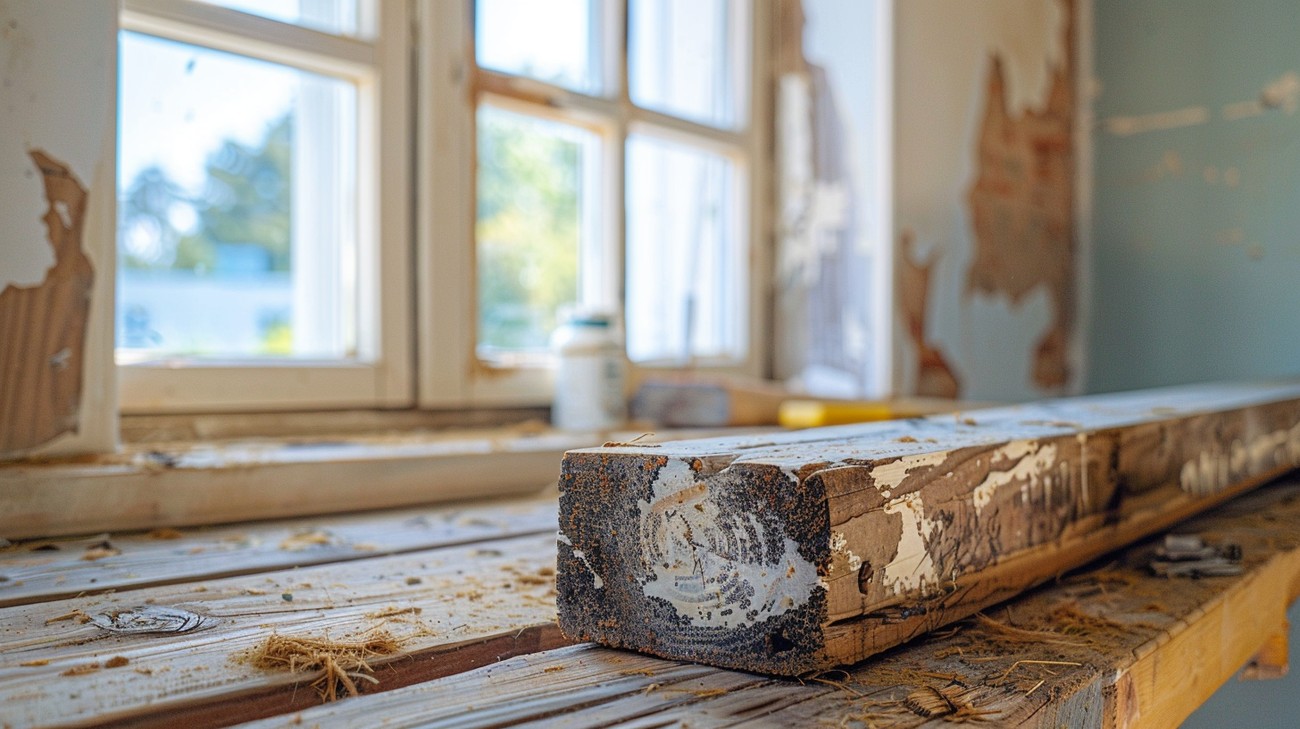
Essential Tips for Effective Dry Rot Prevention
January 17th, 2026 by GotRot
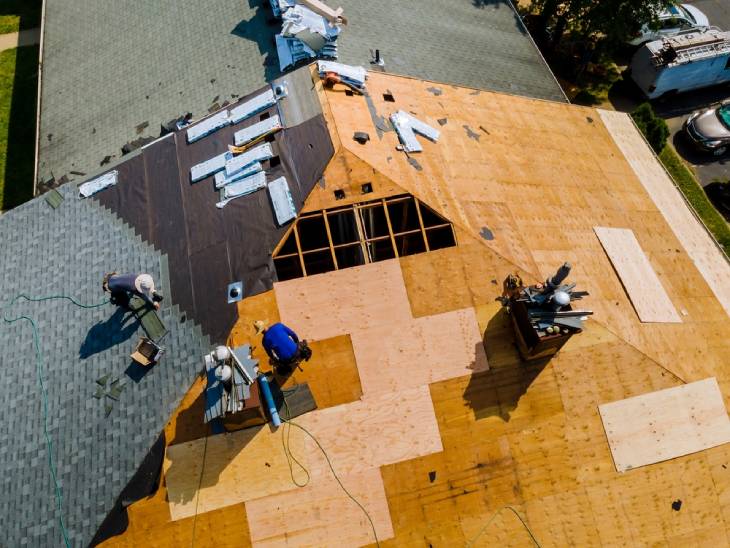
What Damage Can a Leaking Roof Cause?
April 15th, 2024 by GotRot
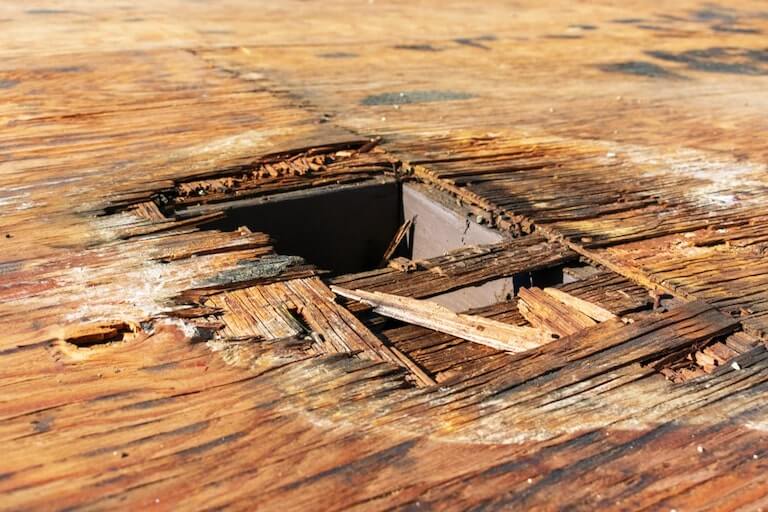
How Dangerous Is Dry Rot?
March 11th, 2024 by GotRot

Start Your Seattle, WA Dry Rot Repair Journey Today!
Ensure your home's health with professional dry rot repair in Seattle, WA. Get a free consultation today!
Projects Done
Experience
Warranty