
How to Clean a Wood Deck: Step-by-Step Guide
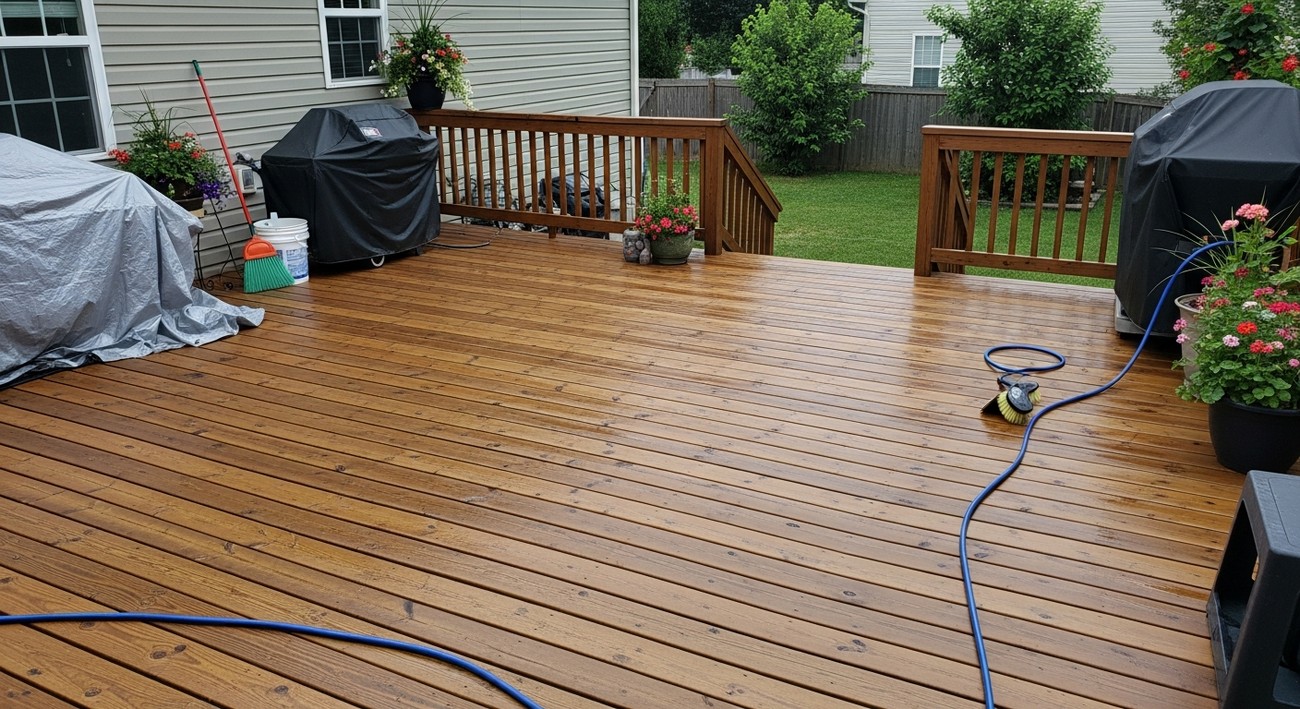

Maintaining a wood deck adds value to your home, enhances outdoor living, and extends the deck's lifespan. However, exposure to the elements can leave your deck looking worn and dirty. Regular cleaning is crucial to preserve its beauty and functionality. This guide explores the steps, tips, and best practices for cleaning a wood deck.
Understanding Wood Deck Materials
Before diving into the cleaning process, it's important to know what kind of wood you're dealing with. Common deck materials include cedar, redwood, pressure-treated lumber, and hardwoods like Ipe. Each type requires slightly different care to optimize cleaning results without damaging the wood.
Why Regular Deck Cleaning is Essential
It's not just about aesthetics. Cleaning extends your deck's life by removing grime, mold, mildew, and stains that can cause wood to deteriorate. Regular maintenance prevents costly repairs and ensures a safe environment by reducing slip hazards.
Tools and Materials Needed
Having the right tools makes the job easier and more effective. Here's a checklist of what you'll need:
- Brass-bristle brush: Gentle on wood but effective at cleaning.
- Garden hose with a high-pressure nozzle or pressure washer: For rinsing away dirt and debris.
- Bucket: To mix and hold cleaning solutions.
- Deck cleaner: Choose a wood-friendly cleaner.
- Broom: To clear away loose debris before cleaning.
- Protective gear: Gloves and eyewear to safeguard against chemicals.
- Scrub brush: For stubborn stains and hard-to-reach areas.
Preparing Your Deck for Cleaning
Before you start scrubbing, preparation is key. Follow these steps:
- Remove furniture and plants: Clear the deck of all movable items to provide full access and prevent damage.
- Sweep the deck: Use a broom to remove leaves, twigs, and loose debris.
- Inspect for damage: Check for loose nails, boards, or any areas needing repair. Address these issues to prevent further damage.
Choosing the Right Cleaner
Selecting a cleaner depends on your deck's specific needs:
- General cleaner: Suitable for mild dirt and routine cleaning.
- Stain remover: Effective against deep-set stains and discoloration.
- Mildew remover: Useful for decks in damp, shaded, or humid environments.
Opt for eco-friendly products to minimize environmental impact.
Step-by-Step Wood Deck Cleaning
1. Mix and Apply Cleaner
- Mix the cleaner with water following the product instructions.
- Apply the solution with a pump sprayer or large brush, covering every board evenly.
2. Let the Cleaner Sit
- Allow the cleaner to soak for 10-15 minutes. This dwell time helps break down dirt and grime without vigorous scrubbing.
3. Scrub the Deck
- Use a brass-bristle brush to scrub in the direction of the wood grain. Focus on heavily soiled areas and any stains.
4. Rinse Thoroughly
- Use a garden hose with a high-pressure nozzle or a pressure washer. Ensure all cleaner residues are washed off to prevent future damage.
5. Dry Naturally
- Allow the deck to dry completely. This can take 24-48 hours depending on the weather and sun exposure.
Post-Cleaning Maintenance
After cleaning, regular maintenance is key to keeping your deck pristine.
- Furniture placement: Reposition furniture periodically to prevent uneven wear.
- Seal or stain: Consider applying a wood preserver, sealer, or stain once the deck is dry to shield it from weather damage.
- Routine Cleaning: Sweep and hose down your deck every two weeks, especially during heavy pollen seasons.
Common Mistakes to Avoid
- Pressure washing pitfalls: Excessive pressure can damage wood. Keep the nozzle moving and at a safe distance.
- Wrong cleaner type: Using household bleach or ammonia can harm the wood and surrounding plant life.
- Skipping repairs: Ignoring minor wood damage can lead to bigger, costlier problems.
Tips for Long-term Deck Care
To ensure your deck remains in tip-top condition year-round, consider these best practices:
- Seasonal inspections: Twice a year, check for signs of rot, warping, or loose boards.
- Regular sweeping: Prevent moisture buildup and mold by removing debris promptly.
- Shade and water management: Trim nearby trees and shrubs to promote drying and sunlight exposure.
How to Clean a Wood Deck: FAQ
What are the basic steps to clean a wood deck?
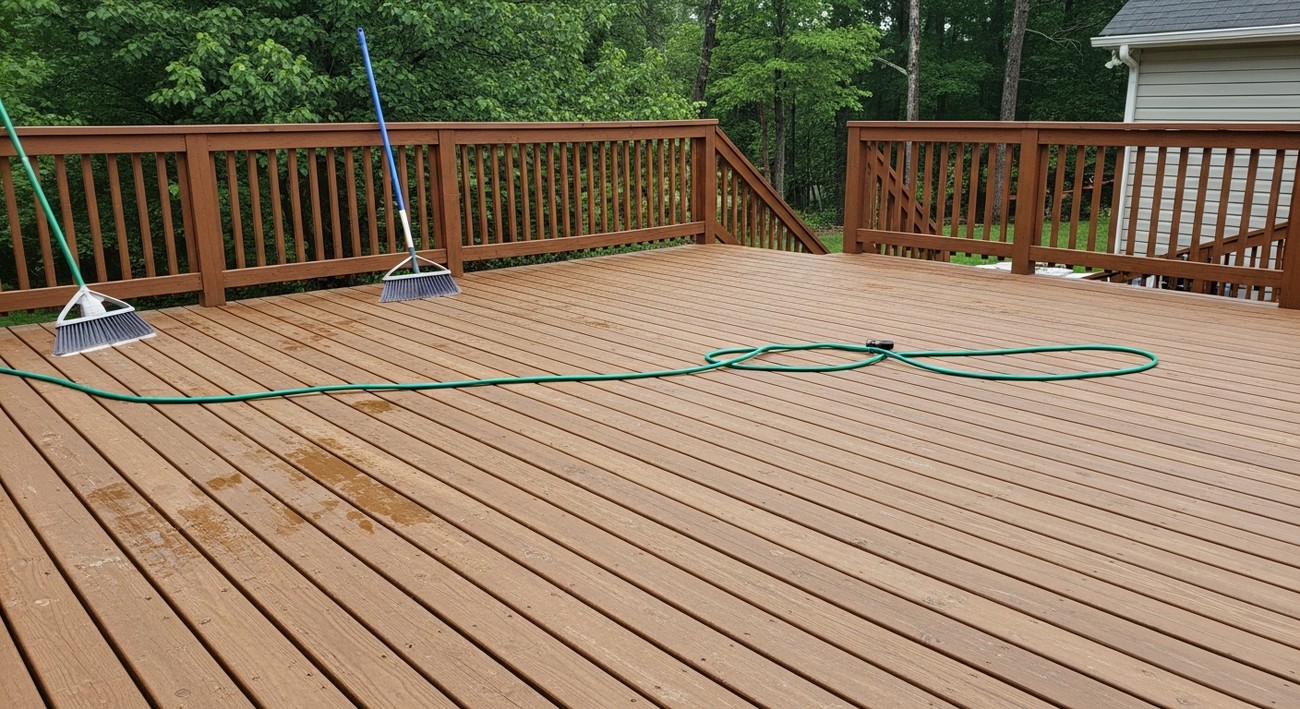
To clean a wood deck, start by clearing the deck of any furniture, planters, or debris. Use a broom or leaf blower to remove loose dirt and leaves. Make a cleaning solution by mixing water with a wood deck cleaner or a mild detergent. Use a stiff-bristle brush or a pressure washer on a low setting to scrub the deck thoroughly with the solution. Don't forget to rinse the deck with clean water to remove any soap residues. Let the deck dry completely before placing furniture back.
How often should I clean my wood deck?
Regular maintenance is key to keeping your wood deck looking great. It's recommended to clean a wood deck at least once annually, typically in the spring, to prepare for the outdoor season. However, if you live in a region with heavy rainfall or if the deck is under a lot of trees, you might need to clean it more frequently. Keeping an eye on dirt build-up and any signs of mold can help determine the necessary cleaning frequency.
Is it necessary to sand a wood deck after cleaning?
Sanding a wood deck after cleaning is not always necessary, but it is highly recommended if the deck has splinters, uneven patches, or if you plan to apply a stain or sealant. Cleaning can raise the wood grains, and sanding smooths them out, ensuring a uniform finish. Use sandpaper with a grit between 60 to 80 and sand along the grain of the wood to prevent damage.
Can I use a pressure washer on my wood deck?
Yes, you can use a pressure washer to clean a wood deck, but caution is advised. Use a pressure washer on a low-pressure setting, ideally around 500 to 600 psi, to avoid damaging the wood's surface. Keep the nozzle at least two feet away from the deck and move it in broad, sweeping motions. Test the pressure on an inconspicuous area first to ensure it doesn’t strip or etch the wood.
What types of cleaning solutions are best for a wood deck?
There are several cleaning solutions you can use for a wood deck. Commercial wood deck cleaners are widely available and typically offer the best results, as they are specifically formulated to combat mildew, algae, and dirt. For a DIY approach, mix one gallon of water with a cup of baking soda or white vinegar to create an environmentally friendly cleaning solution. Avoid using bleach or ammonia, as these can damage the wood.
How do I remove mold and mildew from a wood deck?
To remove mold and mildew from a wood deck, use a solution of water and white vinegar or a commercial mold and mildew deck cleaner. Apply the solution generously over the affected areas and let it sit for at least 15 minutes to penetrate the roots of the mold. Scrub the area with a stiff-bristle brush or a scrub pad. Rinse thoroughly with clean water to remove all traces of the cleaner. Repeat the process for stubborn mold spots.
Are there specific cleaning tools that are recommended for wood decks?
Yes, there are several tools that make cleaning a wood deck easier and more effective. A stiff-bristle brush is essential for scrubbing, especially in corners and edges. A pressure washer can be used for a deep clean when used correctly. A soft-bristle broom or a leaf blower can remove loose debris quickly. Always have a garden hose handy to rinse away cleaning solutions and debris.
How long does it take for a wood deck to dry after cleaning?
Drying time can vary based on weather conditions and the size of your wood deck. In general, it takes 24 to 48 hours for a deck to dry completely after cleaning. Sunlight and warm temperatures will expedite the drying process, while humidity and cooler temperatures will extend it. Make sure the deck is fully dry before re-staining or sealing to ensure the best results.
Can I use household bleach to clean my wood deck?
Using household bleach to clean a wood deck is not recommended. Bleach is a harsh chemical that can strip the wood’s natural color and damage its fibers. It can also harm surrounding vegetation. If mold or mildew is severe, opt for oxygen bleach or a deck cleaner specifically formulated for mold removal. These are effective without the risk of damaging the deck or the environment.
What is the best time of year to clean a wood deck?
The best time to clean a wood deck is typically during spring when the weather begins to warm up and dry out. This timing will prepare the deck for summer use. Fall is also a good time, right before the cold season sets in. Choose a dry day with mild temperatures to ensure proper cleaning and drying conditions. Avoid cleaning during rainy or highly humid days.
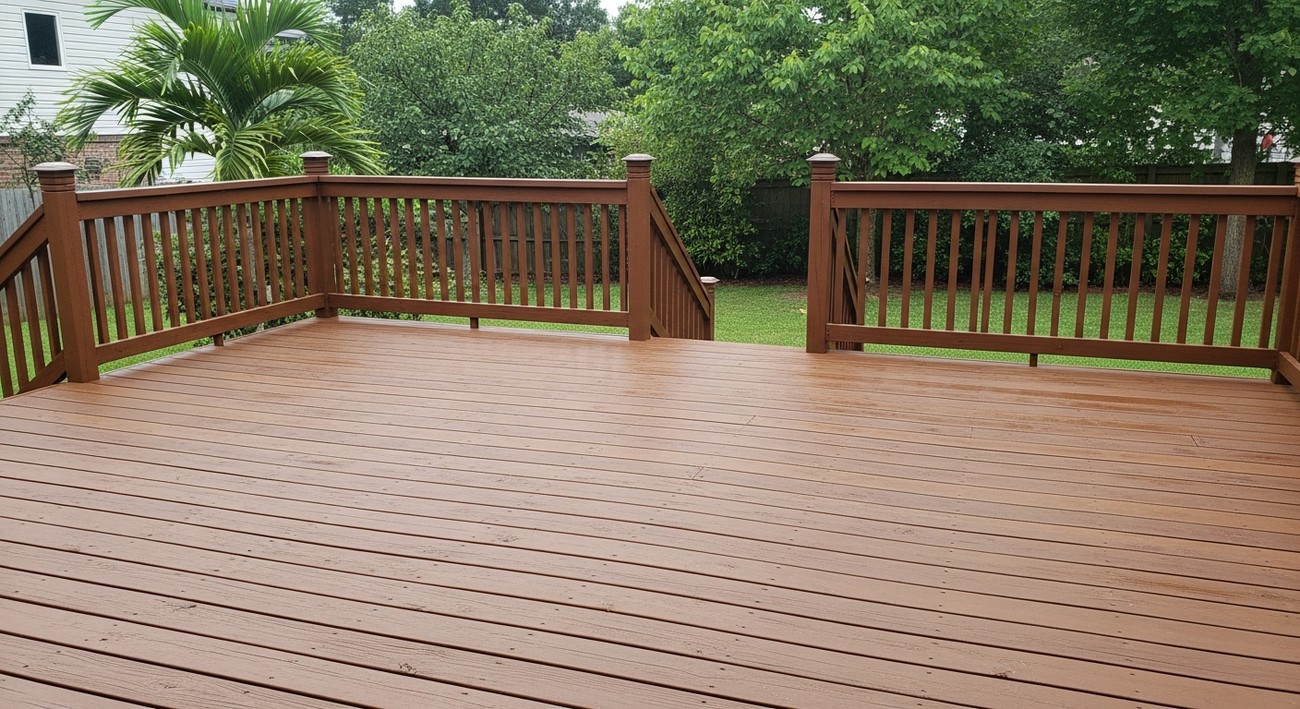
Step-by-Step Guide
Tools/Materials Needed
- Broom
- Hose with a spray nozzle
- Stiff bristle brush or deck scrub brush
- Bucket
- Wood deck cleaner
- Power washer (optional)
- Safety goggles and gloves
- Tarp or plastic sheeting
- Garden sprayer (optional for applying cleaner)
Preparation Steps
Check the Weather: Choose a day that is dry and mild for cleaning your deck. Rain can wash away the cleaner before it works, and a hot, sunny day can dry it too quickly.
Clear the Deck: Remove all furniture, grills, plants, pets, and any other items from the deck to ensure every inch is accessible and you won’t damage or stain any belongings.
Sweep Thoroughly: Use a broom to remove loose dirt, debris, and leaves from the deck surface. Pay attention to the spaces between the boards.
Protect Surrounding Areas: Use a tarp or plastic sheeting to cover nearby plants and lawn. The chemicals in the deck cleaner can harm them.
Detailed Instructions
Rinse the Deck: Use a hose to give your deck a good rinse, removing any remaining loose dirt. If you have a power washer, you can use it on a low setting to avoid damaging the wood.
Mix and Apply Cleaner:
- Read the instructions on your wood deck cleaner to ensure the correct mixing ratios.
- Pour the cleaner into a garden sprayer or a bucket. Wearing gloves and goggles, apply the cleaner evenly over the surface of the deck.
- Allow the cleaner to sit on the wood for 10-15 minutes. Do not let it dry out; you might need to occasionally mist it with water.
Scrub the Deck: Using a stiff bristle brush or a deck scrub brush, scrub the surface in the direction of the wood grain. Give extra attention to heavily soiled areas and spots with mildew or mold.
Rinse Thoroughly: Once you've scrubbed the deck thoroughly, rinse it off with clean water from your hose. Make sure to remove all the soap and dirt residues.
Inspect and Spot Clean: Check for any leftover dirt or stains. You may need to reapply the cleaner to these spots and scrub again.
Allow the Deck to Dry Completely: It is essential to let the deck dry thoroughly, usually 24-48 hours, before placing anything back on it. This ensures no mold or mildew will grow under the furniture.
Tips for Success
- Start Early: Begin the cleaning process in the morning, giving you ample daylight to finish and allowing time for the deck to dry.
- Routine Maintenance: Sweep your deck regularly and consider cleaning twice a year, in spring and fall.
- Test the Cleaner: Before applying the cleaner to the entire deck, test it on a small, inconspicuous area to ensure it does not bleach or damage the wood.
- Follow the Grain: Always scrub the wood in the direction of the grain to prevent scratches.
What to Do If Something Goes Wrong
- Over-Wet Deck: If you over-wet the deck and the wood starts to warp, avoid using the deck until it fully dries. This can take several days depending on the weather. Arrange for airflow to speed up the drying process.
- Stubborn Stains: If stains remain after cleaning, try applying a vinegar and water solution (1:1 ratio) to the stains and scrubbing again. Rinse thoroughly.
- Wood Damage: If you notice areas where the wood seems damaged or soft, it might be time to consider repairs. Consult with a professional for assessment and repair.
- Inconsistent Color: Wood may appear discolored immediately after cleaning; usually, this evens out once the deck is fully dry. If there's a noticeable difference, a deck stain or sealer may help level it out.
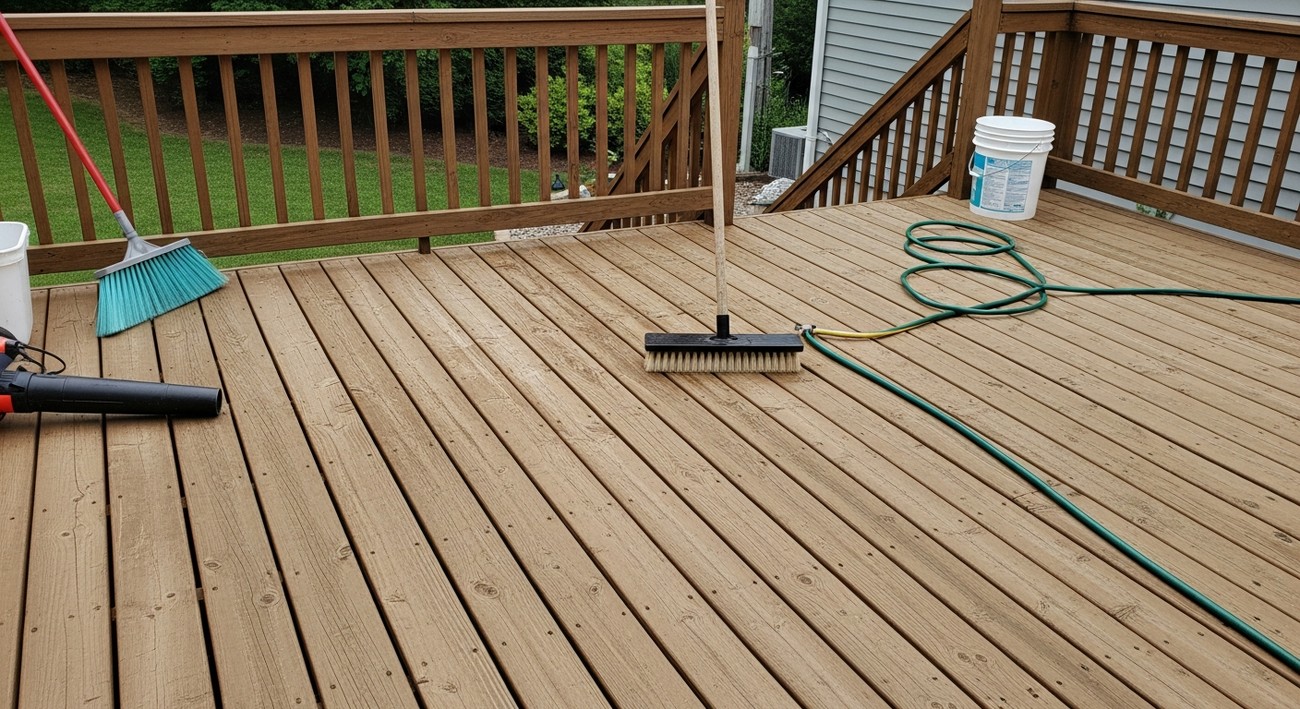
Common Mistakes to Avoid
1. Using a Pressure Washer on High Setting
Why this happens: Power washing can be an alluring shortcut. Many believe that a higher setting will clean the deck more efficiently.
How to avoid it: Always start with the lowest pressure setting. Use a fan tip spray nozzle to gently clean the wood without causing damage.
What to do if you’ve already made the mistake: If you've gouged the wood, gently sand the affected areas to smooth out the surface. You may need to reapply a finish to restore the wood's appearance.
Expert recommendations: Opt for a deck cleaning solution and a soft-bristle scrub brush for a less abrasive method that also protects the wood.
2. Skipping the Cleaning Solution
Why this happens: In a rush, some might think water alone can suffice, especially if the deck doesn't seem overly dirty.
How to avoid it: Incorporate a specialized wood deck cleaner into your routine. This ensures you remove dirt, grime, and potential mold buildup that water alone can't handle.
What to do if you’ve already made the mistake: Apply a deck cleaning solution now, and follow up with a thorough rinse. Let the deck dry before judging whether further treatment is necessary.
Expert recommendations: Choose a cleaner that's compatible with your type of wood, and always follow the manufacturer's instructions for best results.
3. Ignoring Weather Conditions
Why this happens: With busy schedules, it’s tempting to clean your deck whenever you have free time, regardless of the weather.
How to avoid it: Pay attention to the weather forecast! Choose a dry, mild day to clean your deck to avoid rapid evaporation or mold growth in case of rain.
What to do if you’ve already made the mistake: If rain follows immediately after cleaning, you might need to redo the cleaning once the deck dries off properly.
Expert recommendations: Clean your deck in the morning or late afternoon when the sun isn’t at its peak to prevent cleaners from drying too quickly.
4. Failing to Protect Nearby Plants and Furniture
Why this happens: It’s easy to focus solely on the decking itself and overlook nearby areas.
How to avoid it: Before starting, cover plants and move or cover furniture. Securely tarp landscaping around the deck to shield them from soap and water runoff.
What to do if you’ve already made the mistake: Rinse any affected plants with fresh water immediately to dilute and remove cleaning agents.
Expert recommendations: Use biodegradable cleaning solutions to minimize environmental impact.
5. Not Allowing Enough Drying Time
Why this happens: Eager to use the deck again, many people walk on it or resume setting up furniture too soon after cleaning.
How to avoid it: After cleaning, allow the wood to dry completely. This usually takes at least 48 hours depending on weather conditions.
What to do if you’ve already made the mistake: If the wood is damaged or warped, you might need to sand and refinish those areas once the deck is dry again.
Expert recommendations: Plan your deck cleaning a few days before any social gatherings to give ample drying time.
6. Overlooking Safety Gear
Why this happens: Many believe that deck cleaning doesn’t require much protection beyond perhaps a pair of gloves.
How to avoid it: Wear safety goggles, gloves, and a mask, especially when handling chemical cleaners and if using a power washer.
What to do if you’ve already made the mistake: Ensure you've rinsed thoroughly, and ventilate the area well. For future cleaning, prioritize your protection by dressing appropriately.
Expert recommendations: Safety first! Set aside any risky shortcuts and equip yourself adequately before starting.
7. Neglecting Regular Maintenance
Why this happens: Busy lifestyles often lead to deferred deck maintenance, resulting in increased buildup of grime.
How to avoid it: Create a maintenance schedule for seasonal checks and light cleanings to keep your deck in tip-top shape.
What to do if you’ve already made the mistake: Commit to a deep cleaning and set reminders for quarterly upkeep.
Final Thoughts
Cleaning a wood deck doesn't have to be a daunting task; with the right tools and techniques, you can restore its beauty and longevity. Remember to start with a thorough sweep to remove debris, then proceed with a suitable cleaner and a gentle scrub to ensure you protect the wood's natural finish. Depending on the climate we experience here in Seattle, WA, regular maintenance can help stave off mildew and keep your deck looking its best year-round.
If this sounds like a lot of work or if you're unsure where to start, we're here to help. At GotRot, we pride ourselves on being the trusted local expert for deck care, serving homeowners in Seattle, WA, with quality service and advice. Feel free to reach out to us for a consultation or to request a free estimate—let's make your deck sparkle again!
Ready to start your project?
Get a free consultation from our experts.


