Termite Damage vs. Wood Rot: How to Tell the Difference
Wood can become damaged for many reasons. Today, I’ll explain how termites and rot damage wood and how to tell the difference.
Quick Takeaways:
- Hollow galleries in wood do not always mean termites, so a thorough inspection is necessary
- Rot does not create galleries inside wood. It breaks down the wood itself
- Termites and rot can affect the same wood, so you may need to address both problems
What Termite Damage Looks Like
Termite damage can be mistaken for other problems because termites eat wood from the inside while leaving the surface looking normal. Other insects and rot can cause similar signs, so a professional assessment is important. Termite damage often remains hidden until the framing is opened, even when the surface still appears intact. The damage will look different depending on the termite species. For example, Pacific dampwood termites prefer wet wood and often leave pellet-like droppings inside their galleries.
What Wood Rot Looks Like
Rot is caused by fungi that break down wood and reduce its strength after it has remained wet for a long time. Homeowners often use the term dry rot, but this type of fungal decay still requires moisture to develop. Unlike termites, fungi do not create galleries. They destroy the structure of the wood itself and change its properties. There are different types of rot, and each breaks down wood differently. White rot, for example, leaves the wood lighter and more fibrous, while brown rot darkens it and causes it to break into blocky pieces. It is also important to understand that rot can reduce the wood’s properties before any visible damage appears.
Termite Damage vs. Wood Rot: Key Differences
The key differences between termite damage and rot are easier to see when you understand how each one affects the wood.
What to Check | Termite Damage | Wood Rot |
|---|---|---|
Inside the wood | Organized galleries or hollow sections | Wood breaks down throughout the affected area |
Texture | Wood may look intact around the tunnels | Wood may feel soft, fibrous, or crumbly |
Other signs | Mud tubes, pellets, or termites | Blocky cracks or widespread deterioration |
Moisture | Some termites prefer damp wood, while subterranean termites get moisture from soil | Wood rot usually develops after the wood stays wet |
Cause | Termites consume or excavate the wood | Fungi break down the wood itself |
Where Termite Damage and Wood Rot Usually Show Up
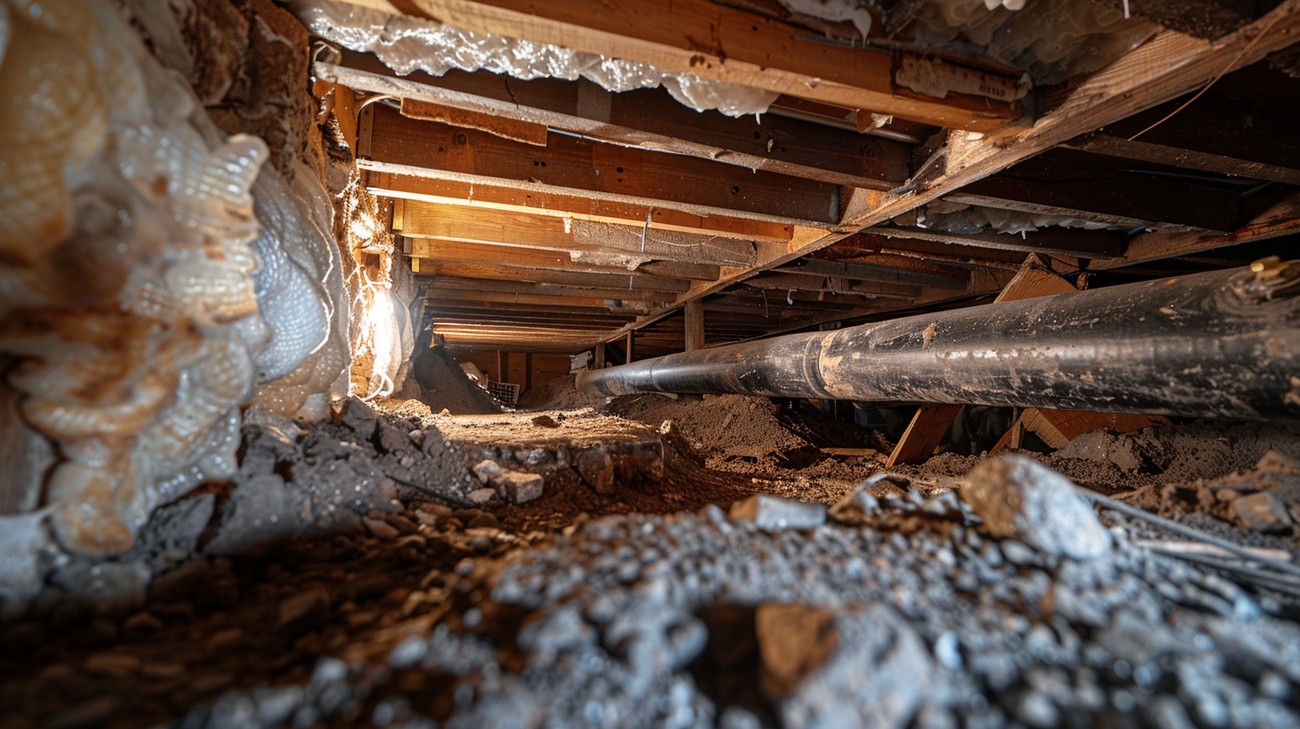
Subterranean termite colonies live in the soil, so pay close attention to crawl spaces and areas around the foundation. Wood that comes into contact with the ground is another risk because rain can leave it vulnerable to both rot and termites. Rot can develop in more places because any wood that repeatedly gets wet and cannot dry is at risk, including the areas around windows.
How to Check Damaged Wood
If the area is safe, gently test exposed wood with a screwdriver. Soft or crumbling wood may indicate decay, while termite-damaged wood may contain galleries beneath a surface that still appears intact. This test cannot confirm the cause, so suspected termite activity should be evaluated by a qualified pest professional.
Can Termites and Wood Rot Affect the Same Area?
Yes, especially in Western Washington. Dampwood termites are drawn to very wet or decaying wood, so the same leak that causes rot can also create a place for termites to live.
How to Prevent Termite Damage
There are two main ways to address termites: treatment and removing the moisture source. That is why identifying the termite species matters. If dampwood termites are living in wet wood, treatment alone will not solve the problem. You need to repair leaking gutters and eliminate the excess moisture. If termites are entering from beneath the house, a licensed pest control professional may need to identify the species and treat the infestation.
How to Prevent Wood Rot
Wood rot develops because of excess moisture, so the best prevention is keeping wood dry. Pay close attention to places where water tends to collect because cosmetic patches will not solve the problem unless you fix the source. Check window openings, roof details, deck connections, and basement or crawl-space areas. Removing excess moisture can also help prevent dampwood termites.
Real Wood Rot Repair Case in North Kenmore, WA
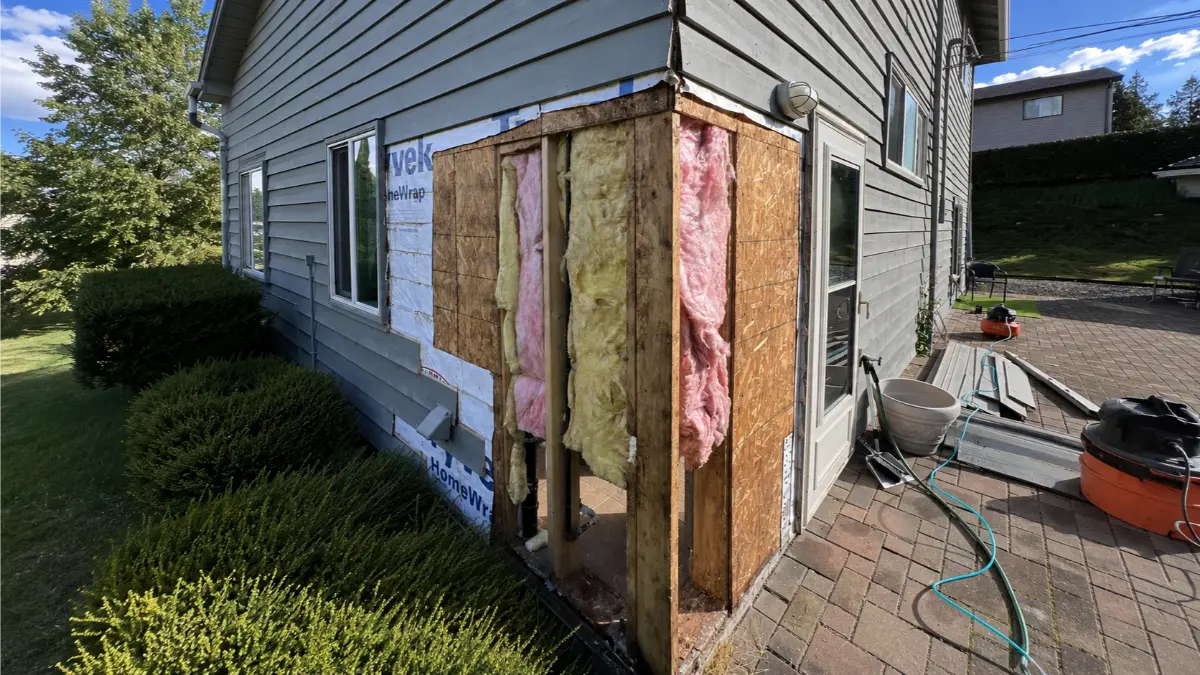
Our North Kenmore project is a good example of why visible damage rarely tells the full story. The full extent of the framing damage became visible after the area was opened. This is why we do not stop at the first damaged board or replace everything around it. We find the full boundary of the affected wood, remove what has lost its strength, and keep the sound framing in place. You can see the full frame rot repair here.
Not Sure If It’s Termite Damage or Wood Rot?
GotRot helps homeowners across King and Snohomish counties locate moisture-related building damage and repair affected framing. A licensed pest professional should identify and treat an active termite infestation, while GotRot handles the moisture source and structural repair. The two scopes should be coordinated because emergency stabilization may be needed before pest treatment is complete.
Call GotRot at (206) 990-0303 or request a free estimate through our website. We can assess the visible wood damage and explain what may need to be opened or repaired. Suspected termite activity should be evaluated by a qualified pest professional.
FAQ
Can you stop wood rot once it starts?
Yes, but the moisture source has to be fixed first. Rotted or structurally weakened wood usually needs to be removed or repaired, while surrounding sound wood should be allowed to dry and protected from further moisture.
What can be mistaken for termite damage?
Wood rot can sometimes be mistaken for termite damage because both problems can weaken wood and remain hidden behind an intact surface. Carpenter ants, moisture damage, and other wood-destroying insects can also create similar signs, so the cause should be identified before repairs begin.
What are the early signs of termite damage?
Early signs can include hollow-sounding wood, small holes, discarded wings, mud tubes, or wood that breaks easily despite looking normal on the surface. Some termite activity stays hidden inside walls or framing, so visible damage may appear only after the infestation has progressed.
Why Is Understanding the Difference Between Termite Damage and Wood Rot Important?
Understanding the difference matters because termite activity requires evaluation and treatment by a qualified pest professional, while wood rot repair begins with correcting the moisture source and assessing the damaged framing. Both problems can occur in the same area, so finding rot does not rule out termite activity.
Ready to start your project?
Get a free consultation from our experts.