How to Find a Roof Leak Fast: Step-by-Step Guide for Homeowners
Many homeowners ask how to tell whether they have a roof leak or a different moisture problem. We deal with this often, so I’ll explain how to tell the difference.
Quick Takeaways:
- A roof leak is not always obvious, so do not ignore less visible warning signs
- The leak may not be above the stain because water can travel inside walls
- Soft or deteriorated wood after a roof leak may require professional inspection and structural repair
How to Tell If You Have a Roof Leak
Moisture can be misleading because it may leave stains on walls, causing homeowners to worry that they have a roof leak. This is likely the case if the stain becomes more noticeable when it rains. If it does not change, condensation or another moisture issue may be the cause. The signs of a roof leak are not always obvious, so pay attention to bubbling paint, damp insulation, darkened wood, dripping, or a musty smell after rain. Damaged shingles and blocked drainage are among the common causes of roof leaks.
Step-by-Step Roof Leak Detection for Seattle-Area Homes
I’ve put together a safe, step-by-step process to help you confirm whether you have a roof leak and find the source:
Step 1: Check the Ceiling and Walls
The first thing you should do is photograph any stains on the walls and ceilings, both inside and outside the house. This will help you track whether they change when it rains and give professional useful information if you need an inspection later.
Step 2: Inspect the Attic During or After Rain
Inspect the attic only from a stable access platform or installed walkway. Use a flashlight to look for wet insulation, stained roof decking, or water trails. Leave the inspection to a professional if there is no safe walking surface.
Step 3: Look for Wet Roof Decking and Framing
Look for dark, damp wood, old stains, or soft areas on the underside of the roof. Follow these marks uphill because water may travel along rafters or other framing before it drips. A moisture meter can help tell an old stain from active moisture. Compare the affected area with nearby dry wood instead of relying on one reading.
Step 4: Check Flashing, Vents, and Other Roof Openings
Inspect the part of the roof that lines up with the moisture path indoors. Look for damaged shingles and loose fasteners, then check the roof valleys and flashing around roof openings. Leaks are more likely to start at these transitions than in the middle of an intact roof. On a flat roof, also check drains, seams, and areas where water collects. Do not climb onto a steep or wet roof, especially when moss is present. If you cannot safely access the roof, schedule a professional roof inspection to determine whether the problem needs a local repair or a larger roof replacement.
Step 5: Have the Suspected Area Tested
A controlled water test may help find a leak when visual inspection does not reveal the source. Have a roofing professional perform the test with a garden hose, applying water gradually without forcing it beneath shingles or flashing. Stop the test immediately if water begins entering the building. Once the entry point is confirmed, the contractor can fix the leak without opening more of the roof than necessary.
How to Find a Roof Leak When You Cannot Access the Attic
Some homes have no accessible attic, which can make it harder to trace a leaking roof. In that case, compare the indoor damage with the roof above it. Look for roof openings or damaged materials uphill from the stain.
Tools That Can Help Locate a Hidden Roof Leak
Here is a list of tools that can help homeowners locate a roof leak:
- Flashlight
- Phone camera
- Painter’s tape
- Binoculars
Tools like a thermal camera or borescope can be useful for investigating hidden leaks, but they are best left to a professional.
How to Temporarily Stop a Roof Leak
Temporary measures can limit the damage, but they do not fix a roof leak. Move your belongings away from the leak and place a container under the drip. Stay away from water near electrical wiring, fixtures, or equipment. Shut off the affected circuit only if the electrical panel and the path to it are completely dry and safe to access. Otherwise, leave the area and call an electrician or emergency service. Avoid improvised DIY roof repairs, such as covering every suspected opening with roofing cement, because they can hide the real problem and trap moisture. Temporary patches may stop the drip, but the roof still needs a proper roof repair.
How to Prevent Roof Leaks and Moisture Damage
Keep gutters clear because a clog can cause rainwater to back up toward the eaves. Check the flashing around roof openings and watch for damaged shingles. I recommend inspecting an older roof before the fall rains and after strong storms. Small problems are easier to repair before water reaches the ceiling. Remove moss carefully because pressure washing can damage asphalt shingles and the roof surface. Trim branches that scrape the roof or fill the gutters with debris. Check the attic during the rainy season when it is safe to enter. Fresh moisture is much easier to address before it causes hidden water damage and wood rot.
Hidden Wood Rot Repair Case in North Kenmore, WA
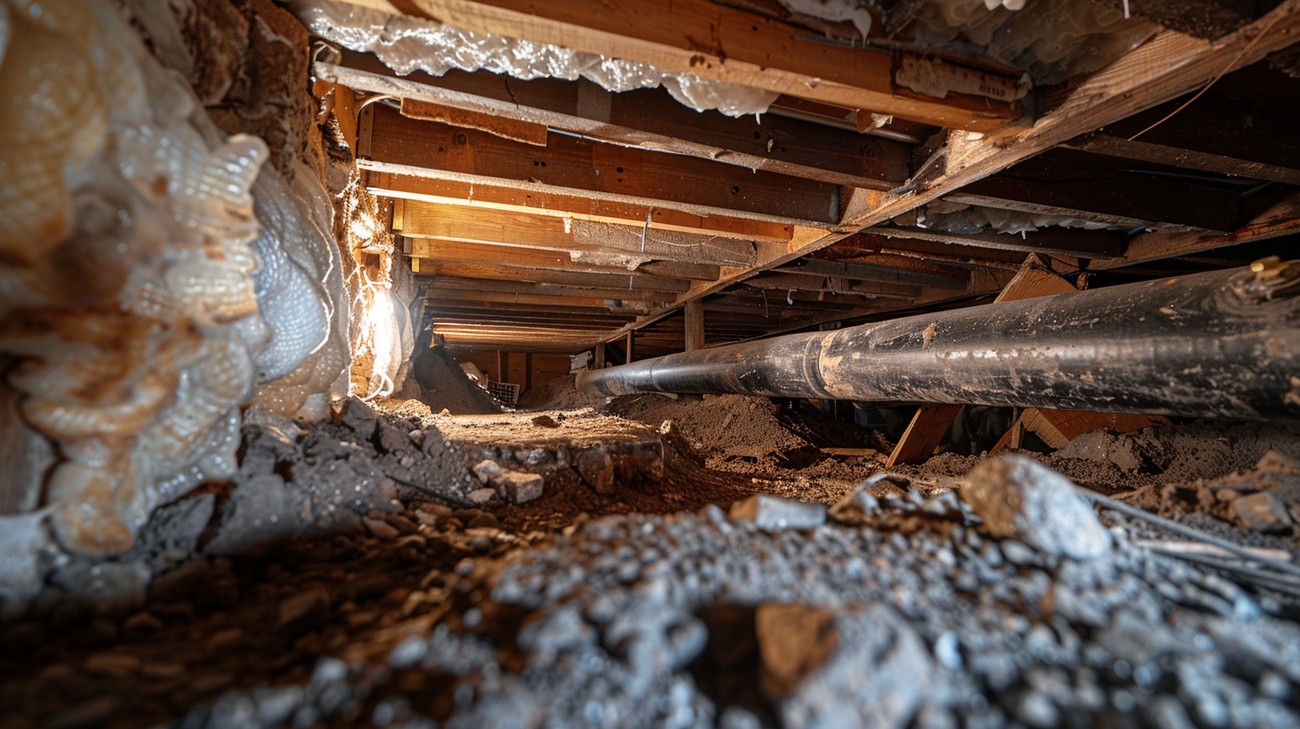
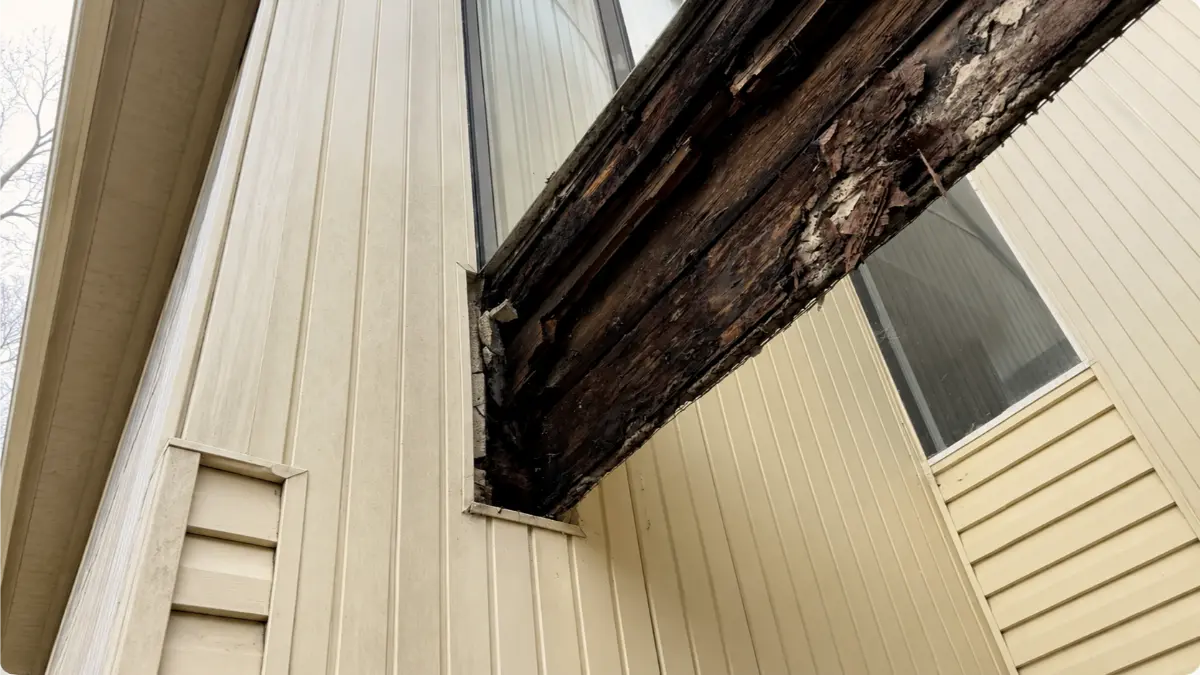
Our North Kenmore frame rot repair is useful here because it shows what homeowners normally cannot see from the finished side of a wall or roof assembly. Once the area was opened, the condition of the framing became visible and the repair could follow the actual extent of the damaged wood. That is the connection to roof leaks. Water may enter through a small exterior defect but travel behind roofing, siding, or interior finishes before anyone notices it. By the time a stain or soft spot appears, the repair may involve sheathing or framing rather than just the original leak point.
You can see the actual North Kenmore project here.
Found Hidden Wood Damage After a Roof Leak? Get a Free Estimate
If you found soft wood, staining, or damaged framing after a roof leak, call GotRot at (206) 990-0303 or request a free estimate through our website. We serve homeowners across King and Snohomish counties and can inspect the affected area, trace the moisture damage, and determine what actually needs to be repaired.
FAQ
What can I do if I can't find a roof leak?
Check the attic for wet insulation, stained sheathing, damp framing, or water trails. Mark the edge of each water stain with painter’s tape so you can see whether it spreads during the next rain. If water travels along rafters, the leak can become visible far from the entry point, so the ceiling stain may not be directly below the problem. Water can also follow part of a roof truss before reaching the insulation or ceiling below. The visible moisture can help narrow down the source of a roof leak, but it does not always identify the exact entry point. The place where water enters the roof may be several feet away from the visible damage. If you still cannot find the leak, arrange a professional inspection rather than removing large sections of the ceiling.
Does homeowners insurance pay for a leaky roof?
It may, if a sudden covered event caused the leak. Insurance usually does not pay for leaks caused by an aging roof, wear, deferred maintenance, or gradual deterioration.
When should I call a professional roofer for a leak?
Call a professional when you see active leaking, damaged roofing, failed flashing, or signs of moisture in the attic. You should also have the area inspected after significant wind or falling-branch damage, especially if the roof is older. A roofer can check common leak sources that may not be visible from the ground.
How can I temporarily stop a roof leak?
If you notice a new stain on the ceiling, move belongings away from the affected area and watch for active dripping. Move belongings away from the water and use buckets to limit interior damage. Temporary tarping or emergency stabilization may help, but avoid climbing onto a wet, steep, icy, or storm-damaged roof yourself.
How can I prevent future roof leaks?
Have the roof inspected regularly, keep gutters and downspouts clear, and repair damaged flashing or roofing materials before water gets inside. Pay close attention to roof vents, skylights, chimneys, valleys, and other roof transitions where leaks often begin. During freezing weather, an ice dam may prevent melting snow from draining and force water beneath the roofing.
Ready to start your project?
Get a free consultation from our experts.