


Water leaks can be a frustrating and often costly problem for homeowners. Understanding the causes of water leaks can prepare you for potential emergencies and help you take preventative measures. This comprehensive guide will delve into the various causes of water leaks, shedding light on how these issues arise and what can be done to mitigate them.
Common Indoor Water Leak Causes
Water leaks inside the home can lead to significant damage if not addressed promptly. Here are some common indoor causes:
Pipe Corrosion
Pipes, like any other home component, have a lifespan. Over time, pipes can corrode due to chemical reactions between the metal and water, especially if the water is acidic or contains minerals. Aging pipes are particularly susceptible to corrosion, leading to fractures or complete pipe failure.
High Water Pressure
While strong water pressure might feel like a treat during showers, it can stress your pipes. If the pressure is consistently high, this can cause your plumbing system to experience strain, ultimately leading to leaks. Monitoring and maintaining a safe water pressure level can prevent such issues.
Clogged Lines
Clogs can form in your water lines due to the accumulation of grease, hair, or other debris. If these clogs are not cleared, the backed-up water can increase pressure inside the pipes, potentially leading to leaks or bursts.
Exterior Influences Leading to Leaks
Water leaks aren't confined to the interior of your home. External factors can cause significant issues as well.
Foundation Shifts
Homes settle over time, and this movement can affect your plumbing. Shifts or cracks in your foundation can place stress on pipes, leading to leaks. This is particularly common in areas prone to earthquakes or with clay-rich soil that expands and contracts.
Tree Root Invasion
Tree roots naturally seek moisture, and your pipes are an attractive source. Roots can wrap around pipes or even penetrate them, causing severe leaks or blockages. Regular inspections can detect root invasion early, allowing for timely intervention.
Weather Conditions
Severe weather changes, especially freezing temperatures, can cause water in pipes to freeze, expand, and create cracks. Thawing then leads to leaks. Insulating pipes exposed to frigid temperatures can prevent this type of damage.
Appliance-Related Water Leaks
Sometimes, the source of a leak isn't the plumbing but the appliances connected to it.
Faulty Appliances
Washing machines, dishwashers, and water heaters are common culprits. Over time, hoses and valves can depreciate or become faulty, leading to leaks. Regular maintenance and inspection can catch these problems early.
Improper Installation
A poorly installed appliance can lead to a litany of problems, including leaks. Ensuring appliances are professionally installed and correctly connected to water lines minimizes this risk.
Preventative Measures for Water Leaks
Understanding the causes is only one part of the solution. Implementing preventative strategies can save significant hassle and costs.
Routine Inspections
Regular checks of your plumbing system, both inside and outside, can prevent leaks. Look for signs of moisture, mold, or mildew, which often suggest a hidden leak.
Water Pressure Regulation
Install a water pressure regulator to keep your home’s water pressure at an optimal level. This will alleviate the stress on pipes and fixtures, reducing the risk of leaks.
Leak Detection Systems
Investing in a leak detection system can provide early warnings about potential leaks. These systems alert homeowners to the presence of a leak before it causes extensive damage.
Maintenance of Appliances
Keep up with routine maintenance on all water-utilizing appliances. Replace hoses, clean filters, and call for professional servicing when needed.
Immediate Actions Upon Discovering a Leak
If you detect a leak, taking immediate action is crucial to prevent further damage:
- Turn Off Water Supply: Quickly locate and shut off the main water valve to minimize water flow to the leak.
- Contain and Control: Use buckets or towels to contain leaks and prevent water from spreading.
- Professional Assistance: Contact a plumber for professional repairs and assess whether any other parts of your plumbing system are affected.
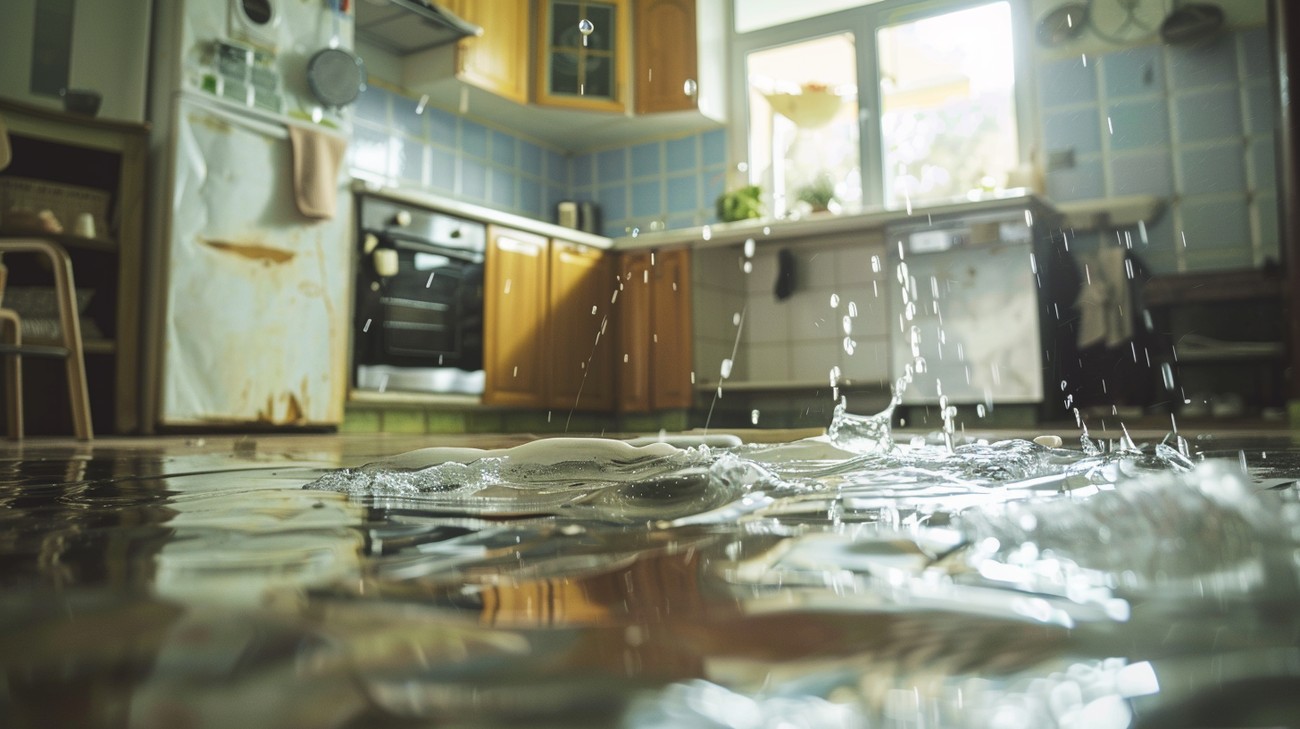
Understanding Water Leak Causes
How can aging pipes lead to water leaks?
Aging pipes are among the most common causes of water leaks. Over time, pipes can corrode, rust, or weaken due to the materials used or exposure to various environmental factors. These vulnerabilities make old pipes prone to cracks and breaks. If left unchecked, these small issues can develop into significant leaks. Regular maintenance and inspection can help identify potential problems before they lead to more severe water damage.
Why do water pressure issues contribute to leaks?
Excessively high water pressure can strain your plumbing system, often leading to water leaks. Pipes and connections are designed to handle a specific pressure range. When the pressure exceeds this threshold, it can cause joints to loosen or pipes to burst. Installing a pressure regulator and monitoring water pressure can prevent such leaks and ensure the longevity of your plumbing system.
What role do temperature changes play in water leaks?
Temperature fluctuations can significantly impact your plumbing system, leading to water leaks. In colder climates, pipes can freeze and expand during winter, potentially causing them to crack and leak once they thaw. Even in warmer climates, drastic temperature changes can stress pipe materials and connections, resulting in leaks. Insulating pipes and maintaining a stable indoor temperature can reduce the risk of such leaks.
Can tree roots really cause water leaks?
Yes, tree roots can be a surprising cause of water leaks. As trees grow, their roots naturally seek out moisture, which makes them gravitate toward the water in your pipes. Over time, the roots can wrap around or penetrate pipes, causing blockages or cracks. This intrusion can lead to significant water leaks. Regular inspection of pipes and strategic removal of invasive roots can help prevent these issues.
Is improper installation a common source of water leaks?
Improper installation is indeed a frequent culprit behind water leaks. If pipes, joints, or connections are not correctly installed, they may not handle water flow efficiently, leading to leaks. This might occur if the wrong materials or techniques are used, or if the installation does not comply with plumbing codes. Ensuring that a qualified professional handles installations can mitigate the risk of leaks from this cause.
How can appliances cause water leaks?
Household appliances such as washing machines, dishwashers, and water heaters can be sources of water leaks. Faulty hoses, loose connections, or worn-out seals can cause these appliances to leak water. Regular maintenance and inspection can help you catch these problems early. Replace old hoses and seals, and ensure appliances are installed and used according to the manufacturer's guidelines to prevent leaks.
What impact do weather events have on causing leaks?
Extreme weather events, such as hurricanes, heavy rainfall, and earthquakes, can lead to water leaks by damaging your home's plumbing infrastructure. Such events can shift soil, putting extra pressure on underground pipes, or cause structural damage that affects water lines. While you can't prevent weather events, understanding their potential impact can help you take precautionary steps, such as reinforcing vulnerable areas and ensuring your home has proper drainage systems.
Why are clogged drains a risk factor for leaks?
Clogged drains can indirectly lead to water leaks by creating excess pressure in the plumbing system. When water cannot flow freely through a pipe due to a blockage, it may cause the pipe to back up, leading to leaks or bursts elsewhere in the system. Regular maintenance, including cleaning drains and using strainers, can keep clogs at bay and protect your home from water leaks.
Can construction or renovation work lead to water leaks?
Indeed, construction or renovation work can inadvertently lead to water leaks. Accidental damage to existing plumbing during renovation—such as drilling into a wall or floor without knowing what's behind it—can cause leaks. Additionally, changes in the structural layout can put undue stress on pipes, leading to future leaks. Hiring experienced professionals who carefully assess the plumbing layout during construction can prevent such issues.
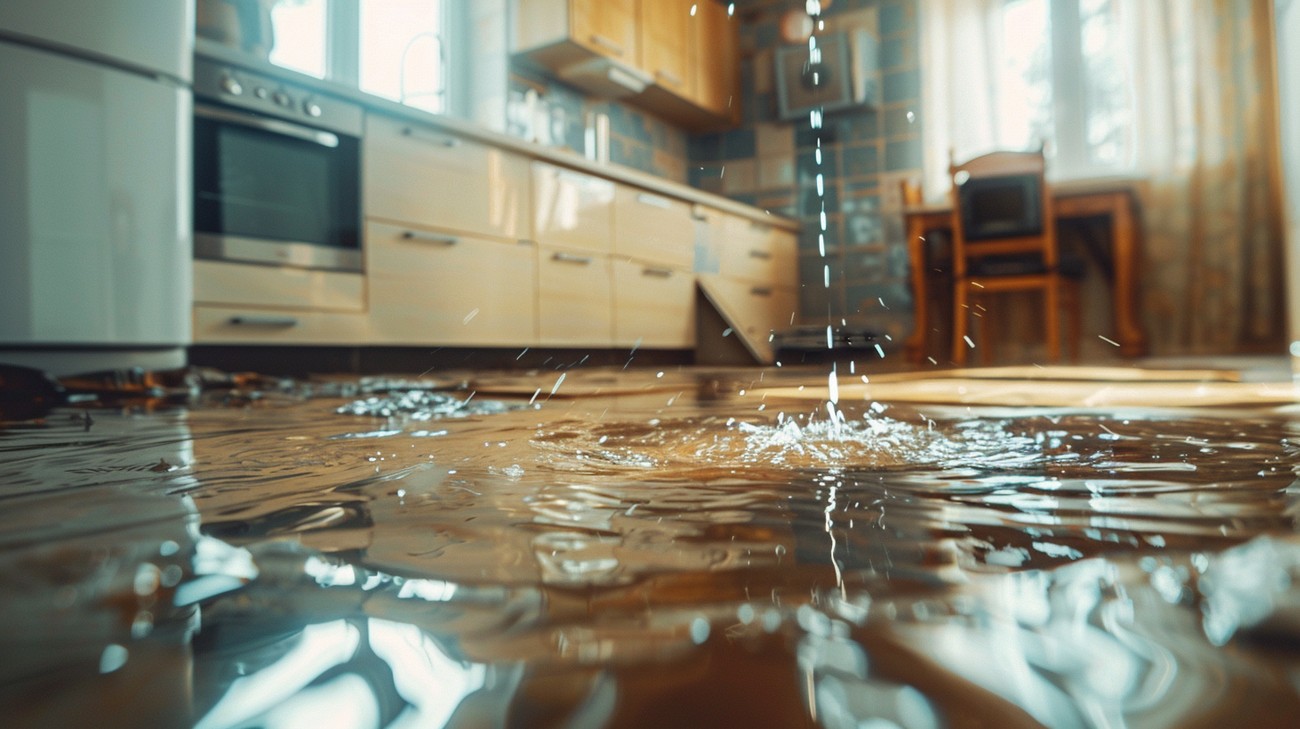
Troubleshooting Guide
Problem 1: Leaky Faucet
Symptoms:
- Dripping sound from the faucet
- Accumulation of water in the sink basin
- Increased water bill
Likely Causes:
- Worn-out washers or O-rings
- Corroded valve seat
- Faulty faucet installation
Step-by-Step Fixes:
- Turn off the water supply to the faucet.
- Use a wrench to disassemble the faucet handle.
- Inspect washers and O-rings; replace if worn or damaged.
- Check and clean the valve seat; replace if corroded.
- Reassemble the faucet and turn on the water supply to test.
When to Call a Professional:
- If the faucet continues leaking after the DIY fix.
- If there’s damage to the major faucet components that you can’t handle.
Prevention Tips:
- Periodically check and replace washers and O-rings.
- Avoid excessive force when turning off the faucet.
Problem 2: Running Toilet
Symptoms:
- Constant sound of running water
- High water bill
Likely Causes:
- Faulty flapper
- Incorrect float height
- Fill valve issue
Step-by-Step Fixes:
- Turn off the water supply and remove the toilet tank lid.
- Check the flapper; replace if it's not sealing correctly.
- Adjust the float to ensure the correct water level in the tank.
- Test the fill valve for functionality; replace if necessary.
- Turn the water supply back on and test for running water.
When to Call a Professional:
- If efforts to stop the running fail, and the problem persists.
- If unfamiliar with more complex toilet mechanisms.
Prevention Tips:
- Regularly inspect flapper and adjust the float.
- Pay attention to the toilet’s functioning and early signs of a weak flush.
Problem 3: Leaking Water Heater
Symptoms:
- Puddles around the water heater
- Inconsistent water temperature
- Strange noises from the heater
Likely Causes:
- Corroded tank
- Loose plumbing connections
- Faulty pressure relief valve
Step-by-Step Fixes:
- Turn off the power and water supply to the heater.
- Check visible plumbing connections and tighten if loose.
- Inspect the pressure relief valve; replace if leaking.
- Drain the tank and check for signs of corrosion.
- If corrosion is extensive, consider a replacement.
When to Call a Professional:
- Immediately if you detect tank corrosion.
- If uncomfortable dealing with pressure and electrical components.
Prevention Tips:
- Schedule annual water heater maintenance.
- Drain the tank periodically to clear sediment buildup.
Problem 4: Pipe Leaks
Symptoms:
- Water stains on walls or ceilings
- Visible water dripping from pipes
- Mold or mildew smell
Likely Causes:
- Pipe corrosion or damage
- High water pressure
- Poor pipe joint connection
Step-by-Step Fixes:
- Shut off the water supply and identify the source of the leak.
- Use pipe clamps as a temporary fix for visible leaks.
- Replace damaged sections or tighten loose joints.
- Use thread seal tape for extra joint security.
When to Call a Professional:
- For difficult-to-reach or severe leaks.
- When dealing with main water lines.
Prevention Tips:
- Insulate pipes to avoid freezing and pressure fluctuations.
- Regularly inspect pipe joints and connections.
Problem 5: Roof Leaks
Symptoms:
- Water dripping from the ceiling
- Wet spots on walls
- Mold growth
Likely Causes:
- Damaged shingles or flashing
- Clogged gutters
- Poor roof ventilation
Step-by-Step Fixes:
- Identify the exact leak source from the attic.
- Replace damaged shingles or repair flashing with roof sealant.
- Clean gutters to facilitate proper water drainage.
- Examine and address inadequate roof ventilation.
When to Call a Professional:
- If the roof structure is compromised.
- For extensive repair or replacement needs.
Prevention Tips:
- Regularly inspect and maintain roof surfaces.
- Clean gutters seasonally to prevent water overflow.
Problem 6: Basement Leaks
Symptoms:
- Pooling water in the basement
- Damp walls and floors
- Musty odor
Likely Causes:
- Foundation crack
- Poor drainage system
- High groundwater levels
Step-by-Step Fixes:
When to Call a Professional:
- For persistent leaks despite mitigation efforts.
- For comprehensive drainage or foundation solutions.
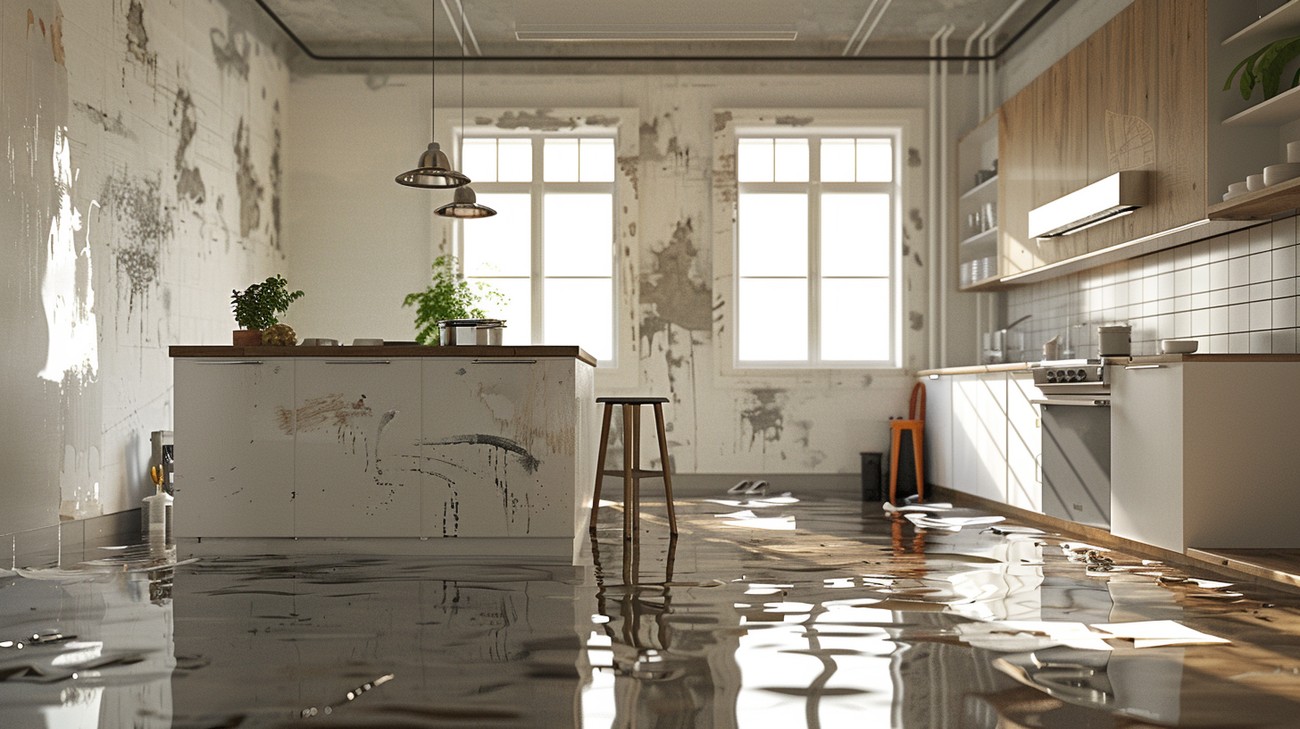
Common Mistakes to Avoid
1. Ignoring Minor Leaks
Why This Happens: It's easy to overlook a small drip or a minor leak since it doesn't immediately impact your daily life. People often assume that if it’s not causing a flood, it doesn’t need immediate attention.
How to Avoid It: Adopt a “catch it early” mindset. Regularly check for signs of minor leaks, like unexpected water stains or faint dripping sounds. If it looks or sounds like a leak, it probably is.
What to Do If You've Already Made the Mistake: If you've ignored a small leak, it’s crucial to address it now before it worsens. Call a plumber to assess the situation and fix any developing issues. Regular inspections can prevent future negligence.
Expert Recommendations: Regularly inspect all visible and easily accessible plumbing. Consider scheduling annual plumbing checkups to catch leaks early.
2. Using Temporary Fixes
Why This Happens: In today's fast-paced world, temporary fixes like duct tape or sealants offer a quick solution, allowing you to delay a proper repair until later, even if that later never comes.
How to Avoid It: Commit to addressing leaks properly the first time. Understand that temporary fixes are exactly that—temporary. Prioritize hiring a professional to ensure the issue is resolved efficiently and safely.
What to Do If You've Already Made the Mistake: Replace any temporary fixes with permanent solutions as soon as possible. Schedule a professional repair before temporary solutions fail, potentially causing further damage.
Expert Recommendations: Invest in quality repairs using durable materials. Implementing lasting solutions often saves money and prevents more significant problems down the line.
3. Not Knowing Your Water System Layout
Why This Happens: Many homeowners never familiarize themselves with their plumbing, making leak detection and self-repair daunting when issues arise.
How to Avoid It: Take time to understand the basics of your water system. Know where shut-off valves, water mains, and pipes are located. This knowledge is invaluable during emergencies.
What to Do If You've Already Made the Mistake: Educate yourself now. Walk through your home to learn about the plumbing system. You can find diagrams and resources online that can help.
Expert Recommendations: Consult a plumber to give you a guided tour of your plumbing system during their next visit. Keeping a simple diagram on hand can be beneficial for both you and any technicians you hire.
4. Overlooking Hidden Signs of Leaks
Why This Happens: Leaks often hide behind walls or beneath floors. Out of sight means out of mind, leading homeowners to miss key warning signs.
How to Avoid It: Pay attention to indirect signs such as an unexpected spike in your water bill, mold growth, or musty odors. These can all hint at hidden leaks.
What to Do If You've Already Made the Mistake: If you suspect hidden leaks due to signs like unusual bill hikes, contact a professional who can use specialized equipment to detect moisture and leaks inside walls or under floors.
Expert Recommendations: Install water leak detectors or moisture sensors in vulnerable areas. They can alert you to unseen leaks before they escalate.
5. Delaying Repairs Due to Cost
Why This Happens: Repairs can be expensive, and it’s tempting to push them to next month’s budget. However, delays can often lead to higher repair costs.
How to Avoid It: Budget for home maintenance, setting aside funds specifically for unexpected repairs. This proactive approach minimizes the financial burden when repairs are necessary.
What to Do If You've Already Made the Mistake: If repair expenses have been delayed, prioritize them as soon as possible. Look into financing options or local assistance programs to manage costs.
Expert Recommendations: Regularly review your homeowner’s insurance to see if any costs could be covered under your policy.
6. Misdiagnosing the Source of a Leak
Why This Happens: Without expertise, a leak might seem to originate from one spot when it’s actually coming from another area entirely.
How to Avoid It: Don’t assume. Use resources like leak detection devices, or call in a professional for accurate diagnosis when signs of leakage arise.
What to Do If You've Already Made the Mistake: If you've attempted a repair that hasn’t resolved the issue, reassess and consult with a professional to prevent further damage.
Final Thoughts
Identifying and understanding water leak causes is essential for every homeowner to prevent costly damage and maintain a safe living environment. Common culprits include aging pipes, faulty appliances, and weather-related wear and tear—issues that can be particularly relevant to those of us in Seattle, WA, where moisture levels can be more pronounced.
If you suspect a leak or want to ensure your home is safe and sound, we’re here to help. Contact GotRot to schedule a consultation or request a free estimate, and let our team of trusted local experts guide you in keeping your home dry and secure. We’re committed to serving our community and ensuring peace of mind for every homeowner.

