
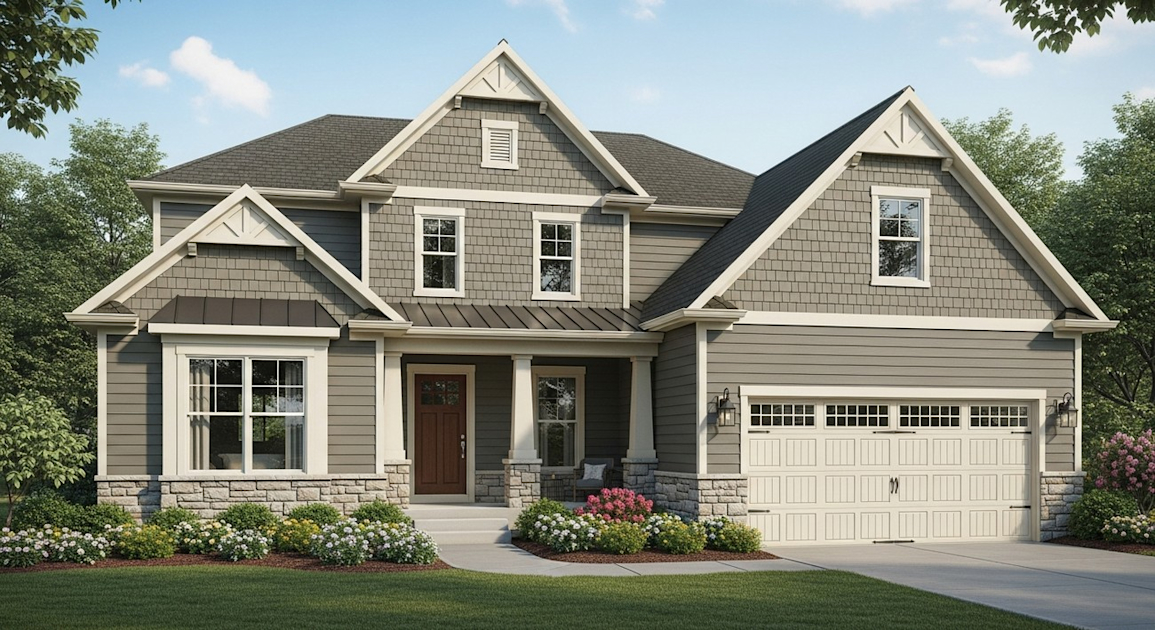


Vinyl board and batten siding has become a popular choice among homeowners seeking both aesthetic appeal and functional benefits. Let's embark on a detailed exploration of its features, benefits, installation process, and maintenance requirements. Our goal is to help you make an informed decision about vinyl board and batten siding for your home.
What Is Board and Batten Siding?
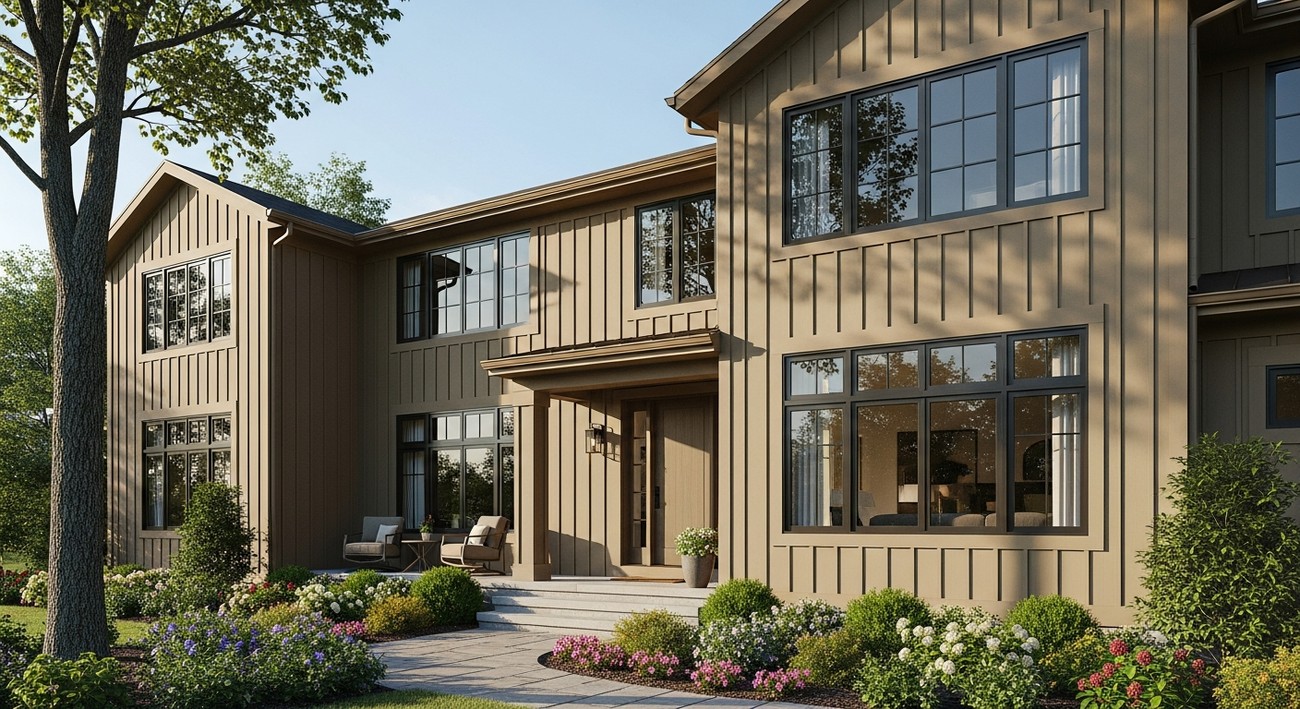
Board and batten siding is a traditional form of siding that combines wide boards with narrow strips, known as battens. Originally used in barns and farmhouses, this architectural style has grown in popularity for its rustic and charming appearance. The "board" is the wide plank, while the "batten" is the narrow strip used to cover the seams between the boards, providing dimension and texture to the exterior.
Why Choose Vinyl?
Vinyl has emerged as a leading material for board and batten siding due to its versatility, durability, and affordability. Unlike wood, vinyl does not warp or rot and requires less maintenance. Thanks to technological advancements, vinyl can mimic the look of natural wood, offering homeowners the classic charm of board and batten without the associated upkeep.
Key Benefits of Vinyl Board and Batten Siding
Durability and Weather Resistance
Vinyl siding is highly resistant to harsh weather conditions like wind, rain, and extreme temperatures. It won't corrode or rust, making it ideal for various environments.
Low Maintenance
With vinyl, the days of regular painting and sealing are over. This material can easily be kept clean with occasional washing, saving you time and money in the long run.
Cost-Effectiveness
Vinyl board and batten siding is more economical compared to traditional wood. Installation costs are usually lower, and due to its longevity, it offers great value over time.
Aesthetic Versatility
Vinyl siding is available in a wide range of colors and textures, allowing for customization to suit different architectural styles and personal preferences.
Installation Process
Preparation of the Surface: Ensure the wall surface is clean and dry. Remove any old siding and repair any structural issues before installation.
Measuring and Cutting: Measure the walls carefully and cut the vinyl boards to the appropriate length, accounting for any windows or doors.
Installing the Boards: Starting at the bottom, install the vinyl boards horizontally, ensuring they are level.
Adding Battens: Attach the battens vertically over the seams of the boards to create a sleek, finished appearance.
Securing the Siding: Use corrosion-resistant nails or screws to secure the siding, allowing for slight movement to accommodate expansion and contraction.
Pro Tips for a Smooth Installation
- Use a chalk line to ensure proper alignment and spacing.
- Leave adequate gaps for expansion, especially in regions with significant temperature fluctuations.
Design Options and Customization
Vinyl board and batten siding offers a plethora of design options. You can choose from traditional vertical patterns or experiment with modern horizontal installations. Here are some customization options:
- Colors: From classic neutrals to bold contemporary hues, vinyl can be customized to match your style.
- Finishes: Opt for smooth finishes for a sleek look or wood-grain textures for added rustic charm.
Maintenance Tips
Maintaining your vinyl board and batten siding is straightforward. Here's a simple upkeep routine to keep it looking pristine:
- Regular Cleaning: Use a mild soap solution and a garden hose to remove dirt and debris.
- Inspection: Periodically inspect for any damage or loose panels, especially after severe weather.
Environmental Considerations
Vinyl siding is also an environmentally friendly option. Its production requires less energy compared to other materials, and it is recyclable, which reduces its carbon footprint. Many manufacturers are now focused on sustainable practices, further enhancing vinyl’s eco-friendly appeal.
Frequently Asked Questions About Vinyl Board and Batten Siding
How does vinyl board and batten siding compare to traditional wood options?
Vinyl board and batten siding offers several advantages over traditional wood siding. Primarily, vinyl requires far less maintenance—there's no need for painting or regular sealing as you would with wood. Unlike wood, vinyl doesn't warp, rot, or attract pests like termites. It's also resistant to moisture and scratches, ensuring it retains its appearance over time. While wood has a classic aesthetic, vinyl comes in a wide range of colors and finishes, allowing homeowners to capture the desired look without the associated upkeep.
What are the installation essentials for vinyl board and batten siding?
Installing vinyl board and batten siding involves a few key steps, beginning with preparation. Ensure that the surface is flat and in good condition. You'll need essential tools like a level, a utility knife, and a saw suitable for cutting vinyl. When installing, it's important to allow room for expansion and contraction due to temperature changes. Secure the panels using corrosion-resistant nails but be careful not to drive them too tightly. Proper spacing and alignment during installation are crucial to maintaining the aesthetic appeal and functional integrity of the siding.
How does climate affect vinyl board and batten siding performance?
Vinyl board and batten siding is generally well-suited to handle a variety of climate conditions, from extreme heat to heavy snowfall. Its ability to handle UV exposure makes it a durable option in sunny environments without fading drastically. In cold climates, the material's flexibility aids in preventing cracks or brittleness. However, it's important to note that in extremely hot or cold conditions, some vinyl may expand or contract slightly, so precise installation is essential to accommodate such changes and prevent issues related to climate-induced stress.
Is vinyl board and batten siding a good choice for energy efficiency?
Vinyl board and batten siding can indeed contribute to a home's energy efficiency, especially when combined with proper insulation. While vinyl itself isn't a significant insulator, it works well when installed over insulated sheathing. This not only adds a layer of thermal resistance to the walls but also provides additional soundproofing benefits. Many vinyl siding products also reflect solar heat, reducing thermal gain and potentially lowering cooling costs in the summer. To make the most of its energy efficiency potential, opt for insulated vinyl siding to enhance your home's thermal performance.
Can vinyl board and batten siding mimic other materials?
Yes, vinyl board and batten siding can mimic a variety of other materials, including wood, stone, or even stucco. Advances in manufacturing technologies have led to vinyl products with realistic textures and finishes that closely resemble these materials. Wood-look vinyl siding, for example, offers the appealing grain and texture of wood without the associated upkeep. Homeowners can opt for a design that complements their style while enjoying the durability, low maintenance, and cost-effectiveness that vinyl siding provides.
What maintenance is required for vinyl board and batten siding?
Maintenance for vinyl board and batten siding is minimal, which is one of its biggest selling points. Regular washing with a garden hose and a mild detergent will help keep your siding looking new. Unlike wood, which may require frequent painting, staining, or sealing, vinyl maintains its color and appearance over time with little effort. In case of damage or stains, it’s often possible to replace individual panels rather than the entire siding, making repairs straightforward and cost-effective. Keeping landscaping like bushes and trees trimmed away from the siding will also help reduce the risk of dirt build-up and damage.
Are there any color choices available for vinyl board and batten siding?
Vinyl board and batten siding comes in a wide array of colors and finishes, catering to numerous aesthetic preferences. From subtle, traditional hues like almond and taupe to bold, modern colors like navy blue and forest green, the options are extensive. Advances in fade-resistant technology mean that the vibrant color of your choice will last for many years without significant color washout. Some manufacturers offer custom color options, allowing homeowners to match or complement their existing exterior design exactly.
How durable is vinyl board and batten siding?
Vinyl board and batten siding is highly durable and designed to withstand various environmental challenges. It's resistant to degradation from exposure to sun, extreme temperatures, and moisture. This resistance to water means it doesn’t suffer from mold, rot, or mildew common with other types of siding. Additionally, vinyl is made to endure impacts better than many materials, reducing the likelihood of dents or cracks. With an appropriate installation and minimal upkeep, vinyl siding can maintain its structural integrity and appearance for decades, making it a dependable choice for any home.
Can vinyl board and batten siding increase a home's value?
Incorporating vinyl board and batten siding can indeed enhance a home's curb appeal, which is a significant factor in real estate value assessments. Its durability, aesthetic versatility, and low maintenance appeal to potential buyers who are looking for cost-effective and sustainable home exteriors. Moreover, its contribution to energy efficiency can be an attractive selling point. While replacing siding is generally considered a value-adding renovation, it's important to choose colors and styles that align with current market trends and preferences to maximize potential value addition.
Exploring the Pros and Cons of Vinyl Board and Batten Siding
Pros
Low Maintenance
One of the biggest advantages of vinyl board and batten siding is its low-maintenance nature. Unlike some other materials, this type of siding doesn't require painting, staining, or any regular upkeep. A simple wash now and then is enough to keep it looking fresh and new, letting you spend your weekends doing more fun activities rather than maintaining your home's exterior.
Durability
Vinyl is known for its durability, and when it's used for board and batten siding, it can withstand quite a punch from Mother Nature. Whether you're dealing with hefty winds, rain, or the occasional hailstorm, vinyl siding stands strong, resisting damage and keeping your house protected. Plus, it doesn't warp, rot, or succumb to insect damage, which is a blessing in disguise for many homeowners.
Cost-Effective
When you're budget-conscious but still want an appealing exterior, vinyl board and batten siding is a cost-effective solution. It's generally cheaper than wood or fiber cement siding, making it an attractive option for those who want to enhance their curb appeal without breaking the bank.
Variety of Styles and Colors
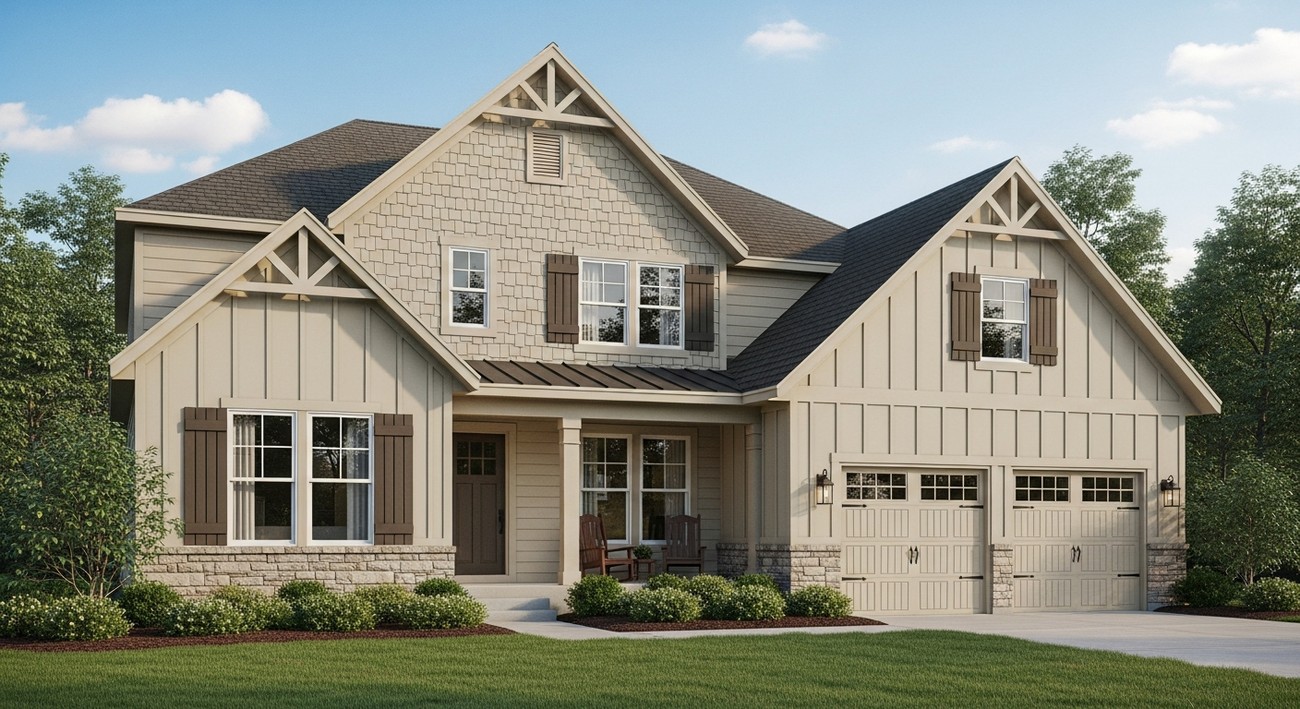
Vinyl board and batten siding doesn't skimp on style. With a wide range of colors and finishes available, you can match or contrast with other architectural elements of your home. Whether you're going for a classic look or something more contemporary, vinyl provides ample room for customization.
Easy Installation
Compared to some other siding options, vinyl board and batten can be relatively easy to install. This ease can also translate to lower labor costs if you're hiring professionals and a more straightforward project if you're tackling it as a DIY adventure.
Energy Efficiency
Believe it or not, vinyl siding can contribute to energy efficiency. Insulated vinyl board and batten siding adds an extra layer of insulation to your home, helping reduce heating and cooling costs. While not all vinyl siding has this feature, choosing the insulated variety can be a smart move for your wallet and the environment.
Cons
Fading Over Time
One of the downsides of vinyl siding is that it can fade over time due to sun exposure. While advancements have been made to mitigate this issue, it's something to consider if your home is subjected to long hours of direct sunlight. Once fading occurs, restoring the original look can be challenging.
Can Appear Less Authentic
While vinyl board and batten siding does a fair job of imitating the real thing, it might not provide the same authentic look and feel as natural wood. Purists seeking the original charm of true wood siding might find vinyl lacking in that department.
Potential for Cracking
Under extreme weather conditions, especially during freezing temperatures, vinyl can become brittle and crack. This isn't a common occurrence in milder climates, but it's worth keeping in mind if you live in areas prone to harsh winters.
Environmental Concerns
Vinyl siding is made from polyvinyl chloride (PVC), which raises concerns among environmentally conscious homeowners due to its production process and difficulty in recycling. If sustainability is a key factor in your decision-making, this might be a point of contention.
Repairs Can Be Noticeable
If sections of your vinyl siding become damaged and need replacing, it can sometimes be hard to match the new vinyl perfectly with the old due to fading or differences in production. This means repairs can be somewhat noticeable, which might be a concern for those particular about aesthetics.
Final Thoughts
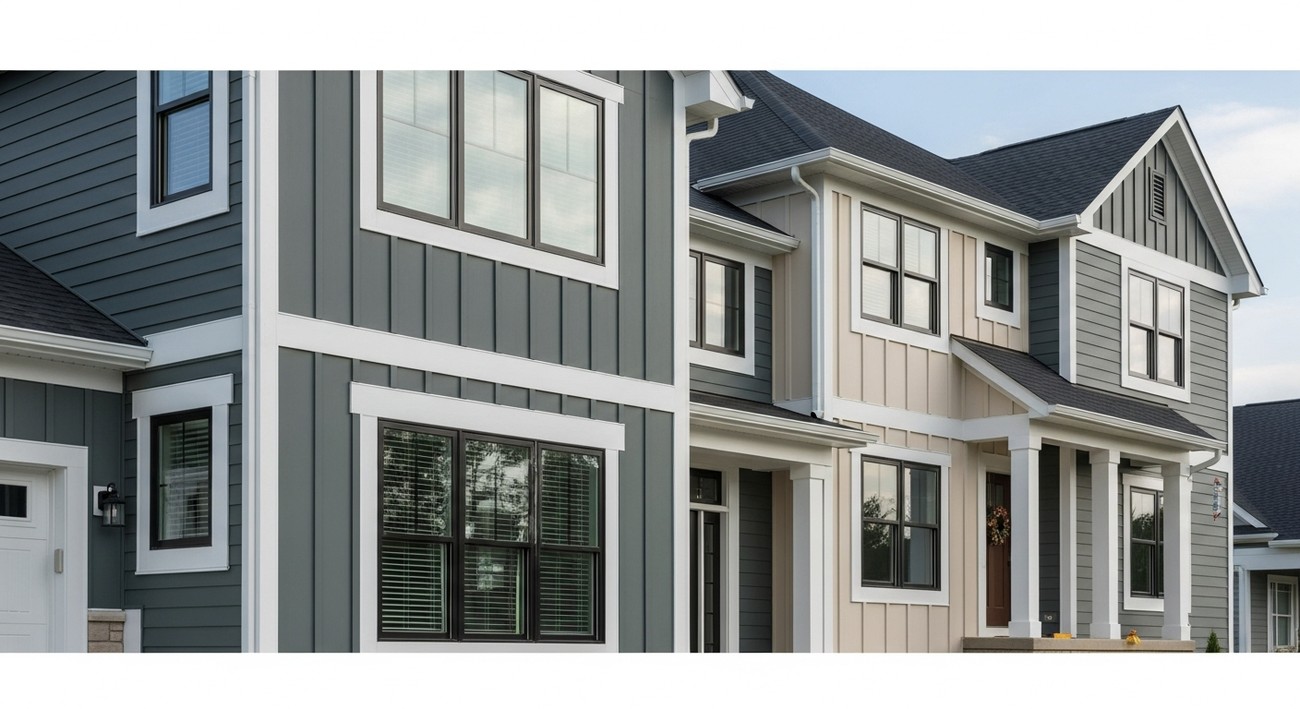
Choosing vinyl board and batten siding can truly elevate the aesthetic of your home while providing the durability and low maintenance that fits today’s busy lifestyles. This siding option not only enhances the visual appeal with its classic charm, but it also offers the resilience needed to withstand the elements, especially important for homeowners in Seattle, WA, where the weather can be quite variable.
If you're considering making the switch or just want to learn more about how vinyl board and batten siding can benefit your property, we’re here to help. At GotRot, we pride ourselves on being the trusted local experts, ready to assist you with any questions you may have. Feel free to reach out to us for a consultation or to request a free estimate—we're excited to help you transform your home!


