


Replacing windows can significantly transform your home’s appearance and energy efficiency. Whether you're looking to boost curb appeal, enhance comfort, or reduce energy bills, it's essential to understand the ins and outs of replacement windows. In this comprehensive guide, we delve into the various aspects related to replacement windows, enabling you to make informed decisions for your home.
Why Consider Replacement Windows?
Windows form an integral part of your home’s structure, aesthetics, and energy performance. Here are several compelling reasons to consider replacing your existing windows:
Energy Efficiency: Drafty windows can lead to significant energy loss, increasing your energy bills. Modern replacement windows provide superior insulation, reducing heating and cooling costs.
Enhanced Comfort: Properly insulated windows maintain consistent indoor temperatures, eliminating cold drafts in winter and hot spots in summer.
Increased Home Value: Upgrading to high-quality replacement windows can boost your property's value, making it a worthy investment.
Noise Reduction: Replacement windows with soundproofing features can significantly decrease outside noise, creating a tranquil indoor environment.
Types of Replacement Windows
Choosing the right type of replacement window can largely depend on your specific needs and preferences. Below is a breakdown of popular window types:
Double-Hung Windows
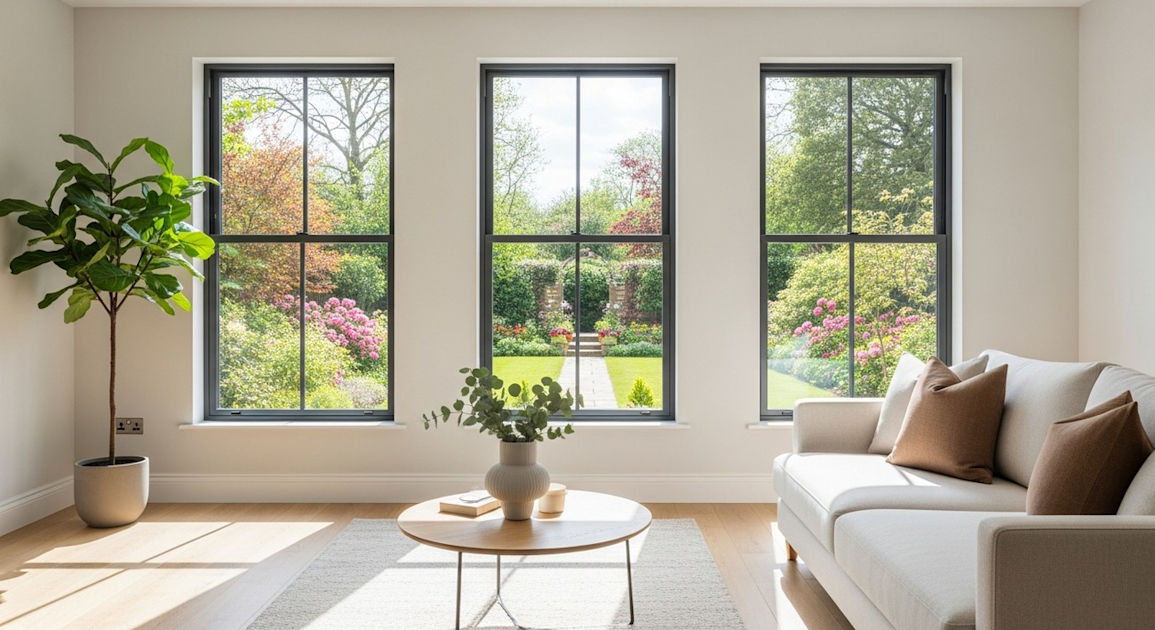
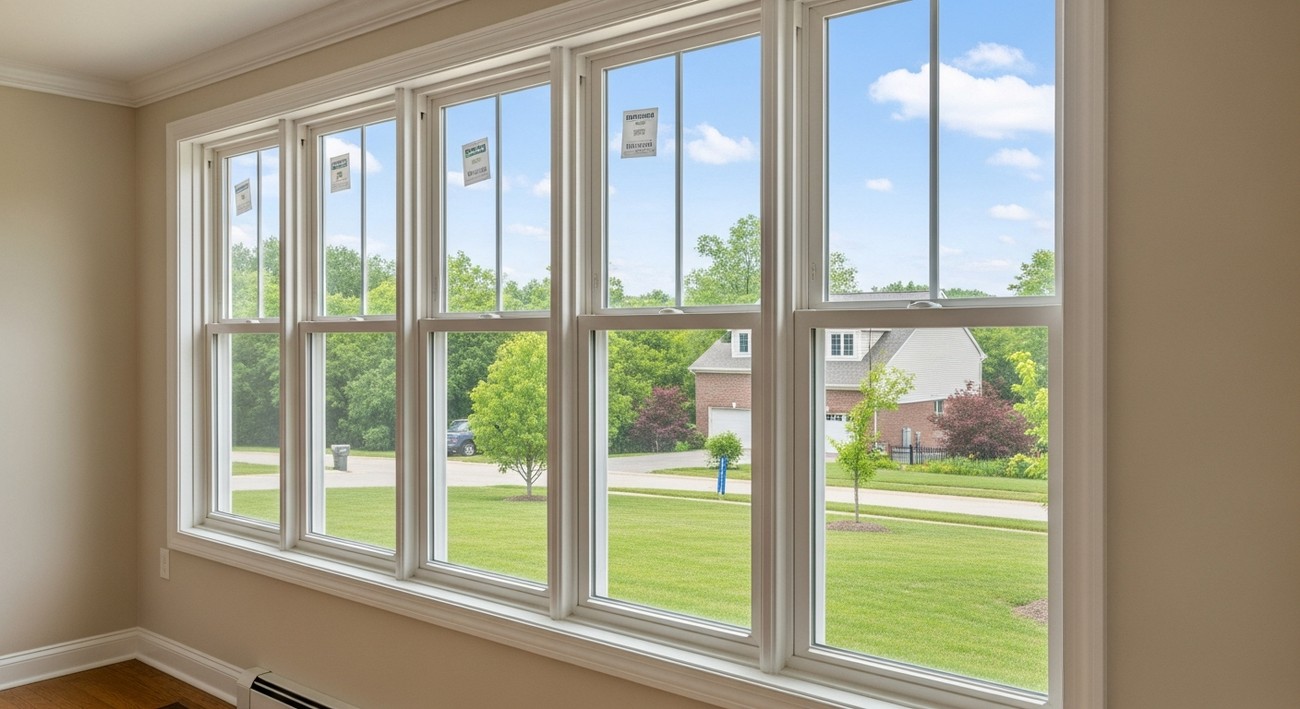
Double-hung windows are classic and versatile, featuring two operable sashes that move vertically. They're easy to clean and suitable for traditional and modern homes.
Casement Windows
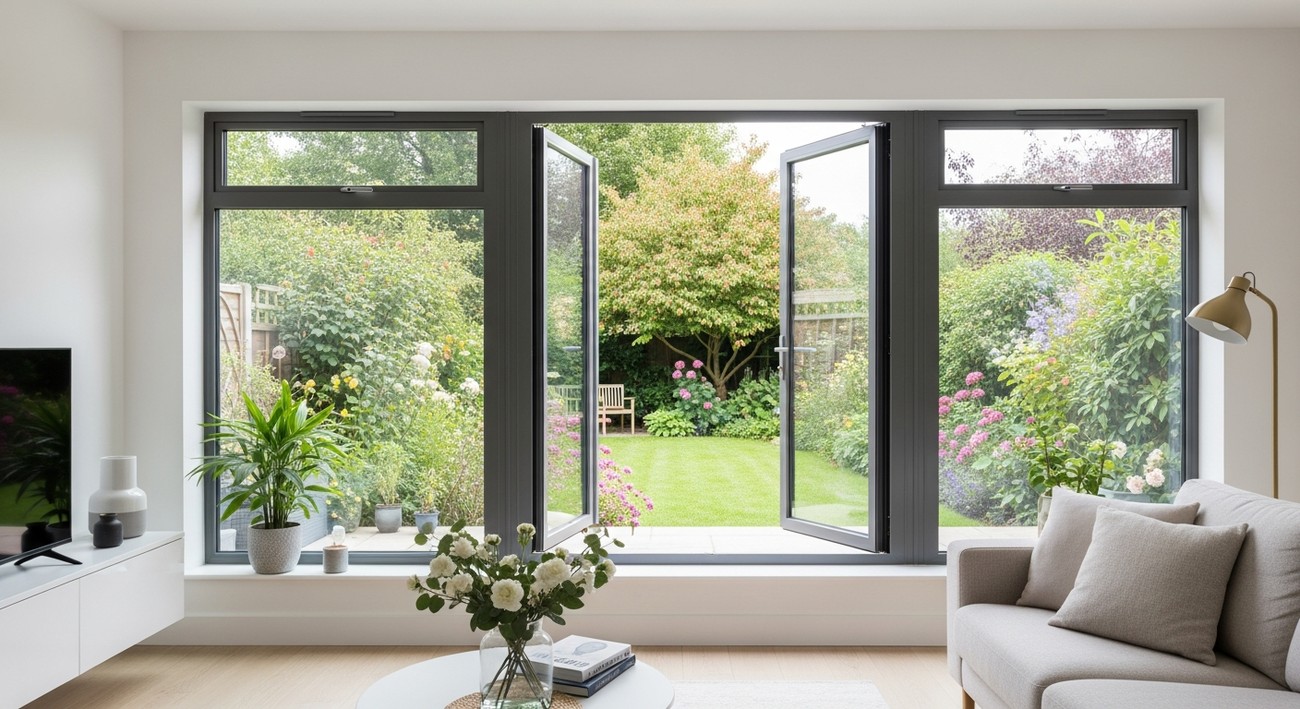
Opening outwards with the help of a crank, casement windows provide excellent ventilation and unobstructed views. Their tight seal makes them highly energy-efficient.
Sliding Windows
With sashes that slide horizontally, sliding windows are perfect for wide wall spaces. They offer easy operation and minimal maintenance.
Awning Windows
Hinged at the top and opening outward, awning windows improve ventilation while preventing rain from entering. They're ideal for bathrooms and kitchens.
Picture Windows
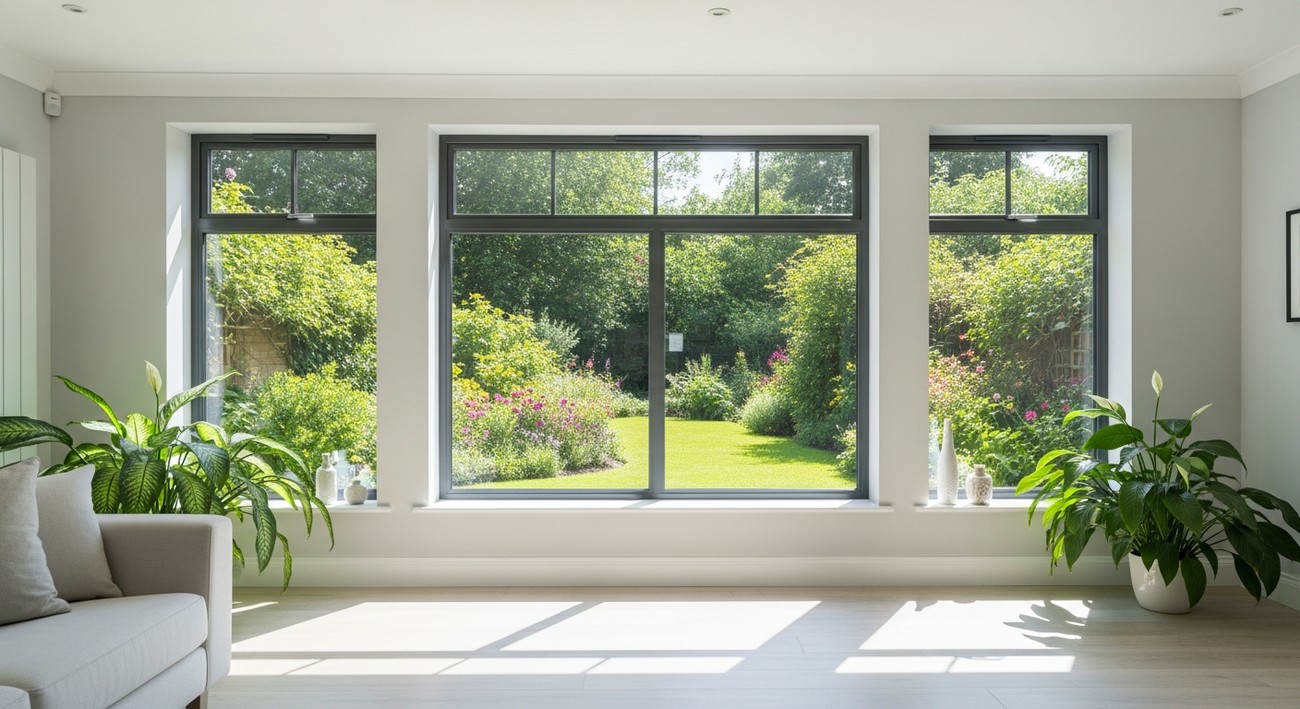
Picture windows are fixed windows that do not operate but provide a maximum view. They're typically used in combination with other windows for enhanced aesthetics.
Materials to Consider
The material of your replacement windows plays a crucial role in their durability, maintenance, and energy efficiency. Here are the most common materials available in the market:
Vinyl
Vinyl windows are popular due to their affordability, energy efficiency, and low maintenance needs. They are resistant to moisture and don't require painting.
Wood
Favored for their natural beauty and insulation properties, wood windows require regular maintenance to prevent rot and weather damage.
Aluminum
Known for their durability and slim profile, aluminum windows offer a modern look but can transfer heat easily, impacting energy efficiency.
Fiberglass
Offering the best of both worlds, fiberglass windows provide excellent insulation, are highly durable, and demand minimal maintenance.
Installation Process
Understanding the installation process is crucial to ensuring a successful replacement. Here is an overview of what to expect during installation:
Measurement: Precision is key. Accurate measurements are taken to ensure your new windows fit perfectly.
Removal: Your old windows are carefully removed to avoid damage to the window structure.
Preparation: The window frame is prepared by cleaning and removing debris to ensure a secure fit for the new window.
Installation: The new window is placed and secured. It's essential to align the window properly and ensure a weathertight seal.
Finishing Touches: The window is finished with insulation and trim to enhance appearance and efficiency.
Maintenance Tips
Proper care of your replacement windows will prolong their life and ensure they remain in top condition. Here are some maintenance tips:
- Regular Cleaning: Clean glass and frames with appropriate cleaners to maintain clarity and function.
- Check Seals: Periodically check seals for drafts and apply weatherstripping if necessary.
- Lubricate Hardware: Ensure easy operation by lubricating hinges, locks, and cranks.
- Inspect for Damage: Regularly inspect for wear, warping, or damage, especially after severe weather.
Choosing the Right Contractor
Selecting a qualified contractor is critical to the success of your replacement window project. Here are key factors to consider:
- Experience and Reputation: Seek contractors with verifiable experience and strong customer reviews.
- Certifications and Licensing: Ensure the contractor is licensed and has the necessary certifications for window installation.
- Warranty and Support: Opt for contractors who offer warranties on both products and installation services.
Cost Considerations
While the cost of replacement windows can vary widely, understanding the factors influencing price can help you budget effectively.
- Material Type: The type of material chosen directly affects the cost. For instance, wood is typically more expensive than vinyl or aluminum.
- Customization: Custom shapes, sizes, and designs will increase the overall cost.
- Energy Efficiency Features: Windows with additional energy-efficient technologies, like Low-E glass or argon gas fills, will incur higher costs but offer savings on energy bills.
Frequently Asked Questions About Replacement Windows
Why should I consider replacement windows for my home?
Replacement windows can significantly enhance your home's energy efficiency, aesthetic appeal, and overall comfort. They can help reduce your energy bills by better insulating your home, keeping it warmer in winter and cooler in summer. Additionally, new windows can improve your property's curb appeal, increasing its market value. Modern replacement windows also offer better soundproofing, providing a quieter, more peaceful indoor environment.
How do replacement windows differ from new construction windows?
Replacement windows are designed to fit into existing window openings, making them ideal for renovation projects where minimal disruption is desired. They do not require the removal of exterior materials and are generally easier and quicker to install. In contrast, new construction windows are intended for new builds or extensive remodels where the surrounding construction materials will also be removed or replaced. Replacement windows are a more convenient choice for homeowners looking to upgrade their windows without engaging in major structural changes.
What materials are available for replacement windows?
Replacement windows come in a variety of materials, including vinyl, wood, aluminum, fiberglass, and composite. Vinyl windows are popular for their affordability and low maintenance needs. Wood windows offer a classic aesthetic and can be painted or stained to match your home’s style, though they may require more upkeep. Aluminum windows are strong and lightweight, while fiberglass windows are known for their durability and resistance to temperature fluctuations. Composite windows combine the benefits of different materials, offering strength and versatility.
How do I measure for replacement windows?
Measuring for replacement windows involves getting the correct dimensions of your existing window openings. Begin by measuring the width at the top, middle, and bottom of the window frame from jamb to jamb, recording the smallest measurement. Next, measure the height from the sill to the top jamb on the left, center, and right sides, again recording the smallest measurement. Ensure to measure the depth of the window frame to confirm the new windows will fit the space. Accurate measurements are crucial for ensuring a proper fit and optimal performance of your replacement windows.
Can I install replacement windows myself?
While it is possible to install replacement windows yourself, it requires a certain level of skill, precision, and the right tools. Incorrect installation can lead to issues such as air leaks, water infiltration, and poor window performance. For these reasons, many homeowners choose to hire professional installers who are trained to handle the installation accurately and efficiently. Professionals can also offer warranties on their work, providing peace of mind regarding the longevity and functionality of your replacement windows.
What should I look for in energy-efficient replacement windows?
When searching for energy-efficient replacement windows, look for features like double- or triple-pane glass, low-emissivity (Low-E) coatings, and argon or krypton gas fills between panes. These elements work together to reduce heat transfer, keeping your indoor environment comfortable year-round. Check for windows with an Energy Star label, which indicates they meet or exceed energy efficiency standards set by the U.S. Environmental Protection Agency. The U-Factor and Solar Heat Gain Coefficient (SHGC) ratings can also help you compare the energy performance of different window options.
How much do replacement windows typically cost?
The cost of replacement windows varies widely based on factors such as the window style, material, brand, size, and any additional features like energy-efficient upgrades. On average, homeowners can expect to pay anywhere between $300 to $1,000 per window, including installation. While upfront costs may be significant, remember that investing in high-quality replacement windows can lead to substantial long-term savings through reduced energy bills and increased home value.
How long do replacement windows typically last?
The lifespan of replacement windows depends on the material and quality of installation but generally ranges from 15 to 30 years. Vinyl windows can last up to 20-30 years with minimal maintenance. Wood windows may require more upkeep but can also last a long time if properly cared for. Fiberglass windows are highly durable and resistant to warping and cracking, offering a long lifespan as well. Regular maintenance and prompt repairs can further extend the life of your replacement windows, ensuring maximum performance and value.
What maintenance do replacement windows require?
Replacement windows generally require minimal maintenance to remain in good condition. Regularly cleaning the glass, frames, and tracks with a gentle, non-abrasive cleaner helps maintain their appearance and function. It’s also important to inspect the caulking and weather stripping periodically and replace them as necessary to prevent air and water leaks. For wood windows, repainting or restaining every few years can protect them from weather damage. Following these basic maintenance steps will help keep your replacement windows in top shape for years to come.
The Pros and Cons of Replacement Windows
Pros
Improved Energy Efficiency
One of the biggest lures for opting for replacement windows is surely the promise of enhanced energy efficiency. Modern windows are designed with advanced technologies like double or even triple glazing, Low-E coatings, and gas fills, which all work together to keep your home cozy. Not only does this potentially lower your energy bills, but it also gives you the warm, fuzzy feeling of doing your bit for the environment. Who doesn't love a win-win like that?
Increased Home Value
Jumping into the real estate market anytime soon? New windows can actually add value to your home. Curb appeal is a real thing, and updated windows can make your house look more modern and inviting from the street. Potential buyers often see new windows as a sign of good maintenance and reduced likelihood of unexpected repairs, making your home a more attractive purchase.
Noise Reduction
If you live near a bustling street or busy neighborhood, noise can be a distraction. Modern replacement windows often come with features that significantly dampen outside noise. This means a quieter atmosphere inside, good for those relaxing moments or when you’re trying to get some work done without interruptions from honking cars or lively neighbors.
Enhanced Home Security
With modern advancements comes better security. Many replacement windows are designed with stronger materials and innovative locking mechanisms, making it a lot harder for any potential intruders to make their way inside. Feeling a little more secure in your own home? That’s priceless.
Low Maintenance
Nobody loves a chore list that’s a mile long. Many modern windows come with low-maintenance designs, meaning they don’t require a lot of upkeep. Think vinyl or fiberglass frames that don't need painting and tilt-in sashes that make cleaning a breeze! It's about getting more time to do what you love, with less time on ladders and less fuss over maintenance.
Cons
Cost
Let’s be transparent here: replacement windows aren’t exactly a budget-friendly option. The upfront cost can raise eyebrows, especially if you have a lot of square footage to cover or if you’re swayed by the premium options. It’s an investment, and while the resale value and energy savings might help in the long run, that initial outlay can still smart a wee bit.
Disruption and Inconvenience
Go ahead and visualize this: a team of workers, prying out your old windows and sawing away. It might get noisy, your living space could get littered with dust and debris, and you’ll possibly lose some privacy with big gaps where the windows used to be. Whether it’s a DIY weekend project or you’re bringing in the professionals, the disruption to your daily life is something to be prepared for.
Style Limitations
If you live in an older home, the charm may very well come from its original features, including the windows. Replacement windows, while hugely practical, may not always capture the historical accuracy or uniqueness of original wooden or leaded glass windows. For some, this compromise on style is a big deal-breaker.
Potential for Installation Errors
Finding the right contractor is key because poorly installed windows can lead to a range of problems. From drafts and water leaks to unsightly gaps, the consequences of bad installation can lead to headaches and, ultimately, additional repairs. It's important to choose your installer wisely and ensure they have a good track record.
Warranty and Lifespan Doubts
While replacement windows aim for longevity, not every product or service comes with a rock-solid warranty. Understanding the fine print can save you trouble, as not all warranties are created equal. It would be a shame if you spent significant money only to find issues a couple of years down the line—with little recourse available.
Buyer's Guide: What to Look For
Key Factors to Consider
When diving into the world of replacement windows, understanding the key factors can ease your decision-making process and lead you to a satisfying choice. Here’s what you need to focus on:
Energy Efficiency: Pay attention to ratings such as U-factor and Solar Heat Gain Coefficient (SHGC). These metrics indicate how well the window insulates and its ability to block heat from the sun. Look for ENERGY STAR-certified windows, which promise reduced energy costs and enhanced thermal performance.
Material Quality: Choose from popular materials like vinyl, wood, aluminum, and fiberglass. Each offers unique benefits—vinyl is low-maintenance and cost-effective; wood offers a classic aesthetic but requires upkeep; fiberglass gives strength and durability with excellent thermal performance.
Durability: Windows should stand the test of time, enduring weather changes and day-to-day use. Evaluate the warranty offered—longer warranties often signal confidence in product durability.
Installation Process: A top-quality window is only as good as its installation. Ensure that the installation team is experienced, certified, and has a track record of successful installs.
Must-Have vs. Nice-To-Have Features
Understanding what you need versus what you want is crucial in managing budget and expectations.
Must-Have Features:
- Double or Triple Glazing: Essential for effective insulation and noise reduction.
- Low-E Coating: Helps minimize UV penetration while maintaining visibility and light.
- Well-Sealed Frames: Prevents drafts and moisture ingress, ensuring longevity.
Nice-To-Have Features:
- Smart Glass Technology: Offers adjustable tinting for better privacy and light control.
- Decorative Grilles and Trims: These can improve aesthetics without affecting practicality.
- Tilt-and-Turn Mechanisms: Although handy for cleaning and ventilation, they aren’t necessary for everyone.
Red Flags to Avoid
Spotting pitfalls early can save you a lot of trouble down the line.
- Unusually Low Quotes: Be wary of prices that seem too good to be true; they might involve low-quality materials or workmanship.
- High-Pressure Sales Tactics: Trustworthy companies let you decide on your own time. Avoid those rushing you into a quick decision.
- Poor Reviews: Consistently negative feedback and unresolved complaints should raise a red flag.
Questions to Ask Before Buying
Asking the right questions can bring clarity and confidence to your purchase.
- What is the U-factor and SHGC of this window? Understanding these ratings will help you estimate energy efficiency.
- What warranties and guarantees are provided? A good warranty is indicative of quality and the company’s trust in its products.
- What does the installation process entail, and how long will it take? Knowing what to expect in both time and disruption can help in planning.
- Can you provide references or show recent installations? Seeing other projects gives insight into the quality of work you can expect.
How to Spot Quality
Identifying high-quality windows is crucial for a satisfying long-term investment. Here’s what to look for:
- Seamless Construction: Pay attention to how frames are joined. Well-constructed joints suggest durability and better overall performance.
- Smooth Operation: Open and close windows multiple times. They should move effortlessly without sticking or making unusual noises.
- Clear and Consistent Warranty Terms: A transparent warranty with clear terms offers peace of mind and protection for your investment.
- Reputable Brand and Installer: Choose well-established brands known for quality. Similarly, opt for installation professionals who carry certifications and have a stellar reputation.
Final Thoughts
Choosing replacement windows can significantly enhance the comfort, efficiency, and aesthetic appeal of your home. Whether you're looking to boost energy efficiency or update the style, it’s essential to select windows that fit your needs and complement your property. In Seattle, WA, with our unique weather conditions, investing in quality windows can also mean safeguarding your home against elements while maintaining a beautiful exterior.
If you're ready to explore your options or have questions about the installation process, we’re here to help. At GotRot, we pride ourselves on being your trusted local expert for all your window needs. Reach out to us to schedule a consultation or request a free estimate — we’re excited to help you transform your home with the right replacement windows!


