


Dry rot is a persistent fungal problem that can cause serious structural damage to timber. If you're concerned about the integrity of your home or property, understanding the signs of dry rot is crucial. This comprehensive guide will delve into everything you need to know about identifying, managing, and preventing dry rot, helping you safeguard your most important investment: your property.
What is Dry Rot?
Dry rot, scientifically known as Serpula lacrymans, is a wood-decaying fungus that thrives in damp, poorly ventilated, and dark environments. Unlike its name suggests, dry rot requires moisture to begin its lifecycle. Once established, however, it can destroy wooden structures by consuming the cellulose and hemicellulose within.
Early Signs of Dry Rot
Early detection of dry rot can save you time, money, and stress. Knowing what to look for is crucial. Here are some early indicators of dry rot infestation:
Musty Odor: Often, the first sign of dry rot is a musty, damp smell. If you notice an unusual odor, especially in areas like basements or attics, it's worth investigating further.
Discolored Wood: Keep an eye out for wood that has begun to darken or lighten in color in specific areas. This discoloration is often an early sign of fungal activity.
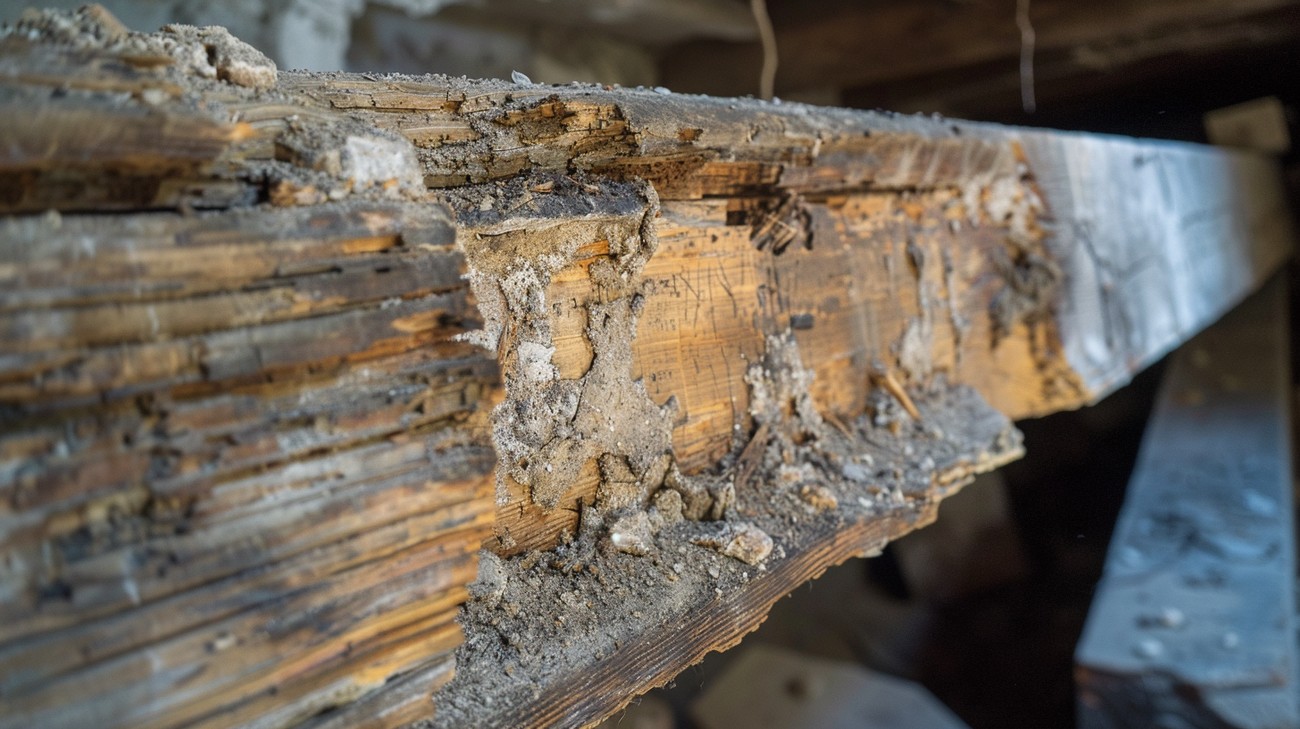
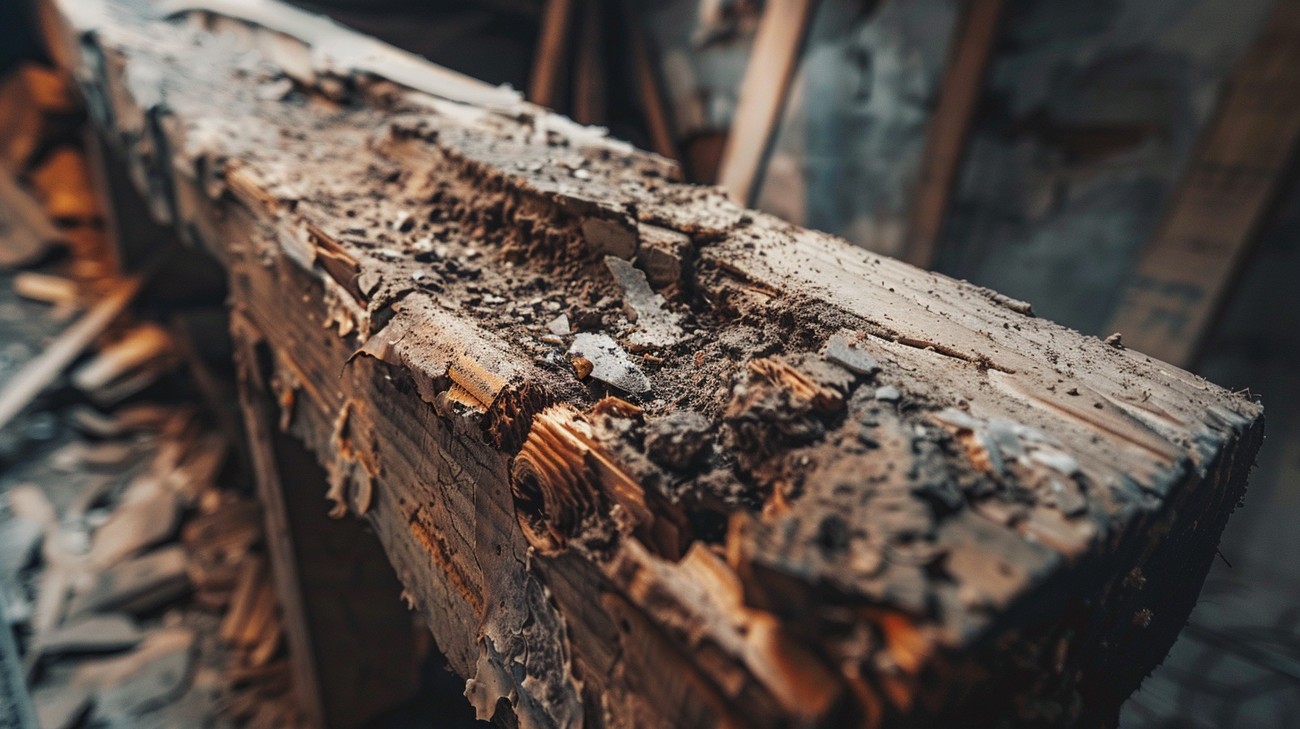
Cracking: Wood affected by dry rot often exhibits cracked or sunken features. The timber may appear brittle and can crumble easily upon touch.
Advanced Dry Rot Indicators
Once established, dry rot can spread quickly, sometimes going unnoticed until significant damage has already occurred. Here are advanced signs that indicate a more severe infestation:
Spore Dust: Look for fine orange-brown dust. These are fungal spores, often found around affected areas.
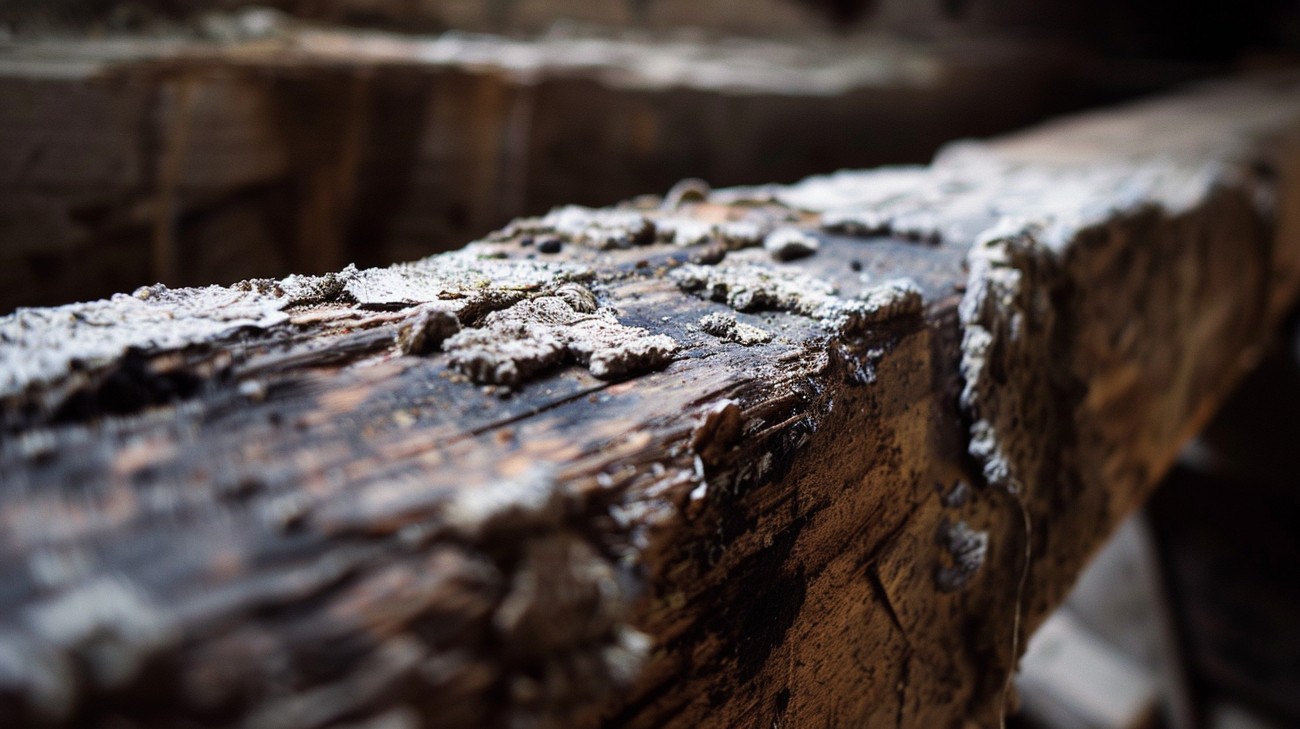
Mycelium Growth: This is a fluffy white or grey cotton wool-like growth found on the wood or nearby surfaces.
Fruit Body Formation: Often appearing as mushroom-like growths, fruit bodies can indicate an advanced stage of dry rot. They release spores and often have a distinctive rusty red color with an outer white edge.
Areas Prone to Dry Rot
Understanding where dry rot is most likely to occur will help you monitor high-risk areas more effectively. Key locations include:
Basements and Cellars: Due to their low light and high humidity, basements are highly prone to dry rot.
Attics and Loft Spaces: Roof leaks can facilitate the perfect environment for dry rot.
Bathroom and Kitchen Areas: Hidden plumbing leaks often lead to undetected dry rot growth.
Old Wooden Buildings: Historic properties with aging timber are particularly susceptible to dry rot.
Dry Rot Inspection Checklist
Regular inspections can prevent small problems from becoming larger, costly repairs. Use this checklist to ensure a thorough inspection of your property:
- ✔️ Check all woodwork, especially in high-moisture areas.
- ✔️ Look for cracked and discolored paint or wallpaper on walls, as they might conceal affected timber.
- ✔️ Examine floorboards and skirting for signs of movement or bounce.
- ✔️ Use a moisture meter, if possible, to measure the moisture content in the wood.
How to Treat Dry Rot
Upon discovering dry rot, immediate action is required. Here are some steps to consider for treatment:
Identify and Eliminate Source of Moisture: All moisture sources must be addressed. Repair leaks, improve ventilation, and reduce humidity.
Remove Affected Wood: Severely infected wood must be removed and replaced to prevent further spread.
Chemical Treatments: Use fungicidal spray solutions specifically designed to kill dry rot fungi in remaining wood.
Professional Assessment: In cases of extensive damage, it's advisable to seek the help of professionals who can accurately assess and treat the issue.
Preventing Future Dry Rot Issues
Prevention is undoubtedly better than cure when it comes to dry rot. Consider these proactive strategies:
Improve Ventilation: Proper air circulation is vital. Install air bricks and vents where necessary to facilitate better airflow.
Maintain Good Drainage: Ensure gutters and downspouts are clear and that water is not pooling around the foundation.
Regular Inspections: Conduct regular checks, especially after long periods of rain or storms, to detect any changes early.
Use Treated Timber: When building or renovating, consider using pre-treated timber that is resistant to fungal growth.
Frequently Asked Questions About Dry Rot Signs
How can I identify dry rot in my home?
Detecting dry rot signs involves a keen eye for detail. Look out for discolored patches on wood, typically brown or white, that appear brittle and break easily. You might also notice fine, silky strands or a cotton-like texture on the surface. A musty odor often accompanies these visual signs of dry rot, signaling fungal growth thriving in damp conditions. Check for these indicators in less visible areas like basements, attics, or any place where wood meets masonry.
Why does wood develop dry rot?
Wood succumbs to dry rot when exposed to specific fungi, which thrive in moist environments. These fungi consume and weaken the wood structure, leading to decay. The combination of moisture, lack of ventilation, and warmth creates the perfect breeding ground for dry rot. Recognizing early dry rot indicators, such as spongy timber or an earthy smell, can help prevent extensive damage.
What does dry rot smell like?
One of the unmistakable dry rot symptoms is its distinct musty odor reminiscent of earthy, decaying plant material. This smell indicates that the fungi responsible for dry rot are active and decomposing the wood. If you notice a persistent damp or moldy odor without any visible signs, it might be worthwhile to inspect hidden areas, such as crawl spaces, for early stages of dry rot.
Can dry rot spread to other materials besides wood?
Yes, while dry rot primarily targets wood, it can also spread via spores and affect other cellulose-based materials, like paper or certain types of insulation. However, these spores do not actively decay non-cellulose materials, such as brick or concrete. These materials can, however, act as conduits, allowing the fungi to access other wooden structures.
Is dry rot dangerous to my health?
Although dry rot itself is not toxic, the environment in which it thrives often harbors mold and fungi, which can pose health risks. Mold spores released into the air may cause respiratory issues, allergies, or exacerbate asthma conditions. Identifying and remedying dry rot signs early on minimizes these health risks and preserves the structural integrity of your home.
What should I do if I find dry rot signs in my property?
Upon discovering dry rot indicators, such as cracking or shriveled wood and a musty odor, assess the affected area's extent. Limit exposure by sealing off the area and improving ventilation. Consulting a professional is advisable, as they offer a precise diagnosis and recommend effective treatment options, like fungicide application or replacing damaged wood.
How quickly does dry rot spread?
Dry rot can proliferate swiftly under conducive conditions. The factors accelerating dry rot spread include persistent moisture, warm temperatures, and poor ventilation. Once the fungi are active, they can extend to new wood within weeks, albeit at a slower rate than other types of fungi. Monitoring for dry rot warning signs early in the process enables timely intervention and limits structural damage.
Are there non-invasive ways to detect dry rot?
Yes, there are several non-invasive techniques to detect dry rot signs without dismantling structures. Moisture meters can assess hidden dampness levels in walls or wood. Infrared cameras provide thermal imaging to spot temperature anomalies often associated with damp areas. These tools, coupled with professional inspections, can effectively identify concealed dry rot problems before they become extensive.
Can environmental changes help prevent dry rot?
Absolutely, altering environmental conditions can prevent dry rot signs from developing. Keeping areas well-ventilated and maintaining low humidity levels are effective preventative measures. Regularly inspect and repair leaks or dampness in your home. Ensuring that gutters are clear and directing rainwater away from foundations can also deter dry rot fungi from thriving.
What types of wood are most susceptible to dry rot?
Softwoods, like pine, cedar, and fir, are more prone to dry rot, particularly when untreated or inadequately maintained. These woods have a higher moisture absorption rate, making them ideal for fungal growth, especially in humid conditions. Using pressure-treated or naturally resilient woods like oak or teak, along with regular maintenance, reduces susceptibility to dry rot.
Troubleshooting Guide
1. Crumbling Wood
Symptoms:
Check for wood that easily crumbles or flakes away at the touch. It may also have a dry, powdery texture.
Likely Causes: Crumbling wood is often due to prolonged exposure to moisture, which leads to fungal growth that degrades wood fibers.
Step-by-Step Fixes:
- Remove affected wood using a chisel or saw to ensure all degraded portions are gone.
- Treat the surrounding area with a fungicide to kill remaining spores.
- Replace with pressure-treated wood for enhanced resistance.
- Seal with a waterproof sealant for additional protection.
When to Call a Professional: If the dry rot is widespread or in structural components like beams, hiring a professional is crucial to ensuring safety and structural integrity.
Prevention Tips: Maintain a dry environment by improving ventilation and repairing leaks quickly. Seal wood surfaces to prevent moisture absorption.
2. Discolored Surface
Symptoms:
Notice irregular color patterns, typically yellow, brown, or white patches on the wood surface.
Likely Causes: This discoloration is generally due to fungal growth that metabolizes certain components within the wood, leading to color changes.
Step-by-Step Fixes:
- Lightly sand the affected area to determine the extent of the discoloration.
- Apply a fungicide solution generously over the affected area.
- Repaint or re-seal after the fungicide has dried to restore appearance.
When to Call a Professional: If sanding reveals deep decay, you will need professional intervention to prevent further damage.
Prevention Tips: Regularly inspect for leaks or areas of poor drainage that can contribute to moisture buildup. Ensure adequate ventilation in enclosed spaces.
3. Musty Odor
Symptoms:
Detect a persistent, damp, and earthy smell that lingers around particular areas of your home or building.
Likely Causes: The musty odor is typically a sign of fungal decay taking place due to trapped or excess moisture.
Step-by-Step Fixes:
- Locate the source of the odor by inspecting areas with potential water exposure.
- Ventilate the area thoroughly to dissipate trapped moisture.
- Use a dehumidifier to help maintain low humidity levels.
- Apply a borate-based fungicide to prevent further fungal growth.
When to Call a Professional: Call a professional if the odor persists despite treating visible dry rot or if you are unable to locate the moisture's source.
Prevention Tips: Install and regularly maintain a dehumidifier, especially in basements or crawl spaces prone to dampness.
4. Brittle Wood
Symptoms:
Notice that wood breaks or snaps instead of bending slightly when pressure is applied.
Likely Causes: Affected by fungi that consume cellulose, the wood loses its natural flexibility.
Step-by-Step Fixes:
- Carefully remove and replace affected wood to prevent further damage.
- Treat adjacent wood with wood hardeners to strengthen weakened areas.
- Provide extra support to surrounding structures to mitigate potential collapse.
When to Call a Professional: If the brittle wood is part of your structural support, such as floor joists or roof rafters, ensure professional inspection and repair.
Prevention Tips: Regular maintenance schedules for structural components can nip potential issues early, preventing brittleness.
5. Surface Cracks
Symptoms:
Look for shallow cracks that form cross-grain patterns on the wood surface.
Likely Causes: These cracks occur due to excessive drying and shrinking of wood following moisture exposure.
Step-by-Step Fixes:
- Fill cracks using high-quality wood filler and sand smooth once dry.
- Seal the filled areas with exterior-grade paint or sealant to prevent water ingress.
- Inspect for nearby water sources that can be remedied to prevent future cracking.
When to Call a Professional: Large areas with concentrated cracking, especially in load-bearing areas, warrant a professional's expertise to ensure comprehensive repair.
Prevention Tips: Regular sealing and painting of wooden surfaces can significantly reduce the risk of surface cracks.
6. Distorted Wood Shape
Symptoms:
Observe changes like warping, bowing, or cupping in wooden components, indicating dry rot presence.
Likely Causes: Moisture absorption causes wood to expand and warp. When the absorbed moisture evaporates unevenly, it leads to distortion.
Step-by-Step Fixes:
- Remove warped wood panels and allow them to dry thoroughly.
- Replace if drying does not return the wood to its original shape.
- Enhance waterproofing in areas prone to exposure.
When to Call a Professional: Professionals should be consulted if the distortion impacts function or safety, such as in foundation walls or bearing devices.
Prevention Tips: Implement moisture controls like proper drainage systems and ensure your gutters and downspouts direct water well away from wood structures.
7. Fungus Growth
Symptoms:
Visible presence of fungal growth such as mycelium or spore dusting on the wood surface.
Likely Causes: Result from untreated moisture ingress facilitating an ideal environment for fungal proliferation.
Step-by-Step Fixes:
When to Call a Professional:
Persistent or extensive fungal coverage needs professional evaluation to find and eliminate the root cause.
Final Thoughts
Being aware of the dry rot signs in your home can save you from costly repairs down the road. Remember that early detection is key; keep an eye out for discoloration, a musty smell, or soft, crumbly wood. If you live in Seattle, WA, with its unique climate, knowing these signs is especially important to maintain your home's integrity and value.
If you suspect your home might be dealing with dry rot, don’t hesitate to reach out to us at GotRot. We’re here to help you with expert assessments and solutions tailored to your needs. Let’s work together to keep your home safe and sound!


