
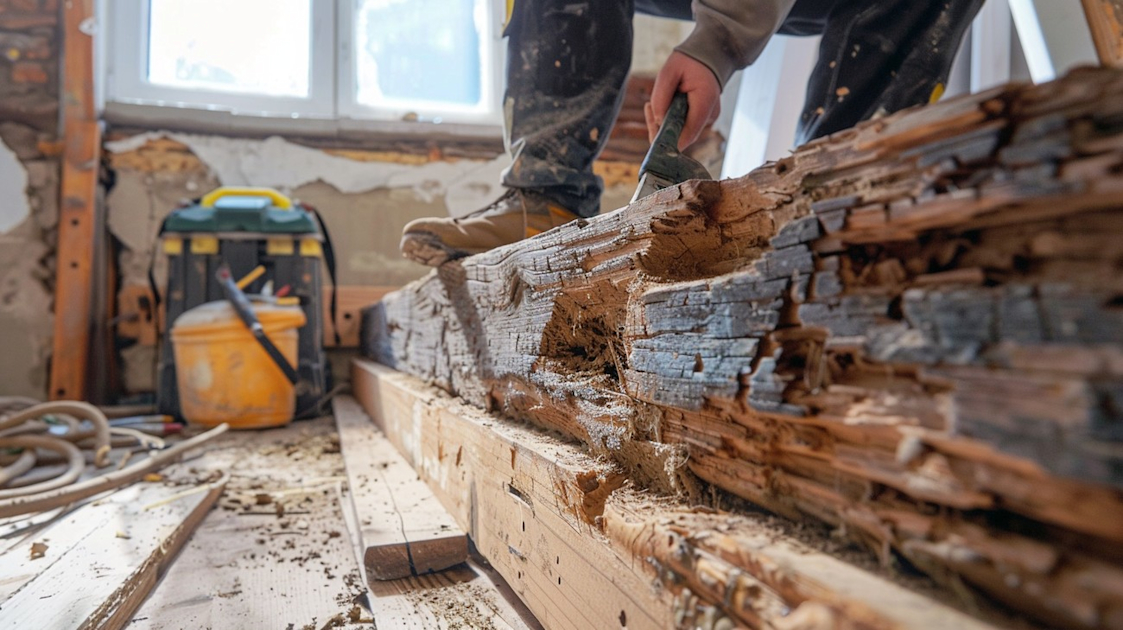


When homeowners hear the term "dry rot," unease often follows. This silent and sometimes insidious issue can compromise the structural integrity of your property, leading to costly repairs if left unchecked. This article offers a comprehensive guide on dry rot costs, ensuring you're well-equipped with the information you need to tackle this problem efficiently.
What Is Dry Rot?
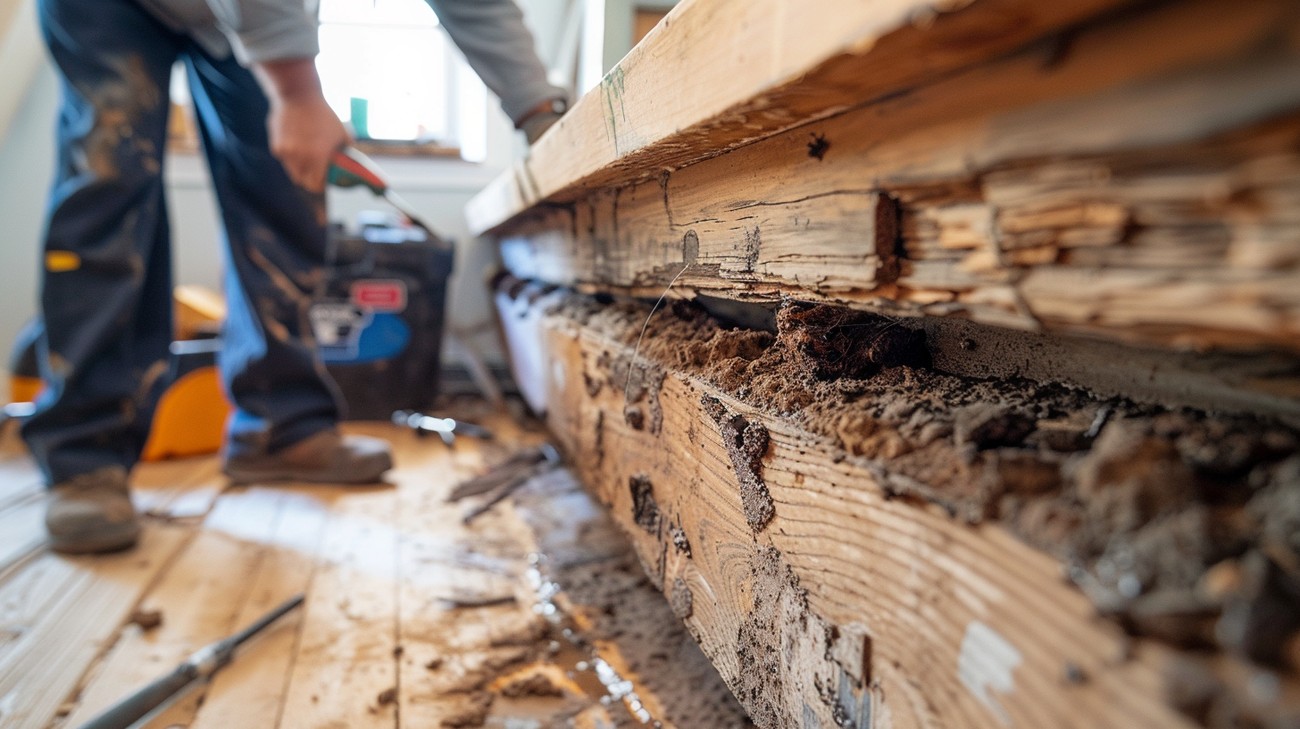
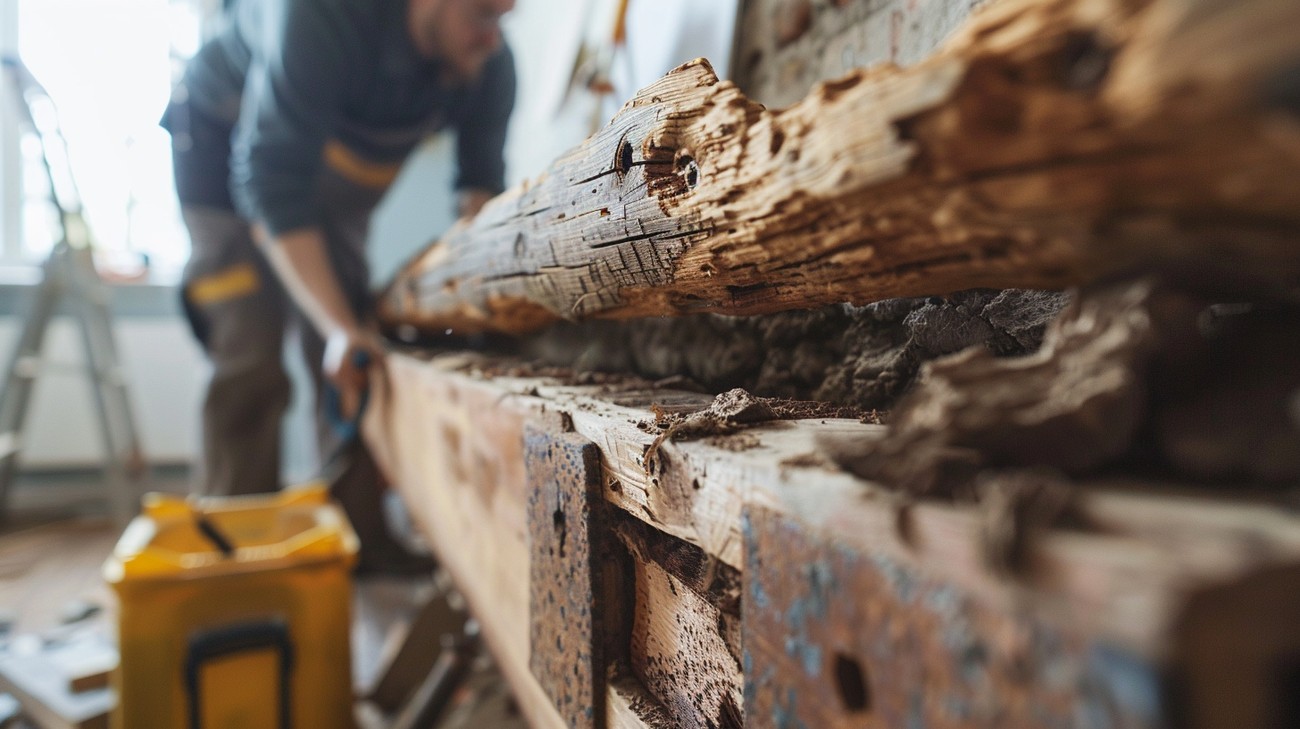
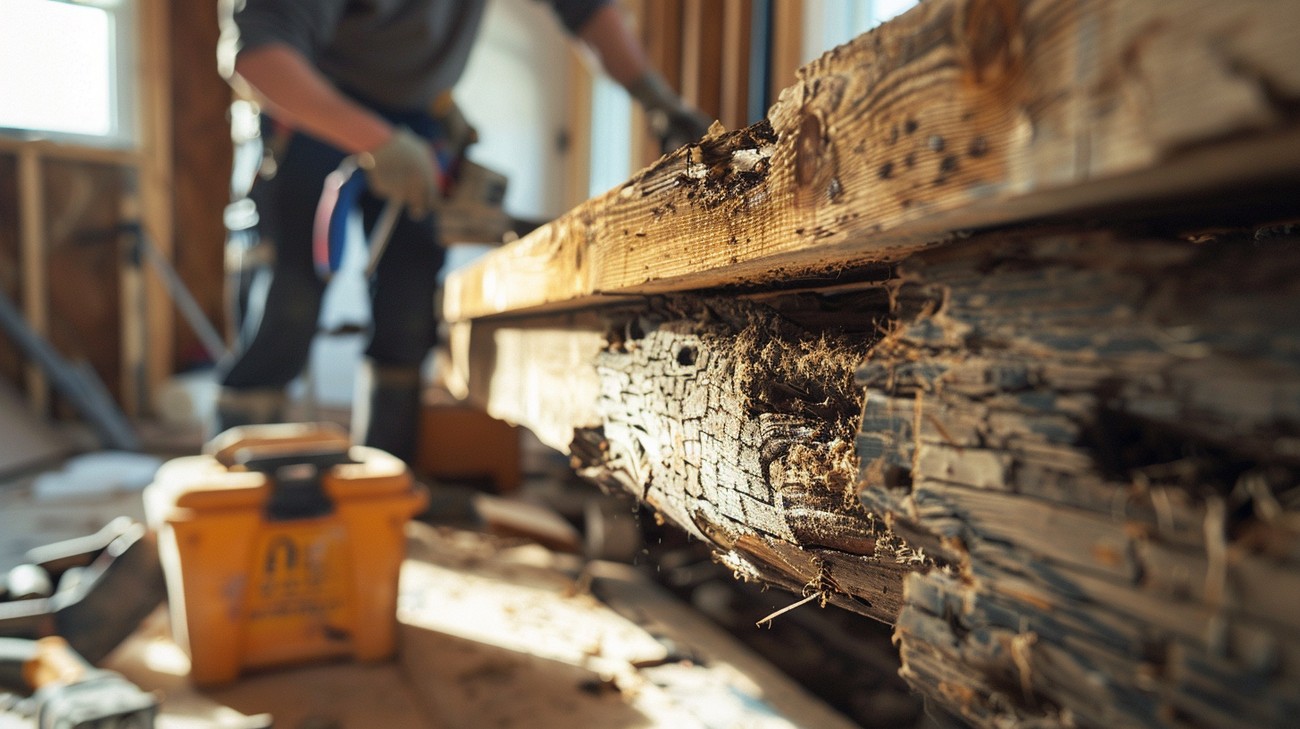
Dry rot, scientifically known as Serpula Lacrymans, is a type of fungus that affects wood. Unlike its name suggests, dry rot does not require dry conditions to develop. It thrives in damp and poorly ventilated areas, often feasting on the cellulose found in wood. This can result in significant structural damage to homes if not addressed promptly.
Signs of Dry Rot
Recognizing the symptoms early can save you from more extensive damage. Look out for the following indicators:
- Wood Shrinkage: A clear indication that wood is losing its integrity.
- Fungal Growth: Noticeable white or gray mycelium on surfaces.
- Musty Smell: A distinct odor often accompanies dry rot.
- Cracked Exterior: Wood may exhibit a cuboidal cracking pattern.
Understanding these signs can help you take proactive measures before costs escalate.
Factors Affecting Dry Rot Costs
Several variables can influence the cost of dealing with dry rot. These include:
- Extent of Damage: Smaller areas might cost less compared to widespread infestations.
- Location: Dry rot in hard-to-reach places or within structural elements can drive up repair costs.
- Labor Costs: Depending on your region, labor costs can vary significantly.
- Material Costs: Prices for quality replacement wood can fluctuate based on market conditions.
Calculating Dry Rot Repair Costs
Although it’s tough to pin down an exact figure without assessing the damage, we can estimate a general range:
- Inspection and Assessment: Professional inspections typically range from $200 to $500.
- Minor Repairs: Repairs for small, localized issues may cost between $250 and $750.
- Moderate to Severe Repairs: Removal and replacement of larger sections can range from $1,000 to $5,000 or more.
The wide range reflects the importance of prompt detection and intervention to minimize expenses.
Cost Breakdown: Dry Rot Repairs
For clarity, here's a brief breakdown of typical expenses associated with dry rot repairs:
- Material Costs: Typically constitute 50-60% of the overall cost.
- Labor: Accounts for around 30-40% of expenses.
- Additional Costs: Permits, disposal fees, and follow-up inspections can add extra charges.
Preventative Measures: Saving On Costs
Why not prevent dry rot from occurring in the first place? Here are some proactive strategies:
- Ensure Proper Ventilation: Keep areas like basements and attics well ventilated to prevent moisture build-up.
- Address Leaks Promptly: Fix leaks in roofs, walls, or plumbing as soon as they occur.
- Regular Inspections: Conduct regular checks to catch potential issues before they worsen.
Implementing these precautions can save significant amounts of money in the long run.
Choosing the Right Contractor
Hiring a qualified contractor is crucial for effective dry rot repair. Here's what to look for:
- Experience: Choose contractors with a track record in dry rot repair and restoration.
- References: Check their previous work and ask for client testimonies.
- Insurance: Verify they have up-to-date insurance to cover any liabilities.
When you have the right professional on your side, resolving dry rot issues becomes a smoother process.
Frequently Asked Questions About Dry Rot Cost
What factors influence the cost of repairing dry rot?
Repairing dry rot can be influenced by several factors, each contributing to the overall expenses. The most significant factors include the extent of the rot damage, the type of materials affected, and the specific location within the structure. Larger areas of damage generally lead to higher costs due to more labor and materials being needed. Additionally, if critical structural components or hard-to-reach places are affected, this can increase costs due to the complexity of repairs. The choice of repair materials and labor rates in your local area will also impact the final dry rot repair cost.
How does the size of the affected area impact the dry rot repair cost?
The size of the affected area is directly proportional to the dry rot repair cost. Small patches of rot can often be treated and repaired with minimal time and materials, keeping costs lower. Conversely, larger areas require more extensive work, including potential structural reinforcement and increased labor time. The costs escalate as the square footage of the affected area grows, highlighting the importance of addressing dry rot early to prevent widespread damage and higher repair expenses.
Are there long-term savings associated with a higher upfront dry rot treatment cost?
Yes, investing in a comprehensive dry rot treatment upfront can result in significant long-term savings. While initial repair and treatment costs might be higher, addressing dry rot thoroughly reduces the likelihood of recurring issues and the need for further repairs down the line. Quality materials and expert labor ensure that the treated areas remain intact for longer periods, preventing future damage and more expensive repairs, ultimately proving to be a cost-effective strategy over time.
How do local labor rates affect dry rot cost?
Local labor rates can have a significant impact on the overall cost of dry rot repairs. In areas with higher living costs, labor rates are typically higher, leading to increased repair expenses. Conversely, regions with lower labor costs can offer more affordable repair services. It is beneficial to obtain multiple quotes from local contractors to compare rates and services, ensuring that you receive the most competitive pricing for dry rot repairs in your area.
Does homeowners insurance typically cover dry rot repair costs?
Homeowners insurance policies generally do not cover dry rot repair costs, as dry rot is often considered a maintenance issue resulting from neglect or improper care of the property. However, if the dry rot is a consequence of a covered peril, such as a burst pipe causing water damage leading to dry rot, the insurance might cover it. It is essential to review your policy and discuss with your insurance agent to understand the specific coverage and whether exceptions apply to your situation.
How do material choices influence the cost of fixing dry rot?
Choosing materials for dry rot repairs significantly impacts the overall cost. High-quality, durable materials tend to have higher upfront costs but offer increased longevity, minimizing future repairs. Cheaper materials might lower initial expenses but could lead to more frequent repairs, raising long-term costs. It's crucial to balance quality and budget by selecting materials that provide the necessary durability without exceeding financial limitations. Consulting with a professional can help guide the best choices for materials within your budget.
Can preventative treatments help reduce future dry rot costs?
Preventative treatments are essential in reducing future dry rot costs. Applying protective finishes or coatings to wood surfaces, ensuring proper ventilation, and maintaining low humidity levels can help prevent dry rot formation. Regular inspections and maintenance allow for early detection and treatment of any potential issues before they escalate into costly repairs. Investing in preventative measures can harden the structure against rot, ultimately decreasing the need for extensive future repairs and associated costs.
What is the typical cost range for dry rot inspections?
The cost range for dry rot inspections varies based on factors such as the size of the property and the region. On average, professional inspections can cost anywhere from $100 to $500. However, comprehensive inspections that cover large properties or require detailed assessments may cost more. Investing in a thorough inspection is beneficial, as early detection of dry rot can significantly reduce the overall repair expenses by enabling timely interventions. Regular inspections are a crucial step in maintaining the health of your property.
Cost Breakdown
Typical Price Ranges
The cost of repairing dry rot varies considerably based on the extent and location of the damage. Generally, homeowners can expect to pay between $500 and $1,500 for minor repairs, which might involve extracting and replacing small affected areas. For more extensive damage, particularly when structural wood is involved, costs can climb substantially, hovering between $2,500 and $7,000 or more. If entire sections of a house require replacement, the bill could reach upwards of $10,000. It's crucial to remember that these figures can fluctuate based on your regional market and the company you choose.
Factors That Affect Cost
Several factors can influence dry rot repair costs. The extent of the damage is the most significant factor—with deeper and more pervasive rot requiring more extensive labor and materials. The location of the dry rot also affects costs; for instance, addressing dry rot in a basement or attic might require additional considerations for moisture prevention and insulation, thus increasing labor and material needs. The type of wood and the complexity of the structure (e.g., ornate woodwork or complex joints) also contribute to higher costs.
Cost Comparison (Budget vs. Premium Options)
When it comes to dry rot repair, you have budget and premium options to consider. Budget-friendly solutions often involve using basic materials and simpler repair techniques. This might be suitable for minor dry rot issues where aesthetics are not a primary concern, with costs typically remaining in the lower $500 to $1,000 range. On the other hand, premium options could involve using high-quality materials, like naturally rot-resistant woods or specialized rot inhibitors, and might include intricate restorative work that preserves the home's original style and structure. This can push expenses above the $5,000 mark, particularly for customized or historic homes that require specialized skills and materials.
Hidden Costs to Consider
Repairs often come with hidden costs that can catch homeowners off guard. One of these is the inspection fee; professional inspections to assess the extent of dry rot can cost anywhere from $200 to $500 but are essential for an accurate estimate of necessary repairs. Additionally, if the rot is far-reaching, you might find yourself needing to update related elements—such as electrical or plumbing systems that might be exposed during repairs—adding hundreds or even thousands to the overall bill. Furthermore, restoring compromised interior finishes or exterior surfaces is often a necessary and costly follow-up to structural repairs.
Ways to Save Money
Saving money on dry rot repairs starts with prevention. Installing adequate ventilation and keeping areas dry is essential, as is applying protective wood treatments regularly. If dry rot does occur, early detection can prevent minor issues from ballooning into major expenses. DIY approaches might be suitable for minor sanding and treating small, accessible areas using inexpensive borate solutions. However, consulting with professionals for a thorough inspection before taking action ensures you aren’t overlooking deeper issues.
Final Thoughts
Understanding the dry rot cost is crucial for homeowners who want to protect their investment and maintain their property's structural integrity. The earlier you address any issues related to dry rot, the less expensive and invasive the repairs will be. It's vital to stay vigilant, especially here in Seattle, WA, where the moist climate can create perfect conditions for this type of damage to develop.
If you suspect dry rot in your home or just want to ensure everything is in tip-top shape, we invite you to reach out to us at GotRot. Our team of local experts is ready to provide you with a thorough inspection and a clear estimate so you can make informed decisions about your home maintenance. Don't wait until it becomes a bigger problem—contact us today to schedule your consultation!


