
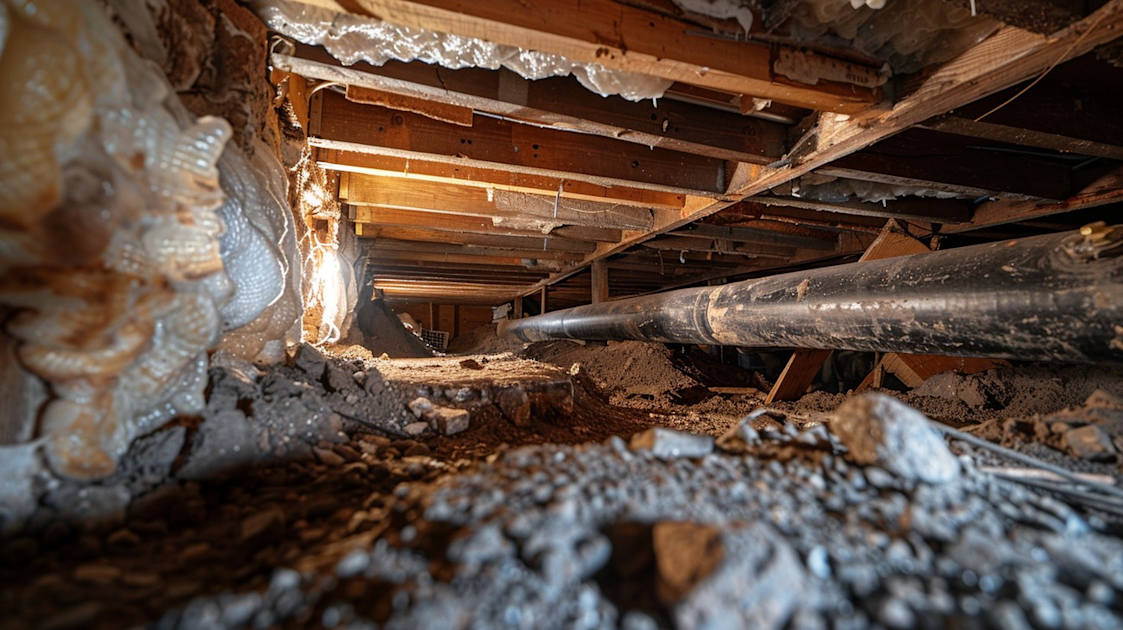


Crawl spaces, often out of sight and out of mind, play a crucial role in the structural integrity of a home. Often used as a buffer between the house and the ground, these spaces can suffer from various types of damage that, if left unmanaged, could escalate into larger issues. In this guide, we'll explore what crawl space damage entails, the causes, prevention tips, and effective repair strategies.
What is Crawl Space Damage?
Crawl space damage encompasses any harm that occurs within the crawl space area of a home. This could involve structural issues, moisture problems, pest infestations, and more. The crawl space is integral to the home's ventilation, plumbing, and overall health of the foundation, making it essential to maintain its condition.
Common Causes of Crawl Space Damage
Understanding the potential causes is crucial in preventing damage. Here are some typical causes of crawl space damage:
- Moisture Intrusion: Water infiltration from rain, plumbing leaks, or groundwater can lead to mold growth, wood rot, and structural weakening.
- Poor Ventilation: Inadequate air flow can trap moisture inside the crawl space, exacerbating humidity issues.
- Pest Infestations: Rodents, termites, and other pests can find their way into these spaces, causing physical damage and health hazards.
- Settling Soil: The shifting of soil under and around the foundation can compromise the structural integrity of crawl spaces.
- Improper Insulation: Lack of proper insulation invites drafts and affects the home’s heating and cooling efficiency.
Signs of Damage in Crawl Spaces
Identification of damage early on can prevent larger issues from developing. Be on the lookout for these signs:
- Visible mold or mildew
- A musty odor emanating from the floorboards
- Warped or buckling floors
- Increased pest activity
- Pools of water or dampness
- Cracks in the foundation
The Impact of Moisture in Crawl Spaces
Moisture is often a silent but significant contributor to crawl space damage. Not only does excess moisture lead to mold and mildew, but it can also exacerbate structural damage over time. Mold spores can circulate throughout a home's HVAC system, posing health risks to inhabitants. Moreover, persistent water damage could lead to wood rot and compromise the foundational elements of your home.
Effective Moisture Control Strategies
Taking the time to mitigate moisture levels can prevent future damage:
- Install a Vapor Barrier: This helps prevent moisture from seeping in from the ground.
- Ensure Proper Drainage: Grade the landscape to direct water away from the foundation.
- Dehumidification: Use a crawl space-specific dehumidifier to maintain ideal humidity levels.
- Seal All Openings: Properly seal windows, doors, and vents to keep moisture out.
Pest Infestation: A Hidden Threat
The dark and secluded nature of crawl spaces makes them ideal hiding spots for pests. Pests not only cause physical damage but can also bring in contaminants and allergens. It’s essential to be proactive in pest control to safeguard your home.
Pest Control Best Practices
- Regularly inspect the crawl space for signs of infestation.
- Install pest barriers and seal entry points.
- Maintain cleanliness by removing debris and clutter.
Structural Integrity Concerns
Over time, the structural elements of crawl spaces can degrade, leading to problems that affect the entire home. Rotting joists, rusting metal components, and breaking concrete are significant issues that require immediate attention.
Maintaining Structural Integrity
- Regular inspections by a professional can uncover early signs of structural problems.
- Reinforce joists and beams if signs of weakness are present.
- Address foundational cracks promptly to prevent further damage.
Insulation and Energy Efficiency
Proper insulation in crawl spaces is vital for maintaining energy efficiency within the home. Without it, temperature fluctuations can cause discomfort and increased energy bills. Insulation prevents heat loss and helps maintain comfortable indoor temperatures.
- Use rigid foam insulation specifically designed for crawl spaces.
- Check insulation periodically for signs of damage or wear.
Repair and Renovation Options
When damage occurs, addressing it with the right repair options is crucial. Here are several common methods for repairing crawl space damage:
- Encapsulation: Sealing the crawl space with airtight materials to prevent moisture entry.
- Foundation Repair: This may involve underpinning or replacing damaged sections to restore structural integrity.
- Replacement of Damaged Materials: This could involve replacing wood, insulation, or other materials that have been compromised.
- Waterproofing Systems: Installing sump pumps or drainage systems to handle water ingress effectively.
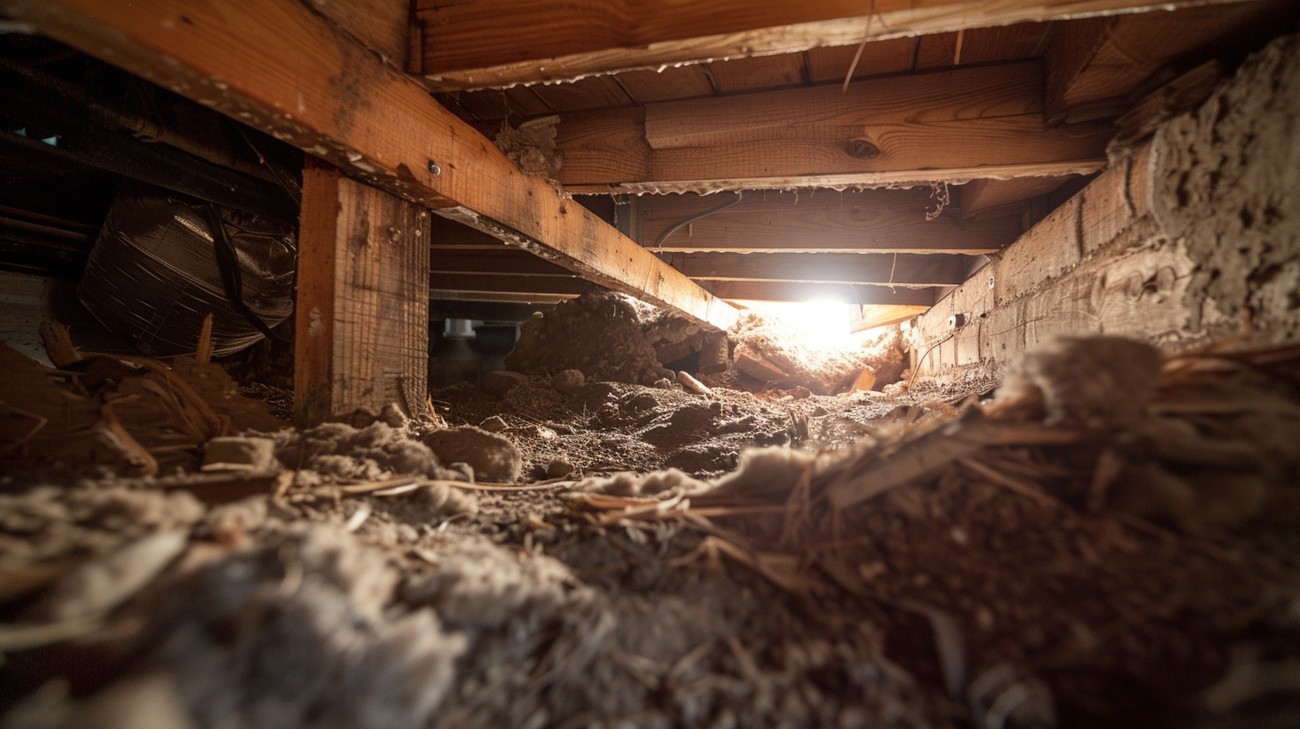
Frequently Asked Questions About Crawl Space Damage
How does moisture cause crawl space damage?
Moisture is a silent antagonist when it comes to crawl space damage. Excess moisture can accumulate for various reasons, like improper drainage, plumbing leaks, or high humidity levels. Once this moisture seeps into your crawl space, it creates a conducive environment for mold and mildew, which not only deteriorates wooden structures but also impacts indoor air quality. Over time, this can weaken your home's foundation, leading to more serious structural issues. It's essential to ensure good ventilation and install a reliable vapor barrier to prevent such damage.
What are common signs of crawl space damage?
Recognizing the early signs of crawl space damage can save you significant repairs later. Look for visible signs like sagging floors, cracks in the walls, or stuck doors and windows. You might also notice musty odors or increased allergy symptoms, which can be indicative of mold growth. Peeking into the crawl space, you might see pooling water, decaying wood, or foundation cracks. Addressing these signs promptly can help prevent further deterioration.
How can pest infestations contribute to crawl space damage?
Crawl spaces are prime real estate for pests like rodents and termites, which can exacerbate crawl space damage. These critters can gnaw through wood and insulation materials, weakening the structural integrity of your home. Termites are particularly notorious for chewing through wooden supports, leading to costly repairs. Regular inspections and proper sealing can help keep these pests from making your crawl space their home.
Why is regular maintenance important for preventing crawl space damage?
Regular maintenance is your first line of defense against crawl space damage. By frequently inspecting your crawl space for any potential problems, you can catch and address issues before they escalate. This includes checking for cracks, ensuring proper ventilation, fixing leaks, and cleaning out debris. Proactively managing these aspects helps maintain the health of your crawl space and, by extension, the overall stability of your home.
Can improper insulation lead to crawl space damage?
Yes, improper insulation can indeed lead to crawl space damage. Without adequate insulation, crawl spaces can lose energy efficiency, leading to higher energy bills as your heating and cooling systems work overtime. More critically, improper or damaged insulation can allow moisture to seep into the space, fostering mold growth and wood rot. Ensuring that your crawl space is well-insulated and free of gaps will help maintain a dry and energy-efficient environment.
How does poor ventilation contribute to crawl space damage?
Poor ventilation can significantly contribute to crawl space damage by trapping moisture and stale air inside. Without proper airflow, moisture has nowhere to escape, leading to damp conditions that promote mold growth and wood decay. This can compromise the structural elements of your home and potentially affect your health. Installing vents or fans can help improve air circulation, drying out moisture, and reducing the risk of damage.
What role can structural issues play in crawl space damage?
Structural issues can be both a cause and effect of crawl space damage. Foundation settling, for instance, can create gaps and cracks in crawl spaces, which then allow moisture and pests to enter. Conversely, existing crawl space damage can lead to further structural concerns, such as uneven floors and wall cracks. Addressing foundational problems early can help prevent a domino effect of worsening damage throughout your home.
How do plumbing leaks contribute to crawl space damage?
Plumbing leaks are a common source of crawl space damage, as even a small, unnoticed leak can lead to substantial problems over time. Water from leaking pipes can saturate the soil and wood beneath your home, promoting mold growth and structural deterioration. Regularly inspecting plumbing fixtures and pipes in your crawl space can help identify and fix leaks early, preserving the integrity of your home’s foundation.
Can crawl space encapsulation prevent damage?
Crawl space encapsulation can be a highly effective method to prevent crawl space damage. By sealing off the crawl space with a heavy-duty polyethylene barrier, you isolate the space from external moisture, reduce humidity levels, and improve overall air quality. Additionally, encapsulation often involves adding a dehumidifier and improving drainage, creating a dry, stable environment that can resist the problems associated with crawl space damage.
What professional services are available to repair crawl space damage?
If you're facing crawl space damage, many professional services can help restore your space. These include foundation repair specialists, mold remediation experts, pest control services, and waterproofing companies. They can evaluate the extent of the damage, propose comprehensive repair plans, and implement solutions like installing vapor barriers, dehumidifiers, and proper drainage systems. Hiring professionals ensures that repairs are done thoroughly and effectively, safeguarding your home against future issues.
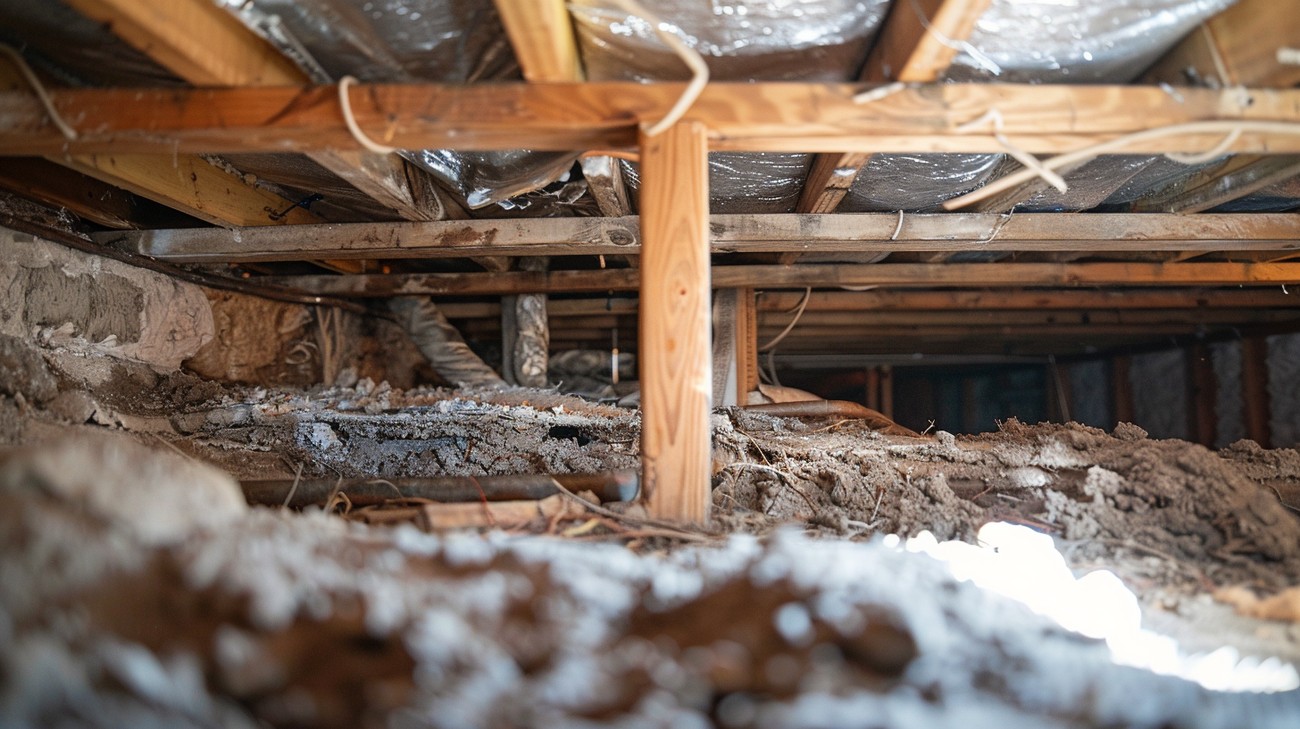
Troubleshooting Guide
1. Water Accumulation
Symptoms: Standing water or excessive moisture in the crawl space, mold growth, unpleasant odors, and increased indoor humidity levels.
Likely Causes: Poor drainage, leaking pipes, heavy rainfall, or high water table.
Step-by-Step Fixes:
- Inspect and Repair Leaks: Check for leaking pipes or fixtures and repair them immediately.
- Improve Drainage: Enhance the grading around your home to direct water away from the foundation.
- Install a Sump Pump: Utilize a sump pump to remove accumulated water efficiently.
- Seal Foundation Cracks: Use sealant to fill any visible foundation cracks to prevent water entry.
When to Call a Professional: If water accumulation persists despite these measures or if you suspect structural damage.
Prevention Tips: Regularly inspect gutters and downspouts, install a vapor barrier, and ensure proper land grading.
2. Pest Infestation
Symptoms: Presence of droppings, gnawed materials, nests, or actual sightings of pests like rodents or insects.
Likely Causes: Easy access points, food sources, or high moisture levels attracting pests.
Step-by-Step Fixes:
- Seal Entry Points: Block gaps and openings with steel wool or caulk.
- Remove Food Sources: Keep the area clean and free of food waste.
- Set Traps: Use traps to catch pests, and consider natural repellents like peppermint oil.
When to Call a Professional: For severe infestations or dealing with hazardous pests like termites.
Prevention Tips: Regular inspections, maintaining a clean crawl space, and using pest repellents.
3. Sagging Floors
Symptoms: Uneven or bouncy floors inside the home.
Likely Causes: Settling or rotted joists, insufficient support, or inadequate structural design.
Step-by-Step Fixes:
- Inspect Joists and Supports: Check for rotting or sagging joists.
- Add Support: Use jacks to temporarily support and reinforce weak areas.
- Replace or Repair Joists: Depending on the extent of damage, repair or replace the affected joists.
When to Call a Professional: When structural repairs are beyond basic carpentry skills or involve extensive damage.
Prevention Tips: Regularly check for moisture and promptly resolve leaks and drainage problems.
4. Mold and Mildew
Symptoms: Musty odors, visible black, white, or green patches, and allergic reactions like sneezing or coughing.
Likely Causes: High humidity, leaks, or poor ventilation.
Step-by-Step Fixes:
- Reduce Humidity: Use a dehumidifier to maintain the crawl space under 60% humidity.
- Clean Mold: Use a mold cleaner or a bleach solution to scrub affected areas. Always wear protective gear.
- Improve Ventilation: Install proper vents or fans to enhance airflow.
When to Call a Professional: For widespread mold or if it returns after treatment.
Prevention Tips: Maintain good airflow, fix leaks promptly, and use moisture barriers.
5. Foundation Cracks
Symptoms: Visible cracks in the crawl space walls or foundation, sticking doors/windows, or uneven floors.
Likely Causes: Settling soil, expansive clay soil, or water damage.
Step-by-Step Fixes:
- Assess Crack Severity: Use a pencil to outline cracks and monitor for growth over time.
- Seal Small Cracks: Use epoxy or polyurethane sealants for minor cracks.
- Install Drainage Solutions: Improve drainage around the foundation to prevent water build-up.
When to Call a Professional: For large or widening cracks, or if there are signs of structural shift or compromise.
Prevention Tips: Maintain consistent soil moisture around the foundation and ensure proper drainage.
6. Poor Insulation
Symptoms: Cold floors, drafts, or high energy bills.
Likely Causes: Missing, damaged, or inadequate insulation material.
Step-by-Step Fixes:
- Identify Insulation Needs: Check for gaps or deterioration in existing insulation.
- Install New Insulation: Use rigid foam boards or spray foam for effective coverage.
- Seal Air Leaks: Block drafts with caulk or weather stripping around openings.
When to Call a Professional: If unsure about insulation types or for labor-intensive installation.
Prevention Tips: Regularly inspect and maintain insulation and consider using vapor barriers.
7. Structural Damage
Symptoms: Cracked walls, misaligned doors/windows, or evident damage to support beams.
Likely Causes: Prolonged water damage, pest activity, or natural settling.
Step-by-Step Fixes: When to Call a Professional: For any structural concerns or complex repairs.
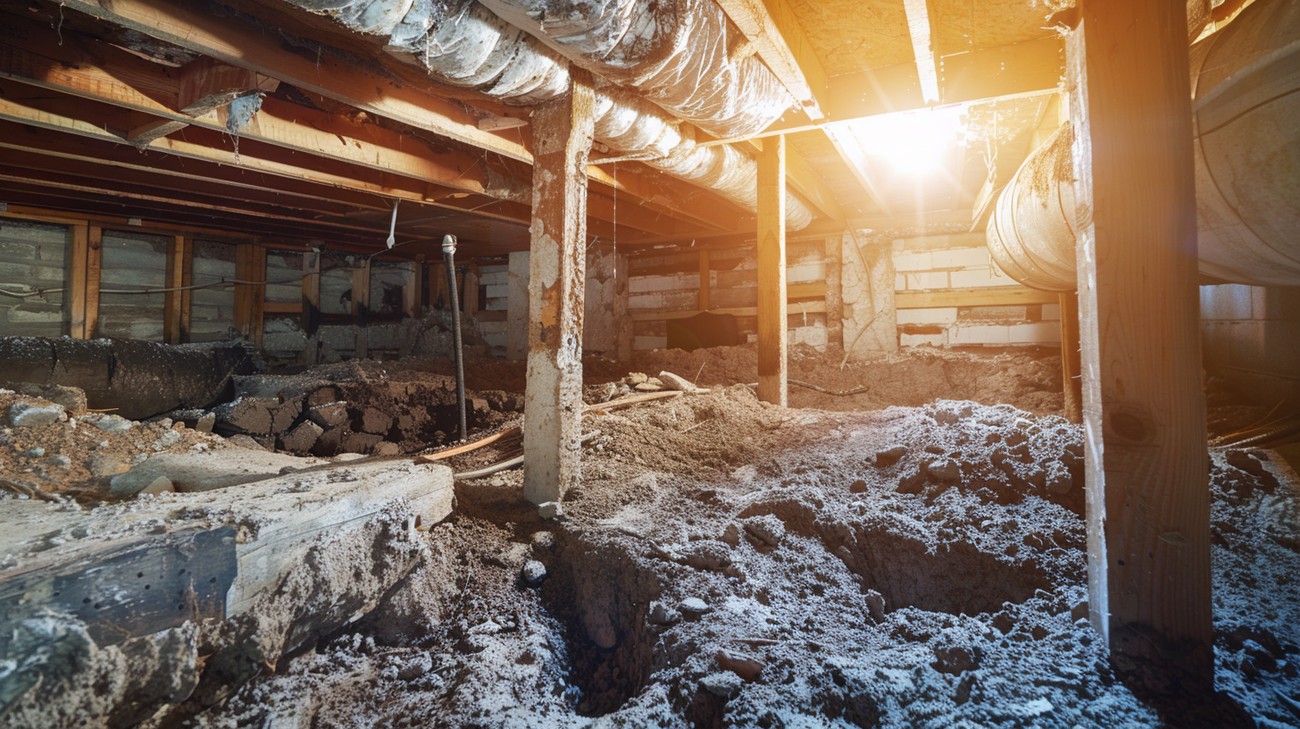
Common Mistakes to Avoid
1. Ignoring Moisture Issues
Why it happens: Many homeowners overlook or underestimate the impact of humidity and standing water on crawl space health. This often occurs due to lack of awareness or the assumption that it won't cause significant damage.
How to avoid it: Regularly inspect your crawl space for any signs of moisture, including damp surfaces, water pooling, or musty odors. Install a dehumidifier and ensure good ventilation to control humidity levels. Waterproofing the crawl space area and installing a vapor barrier can also help.
What to do if you've already made the mistake: If moisture problems are evident, start by drying the area with fans and dehumidifiers. Then, address any underlying issues such as leaks or improper drainage. Consulting a professional to assess and resolve the problem can ensure it’s handled correctly.
Expert recommendations: Experts suggest maintaining your home's gutters and drainage systems to keep excess water away from the foundation. They also recommend routinely checking for leaks or pooling water, especially after heavy rains.
2. Neglecting Pest Control
Why it happens: Homeowners often overlook crawl spaces when managing pest control, thinking these areas are less prone to infestations. The assumption that it's just a minor issue can lead to neglect.
How to avoid it: Seal any gaps and openings that might permit pests entry. Use mesh or other barricades to block access, and eliminate any moisture that could attract insects and rodents.
What to do if you've already made the mistake: If pests have already settled in your crawl space, hiring a professional pest control service is recommended. They can remove the infestation and advise on preventive measures to keep pests away in the future.
Expert recommendations: Pest control professionals urge regular inspections of your crawl space for droppings, nests, or other signs of pests, especially if you live in an area prone to specific infestations.
3. Overlooking Insulation Needs
Why it happens: Many believe crawl spaces are not affected by temperature fluctuations as significantly as other parts of the house, leading to insulation neglect.
How to avoid it: Properly insulating your crawl space is key to maintaining thermal efficiency in your home. Use moisture-resistant insulation material, and ensure it's installed correctly to prevent energy loss.
What to do if you've already made the mistake: If you notice high energy bills or uneven home temperatures, it's time to reassess your crawl space insulation. Replace outdated or damaged insulation materials and consult a professional if necessary.
Expert recommendations: Experts recommend using closed-cell spray foam insulation for its effectiveness in resisting moisture and insulating crawl spaces effectively.
4. Ignoring Structural Issues
Why it happens: Structural issues in crawl spaces are often unnoticed due to the secluded nature of these spaces, combined with a lack of regular inspection.
How to avoid it: Conduct routine inspections for sagging, cracking, or any other signs of deterioration. Address foundational problems promptly to prevent them from escalating.
What to do if you've already made the mistake: Consult a structural engineer or foundation specialist to evaluate and address any structural issues identified. Professional intervention can ensure the integrity and safety of your home.
Expert recommendations: Professionals advise making structural evaluations a part of your regular home maintenance routine, especially for older homes.
5. Failing to Regulate Airflow
Why it happens: Some homeowners close crawl space vents to preserve energy, not realizing that poor airflow can lead to mold growth and wood rot.
How to avoid it: Maintain adequate ventilation in your crawl space to prevent moisture buildup. Consider installing vent fans or air circulation systems designed for crawl spaces.
What to do if you've already made the mistake: If improper airflow has caused damage, addressing moisture control is the first step. Installing proper ventilation systems will prevent future issues.
Expert recommendations: Experts suggest using air-quality monitors to track conditions in your crawl space and recommend adjustments to ventilation as needed to maintain healthy air circulation.
6. Skipping Routine Inspections
Why it happens: Busy schedules and other priorities can lead homeowners to neglect routine inspections, missing early signs of potential damage.
How to avoid it: Set reminders to inspect your crawl space at least twice a year, ideally during spring and fall. Make a checklist of things to look for, such as moisture, pests, and structural concerns.
What to do if you've already made the mistake: If an inspection reveals damage, address problems immediately to prevent further deterioration. Document each inspection to track issues over time.
Final Thoughts
Preventing crawl space damage is all about staying proactive and vigilant. Keeping an eye on moisture levels and addressing any issues like pests or insulation problems early on can save you from costly repairs down the road. In areas like Seattle, WA, where humidity can be a challenge, ensuring your crawl space is properly maintained is essential for the health of your home.
If you suspect that your crawl space isn’t in tip-top shape, we’re here to help. At GotRot, we specialize in identifying and addressing crawl space issues to keep your home safe and sound. Don’t hesitate to reach out for a consultation or to request a free estimate—we're dedicated to serving homeowners in your area and ensuring your peace of mind.

